

























































West Seattle is getting its own slice of off-world life, and it is landing in a college hangar.
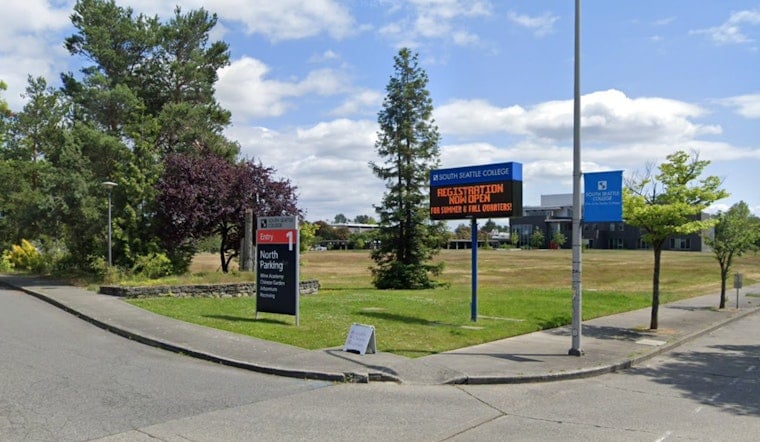
South Seattle College has signed a 10-year memorandum of agreement with the Mars Society to host a Moon- and Mars-analog research station on its West Seattle campus, with leaders targeting the start of the 2027–28 academic year for operations. The agreement pairs a physical research habitat with a joint space-studies curriculum, stackable certificates, and student capstone projects and internships aimed at building a regional aerospace workforce. This summer the Mars Society plans to install an inflatable habitat mock-up inside the college’s Aviation Maintenance Technology facilities as an early demonstration.
According to Mars Society, the memorandum, signed by South Seattle College President Dr. Monica Brown and Mars Society Executive Director James L. Burk, lets the nonprofit lease college land to build the station, contingent on funding. “Bringing that capability to an urban community college campus is something new, and it is deliberate,” Burk said in the announcement. As reported by West Seattle Blog, the agreement also outlines industry capstones and a regional workforce pipeline.
Mockup On Campus And Hands-On Training
South Seattle College’s Aviation Maintenance Technology program, which trains students for FAA-certified maintenance roles, will host the inflatable mock-up and related hands-on exercises, according to South Seattle College program materials. The partnership is structured so students can enroll in space-focused certificates and participate in capstone projects and internships tied to industry mentors. College leaders say that hands-on shop skills, from battery systems to mechanical repairs, map directly onto the technician roles the lunar and Mars initiatives will need.
Why Now: Artemis, Moon Base And Local Jobs
The timing lines up with a busy moment in national lunar planning. NASA’s Artemis II crew completed a lunar flyby in April 2026, according to NASA, and the agency’s Moon Base initiative, unveiled during its Ignition briefings this spring, has put new focus on surface operations and logistics. Per NASA, that push includes solicitations for landers, rovers and other surface systems that officials say will need technicians and field researchers. Local coverage and industry trackers, including the Puget Sound Business Journal, note the region already supports satellite manufacturing and propulsion suppliers that could hire program graduates.
Under the memorandum neither party has committed construction funds, and partners say they will pursue joint fundraising and grant strategies with industry, foundations and federal programs. According to Mars Society, any lease of college land would be contingent on securing that funding, and West Seattle Blog reports that a public event for the inflatable module is being planned this summer.
College officials have framed the project as a practical workforce investment tied to existing shop-based programs rather than a publicity stunt, and they say more specifics, including timelines, site plans and public event dates, will be released as fundraising and permitting advance. For now, West Seattle will get a literal peek at the future when the mock-up arrives on campus.





