

























































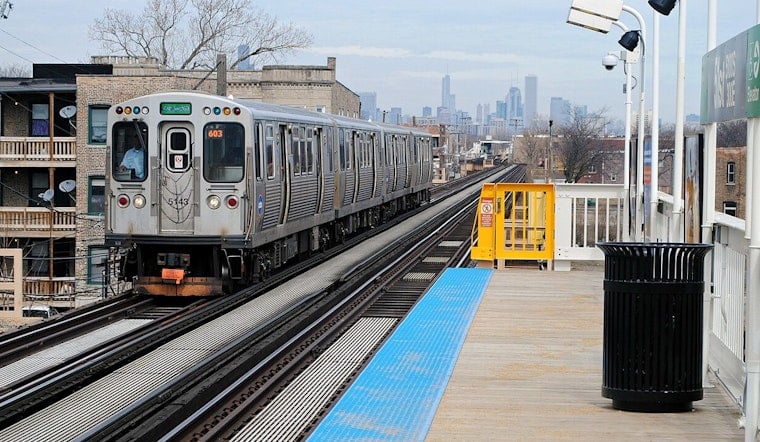
After years of crawling commutes and broken promises, the Forest Park branch of the Blue Line is finally inching toward a real rebuild. On July 8, the Chicago Transit Board signed off on engineering work for a full makeover of the troubled West Side stretch and approved a smaller but meaningful upgrade to the Division‑Austin bus turnaround.
The votes do not put shovels in the ground yet, but they do push the long‑discussed fix for slow, unreliable service out of the wish list stage and into design and engineering. For riders who have avoided the Forest Park branch because of its chronic slow zones, this is the first concrete movement in years. At the same meeting, board members also backed a modest overhaul of the bus turnaround at Division and Austin that aims to make transfers a little safer and a little less miserable.
The money and the timeline
According to the CTA, the agency has set aside $28.2 million for the design phase, while the Illinois Department of Transportation applied for and secured roughly $15.8 million in federal money to cover eligible engineering costs. Design work is expected to begin in late 2026, with an exact construction schedule to be decided after engineering is complete.
The project is billed as a full rebuild of more than 13 miles of track along the Forest Park branch, along with new drainage and traction‑power upgrades. CTA officials have acknowledged that more than 84 percent of the branch is currently under slow‑zone restrictions, which consistently bogs down service.
Small fix at Division and Austin
A separate agreement with the City of Chicago will fund improvements at the southeast corner of Division Street and Austin Boulevard. The plan calls for a new passenger canopy, sidewalk and curb repairs, upgraded windbreaks and a renovated employee restroom.
As reported by Austin Weekly News, the work will be paid for out of the Austin Commercial TIF, which is scheduled to expire in 2031. The city will reimburse CTA for up to $1.066 million in construction costs, and city officials told the outlet they expect construction to begin this fall.
What the board actually voted on
According to Streetsblog Chicago, the board approved the intergovernmental agreements in a single bundled motion. That vote also covered a purchase order for dozens of automated bus‑lane enforcement cameras and several other spending items that leaders said are intended to boost reliability across the system.
Streetsblog reported that CTA officials framed the Blue Line work as just one piece of a larger effort to tackle chronic flooding issues and aging infrastructure along the I‑290 corridor.
Officials' take
In a statement to Austin Weekly News, CTA Acting President Nora Leerhsen called the agreement “a testament to what strong partnerships can accomplish” and thanked IDOT for securing federal funds on CTA’s behalf.
Illinois Transportation Secretary Gia Biagi said the step “will ultimately make the corridor more accessible, safe and reliable for everyone who relies on it,” and credited “tremendous teamwork” for getting the project to this stage. Staff and local lawmakers also stressed that design is only the first hurdle and that winning construction funding will be a separate and competitive process.
What comes next
Planners say this design milestone matters because it lets transit and highway agencies coordinate work through the Connect 290/Blue program. Per the Chicago Metropolitan Agency for Planning, the initiative brings CTA, IDOT and local agencies to the same table so that track, drainage and station upgrades can be lined up with I‑290 rehabilitation and sequenced efficiently.
Officials are quick to note that the hardest parts are still ahead: finishing engineering, working through grant cycles and locking down the much larger pot of construction dollars that will be needed to actually rebuild the Forest Park branch and deliver the faster, more reliable service West Side riders have been waiting on.





