

























































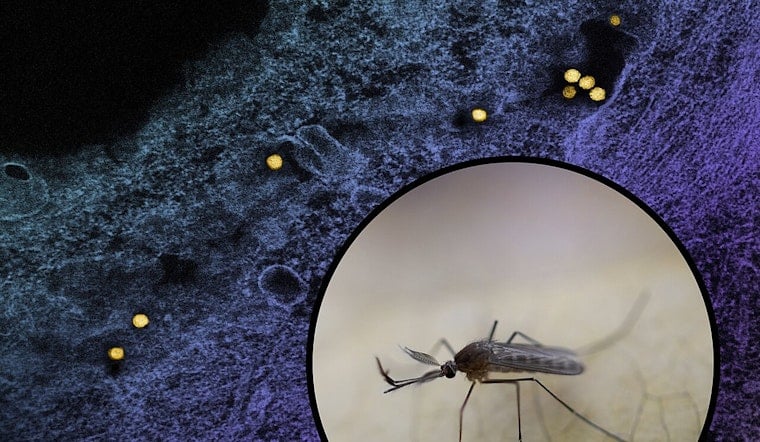
A routine mosquito trap in Yorkville has turned up Kendall County's first West Nile virus-positive batch of the season, prompting health officials to warn residents it is officially mosquito-watch time.
Local coverage reported the find on Thursday. According to Shaw Local, the infected mosquitoes came from a county surveillance trap in Yorkville and were confirmed through the county's regular testing program. The alert traces back to the Kendall County Health Department's environmental health unit. No human cases have been identified so far.
What county officials are telling residents
The Kendall County Health Department is urging residents to treat this first positive batch as a clear sign that West Nile virus is circulating locally, even though no human infections have been reported.
Officials are asking people to dump standing water around homes, repair torn window screens, and limit time outside at dawn and dusk, when mosquitoes are most active. The department also recommends long sleeves and long pants when outdoors and using an EPA-registered insect repellent.
Residents with questions can call the Environmental Health Unit at 630-553-9100 or visit the Kendall County Health Department for more information.
Where else West Nile has turned up
Health officials say Kendall County is not alone. Positive mosquito batches have already been reported this summer in several nearby northeastern Illinois counties, a pattern that local agencies say is a reminder not to let mosquito control slide just because human cases have not appeared yet.
Shaw Local reported that Cook, DuPage, DeKalb, Henry, Lake, McHenry and Will counties are among the neighboring areas that have already logged positive mosquito samples.
Symptoms and how to protect yourself
Most people who get West Nile virus never realize it, but some develop fever, headache, body aches, vomiting, diarrhea or a rash, according to the CDC. A small fraction of infections can progress to severe neuroinvasive illness that may require hospitalization.
There is no vaccine or specific antiviral treatment for West Nile virus, so health guidance focuses on preventing mosquito bites and cutting down mosquito habitat. Public health agencies say using EPA-registered repellents is one of the most effective defenses. DEET and picaridin products are frequently recommended, and higher concentrations mostly affect how long a single application lasts rather than how well it works, according to the EPA.
Where to get help
Anyone who develops high fever, stiff neck, confusion, muscle weakness or other concerning neurological symptoms should seek medical care immediately, since those can be signs of severe West Nile infection.
For local questions, or to report dead birds or problem areas of standing water, residents can contact the Kendall County Health Department's Environmental Health Unit at 630-553-9100 or visit the Kendall County Health Department.





