

























































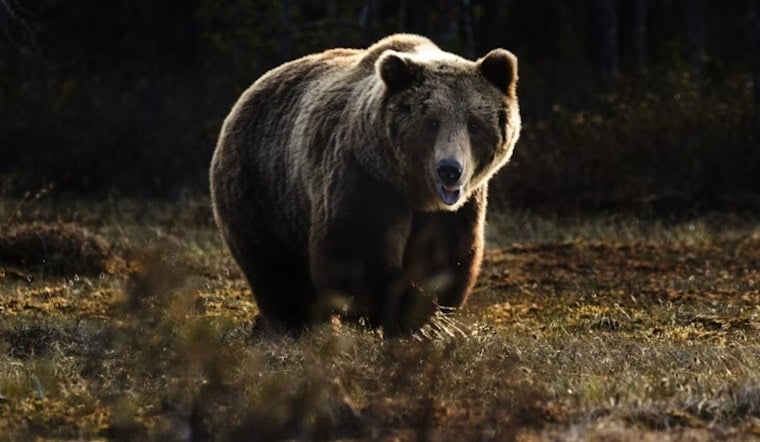
A black bear walked straight into Colorado Springs Fire Station 16 and left with a firefighter's gear bag, the latest in a wave of bold bear encounters sweeping the city and the state this summer. The animal entered the station, grabbed the bag, and fled the scene, according to fire officials.
The break-in at Station 16, located at 4980 Farthing Drive in the Broadmoor Bluffs neighborhood along the city's southwestern edge, comes as no surprise to anyone tracking wildlife patterns in the area, according to 5280Fire, which notes the station sits directly adjacent to foothill terrain near Cheyenne Mountain where bear movement is common. As reported by the Denver Gazette, the Colorado Springs Fire Department used the incident to remind residents to keep grills clean, secure food and trash, keep pet food indoors, take down bird feeders, and put trash out only on pickup day.
A Record Year for Bear Conflicts
The gear bag theft lands squarely within what state officials are calling a historic wildlife emergency. Colorado Parks and Wildlife logged 6,129 bear sightings and conflict reports between January 1 and August 13, already surpassing the full-year 2025 total of 5,299 and nearly double the 3,115 reports recorded over the same stretch last year, per the same Denver Gazette account. Colorado has also seen six reported bear attacks so far in 2026, the Gazette notes, a toll that includes a mid-August mauling of an angler along the South Platte River trail in Jefferson County, where wildlife officers later tracked down and euthanized the bear responsible.
Fire officials, citing guidance from Colorado Parks and Wildlife, described bears at this time of year as essentially a stomach with a nose, single-mindedly focused on bulking up before winter, the department said, according to the same report. That description tracks with the biology behind the surge: during late-summer hyperphagia, black bears expand their active foraging from as little as two to four hours a day up to 20 hours daily, driving them to consume as much as 20,000 calories in a single day, according to Colorado State University researchers. That is roughly the caloric equivalent of 78 pounds of blueberries.
Drought Is Pushing Bears Toward People
Historic drought conditions are drying up the berries and acorns bears would normally rely on, forcing the animals to become bolder as they search for calories, the Colorado Springs Fire Department said. Human food sources put both bears and people at risk, the department reminded residents, warning that depending on unsecured trash, pet food, or grills is unsafe for bears in the long run. If someone does encounter a bear, the department advised making loud noises to scare it off, since an uncomfortable encounter with a person is far safer for the animal than a habit-forming one.
The gear bag incident is not an isolated oddity for Colorado Springs. Earlier in August, a 250-pound black bear died after becoming trapped inside an unlocked vehicle for days during extreme heat while searching for food, a case Hoodline covered in its report on the bear trapped in a hot car. Back in May, wildlife officers relocated a mother bear and her cubs from underneath a residential deck elsewhere in the city.
Statewide Crackdown and Life-or-Death Stakes for Bears
Colorado lawmakers have responded to the surge with tougher enforcement. House Bill 26-1342 took effect on August 12, allowing state wildlife officers to issue citations without a prior warning to anyone who knowingly leaves food or edible waste accessible to bears, with fines that can climb to $5,000 for repeat offenders, according to The Colorado Sun. Previously, officers were required to issue warnings before penalizing attractant violations.
The stakes for habituated bears are steep. Under Colorado Parks and Wildlife's Administrative Directive W-2, nuisance bears that are captured get ear-tagged and relocated on a first offense, but a second conflict capture or any incident that injures a person triggers mandatory euthanasia, per the Wildlife Society Bulletin. State research cited in that policy shows roughly a quarter of first-strike bears go on to commit a second offense. In 2025, before this year's surge, Colorado Parks and Wildlife officers relocated 68 bears and euthanized 98 statewide following conflict reports.
Unsecured garbage remains the single biggest driver of these conflicts, accounting for more than half of all damage and intrusion reports the state logs, according to Colorado Parks and Wildlife data cited by the Colorado Sun. That statistic underscores why fire crews in Colorado Springs are leaning so heavily on public reminders about trash and food storage, even as they field their own unexpected wildlife visitors. Similar scenes have been playing out across the Front Range this month, including a young bear tranquilized 15 miles from the foothills in a Denver neighborhood and a bear-triggered lockdown at a Fort Collins university campus during move-in week.





