

























































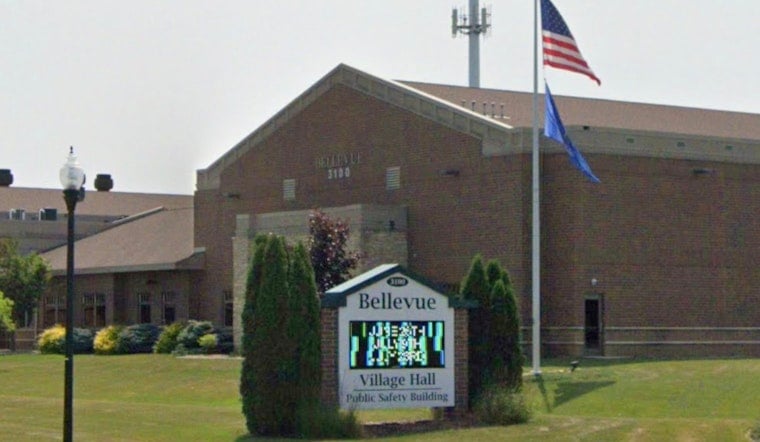
The Village of Bellevue board voted 5-0 on Wednesday to approve a 12-month moratorium on data center development, giving trustees a year to study the potential impacts before any new project can break ground. The vote came after residents packed the discussion with concerns about low-frequency noise, backup-power testing, and strain on the local power grid and water supply.
According to WTAQ, resident Maureen Blaney Flietner told the board that data centers can generate more noise at certain megawatt levels and often run continuously, along with worries about electric and water bills and overall power-grid demand. Trustee Tom Murphy said large-scale data center developments deserve more scrutiny and that the village should take time to assess the concerns and impacts before moving forward, and he backed the moratorium vote. The pause itself is meant to give trustees adequate time to review public health, land use, environmental constraints, and the general welfare of the village, per the same report.
A Regional Pattern of Pushback
Bellevue's vote landed one day after voters in neighboring Wrightstown overwhelmingly rejected a referendum on a data center project, with WTAQ reporting that residents there voted the measure down by a wide margin. That referendum, held Tuesday, asked whether the village should support or authorize municipal infrastructure for large-scale data center projects; according to Spectrum News 1, 85.8% of Wrightstown voters said no. The Wrightstown Village Board had already unanimously enacted its own 12-month moratorium on data center zoning and planning activity in July, extending a temporary halt it first passed in June, according to Ballotpedia.
The fight in Wrightstown traces back to developer Cloverleaf Infrastructure, which had been pursuing a 1-gigawatt hyperscale data center campus along a 345kV transmission corridor after abandoning a similar project in nearby Greenleaf in January due to local opposition, according to MLQ.ai. WTAQ reports that data center resistance has also surfaced in Manitowoc County, Dane County, Caledonia, Superior, and Cassville, suggesting Bellevue and Wrightstown are just two fronts in a much larger statewide fight.
Statewide Skepticism Meets a Tax Incentive
The backlash is playing out even as state policy has actively courted these projects. Wisconsin's surge in data center proposals traces to 2023 Wisconsin Act 19, which created a sales and use tax exemption for equipment and software at qualified data centers, according to Thomson Reuters. Because Wisconsin's Public Service Commission does not directly regulate or permit data center developments, land-use and zoning authority rests almost entirely with local municipalities, as Urban Milwaukee notes, which is why moratoriums like Bellevue's have become the primary tool communities have to slow projects down.
Public opinion appears to back that resistance. A July Marquette Law School Poll found that 76% of surveyed Wisconsin voters believe the overall costs of data centers outweigh their benefits, per Urban Milwaukee's reporting. As of October 2025, the state had already certified four major projects for Act 19 tax exemptions, including facilities tied to Microsoft in Mount Pleasant, Epic Hosting in Verona, Meta in Beaver Dam, and Oracle Cloud in Port Washington.
Litigation and Lost Deals Elsewhere in the State
The friction has escalated into legal action in at least one case. The Sierra Club filed a lawsuit in July in Ozaukee County Circuit Court against the Wisconsin Department of Natural Resources, challenging air permits for Vantage Data Centers' $15 billion, 672-acre Port Washington campus over concerns tied to 45 diesel backup generators, according to the Ozaukee Press — a dispute Hoodline covered last month.
Elsewhere, transparency demands have simply killed deals outright. In Pacific, Wisconsin, a proposed $10 billion, 400-job AI data center project by Maryland-based developer Stonebridge vanished in late 2025 after the town board chair refused off-the-record meetings and insisted all discussions happen in open public hearings, according to Wisconsin Watch.
Data Centers Become a Campaign Flashpoint
The issue has also spilled into Wisconsin's governor's race. WTAQ reports that Democratic candidate Francesca Hong has made a statewide data center moratorium a key primary platform promise, while fellow Democrat David Crowley has said he supports greater transparency and a ban on nondisclosure agreements tied to data center development but will not embrace a full statewide moratorium. On the Republican side, Tom Tiffany has pledged to end Evers-era data center subsidies if elected and has separately voiced support for banning data center nondisclosure agreements, according to the same WTAQ report.
Northeast Wisconsin elected officials reportedly attended a data center education forum at UW-Green Bay in March, a sign that local leaders across the region have been trying to get ahead of a wave of proposals that shows little sign of slowing. For now, Bellevue's 12-month pause is not a permanent ban — it buys trustees time to draft land-use, noise, and environmental rules before any developer can lock in site rights.


