

























































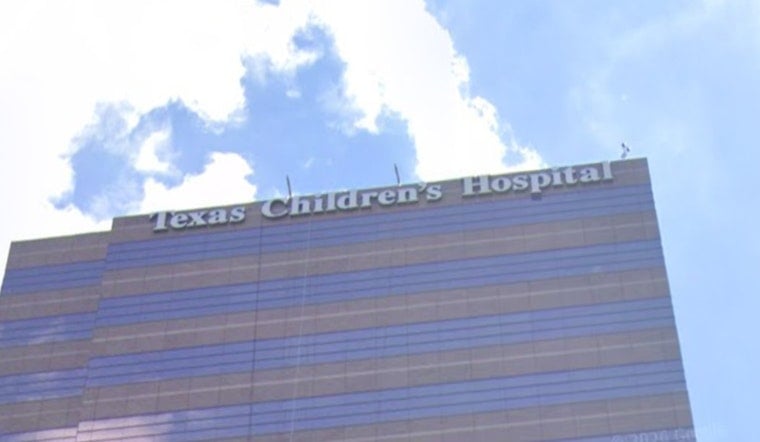
A 5-year-old boy from Belton, Texas gave part of his own bone marrow to his older brother earlier this week, in a last-resort bid to save the 6-year-old from a rare and aggressive blood cancer. Jahseh received the transplant on August 18 at Texas Children's Hospital in Houston, after months of chemotherapy, fevers and complications tied to juvenile myelomonocytic leukemia, or JMML.
Jahseh was diagnosed with JMML in March, according to localmemphis.com, and was referred to Texas Children's Hospital in Houston the following month. JMML is an extremely rare childhood blood cancer, accounting for only 1% to 2% of pediatric leukemia cases and striking an estimated 1.2 children per million each year, according to the Leukemia & Lymphoma Society. It most commonly affects infants and children under age 4.
Before his diagnosis, Jahseh had cycled through a string of illnesses, including RSV, the flu, ear infections, hand-foot-and-mouth disease and pneumonia. He developed an enlarged liver and spleen, prolonged high fevers, an enlarged abdomen and severe nosebleeds with blood clots. Blood tests showed an extremely low red blood cell count, low platelets and a high white blood cell count. Doctors determined a bone marrow transplant could give him another chance.
Why a Sibling Match Mattered
Allogeneic stem cell transplantation is the only known curative treatment for JMML, with overall post-transplant survival rates of roughly 50%, according to the National Cancer Institute. Chemotherapy alone cannot cure the disease; it is used beforehand mainly to reduce the cancer's burden ahead of transplant. Jahseh underwent four rounds of chemotherapy, per his mother, Shanika Williams, plus an aggressive six-day round immediately before the procedure, the outlet reports.
Finding a full tissue match among siblings happens only about 25% of the time, according to UChicago Medicine, meaning roughly 70% of transplant candidates must instead search unrelated donor registries. Those odds carry an added weight for Black families: patients searching the Be The Match registry for an unrelated adult donor find a match about 66% of the time compared with 97% for white patients, per ARUP Laboratories. Jahseh's 5-year-old brother, Juelz, turned out to be a compatible donor, sparing the family that search entirely.
Juelz reportedly asked, “When is my doctor's appointment to save my brother's life?” Doctors collected stem cells from Juelz's bone marrow through his hips, and the transfusion of prepared cells into Jahseh, delivered through a central line in his chest, lasted roughly two hours. Williams described her younger son's role in stark terms: “He was super nervous, he was scared, but he was ready, and he did awesome,” she said, according to localmemphis.com.
Weeks of Isolation Ahead
Jahseh is now awaiting engraftment, the process by which the transplanted cells establish themselves and begin producing new blood cells. Doctors estimate engraftment could take up to three weeks, and the station reports Jahseh has already spent roughly two and a half weeks in the hospital. During this stretch, patients typically remain at acute risk for graft-versus-host disease and severe infections while engraftment unfolds, according to Henry Ford Health, since chemotherapy leaves them without functional white blood cells to fight off common bacteria or viruses.
That vulnerability explains the strict protocols around Jahseh's care. He has a weakened immune system, is restricted to a smaller hospital unit, and his toys must be cleaned daily. He also has limited visits from children during certain weekend hours. Pediatric transplant units rely on HEPA-filtered isolation rooms specifically to shield immunocompromised patients from airborne pathogens in the weeks before engraftment takes hold, per UChicago Medicine.
Doctors estimate Jahseh could remain hospitalized for six to seven weeks if his recovery goes as planned, and he may initially face as many as four follow-up appointments per week after discharge. Chemotherapy side effects have already brought weakness, mouth sores, skin discoloration and hair loss, the report notes. If the disease were to relapse after this first transplant, a second allogeneic stem cell transplant successfully salvages roughly one-third of patients, according to research published in the Journal of Clinical Medicine — a contingency the family hopes never to need.
A Family Stretched Between Two Cities
Jahseh is being treated at Texas Children's Hospital in Houston, ranked the No. 1 pediatric hospital in Texas, which performed a record 144 organ transplants in 2025 and led the nation in overall pediatric transplants. Its Cell Therapy and Bone Marrow Transplant Program has performed pediatric allogeneic transplants since 1978.
Shanika Williams, a mother of four, left her job to care for Jahseh in Houston and now lives between Belton and the hospital, traveling roughly three hours each way — a drive of about 172 miles. The family could be required to stay near Houston until around January, as Jahseh will need frequent follow-up appointments there after he's discharged. Williams' aunt, Tracy Martin, created an online fundraiser, titled Support Jahseh's Fight Against JMML Cancer, on May 24 with a $7,000 goal to help cover medical bills, Houston lodging and travel costs.
Through it all, Williams has tried to keep her focus narrow. “Take it one day at a time,” she said. Jahseh had started daycare in the fall of 2025, not long before the symptoms that would upend his family's routine began to surface.
Hoodline previously reported on a similar situation involving an Austin 4-year-old's bone marrow transplant, underscoring how often Texas families face long stays away from home for this kind of pediatric care.





