

























































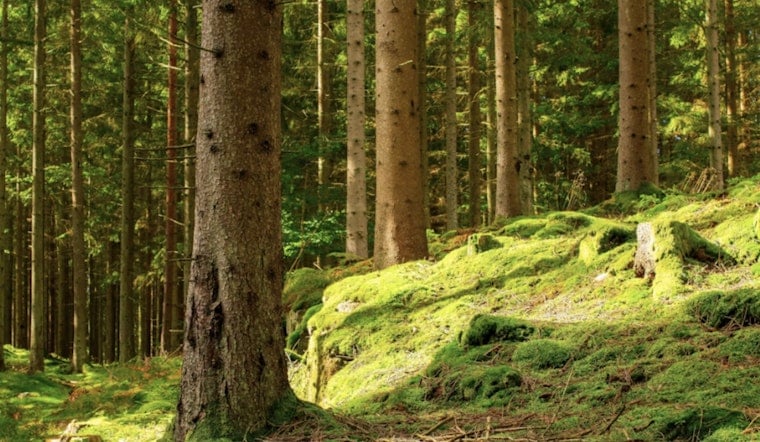
A rare stretch of old-growth forest south of Houston is now protected for good, with 391 acres in Lake Jackson becoming the newest addition to San Bernard National Wildlife Refuge. The coastal woodland is part of the Columbia Bottomlands, a shrinking Texas ecosystem that gives migratory songbirds a place to rest after hundreds of miles over the Gulf.
The Nature Conservancy in Texas announced the acquisition Monday, according to Chron. The property expands the more than 46,000 acres already conserved within the Columbia Bottomlands and strengthens a refuge that now protects more than 70,000 acres from Gulf beaches to forests more than 50 miles inland.
Why This Forest Matters To Migrating Birds
The Columbia Bottomlands once covered more than 1,000 square miles of floodplain forest along the Brazos, San Bernard and Colorado rivers. By 2022, the U.S. Fish and Wildlife Service said only about 150 square miles of forest remained largely untouched by agriculture and development.
That makes the newly protected tract more than just a nice patch of shade. The forest's hardwoods and wetlands form a critical stopover for birds flying north and south each year, while also supporting resident wildlife in one of the largest remaining bottomland hardwood landscapes on the Texas Gulf Coast.
San Bernard National Wildlife Refuge was established in 1968 to protect coastal wetlands and wintering waterfowl, then expanded its mission in 1997 to include inland forests, according to the U.S. Fish and Wildlife Service refuge overview. More than 320 bird species use the refuge for part or all of the year, and visitors can generally enjoy wildlife watching, photography, fishing, hunting and environmental education programs.
A Long Conservation Goal Reaches The Finish Line
The Nature Conservancy worked with Mike Lange of North American Conservation Partners and a long list of public and private supporters to complete the purchase. Funding included the North American Wetlands Conservation Act, the Knobloch Family Foundation, Texas Parks and Wildlife Foundation, Houston Audubon, Friends of Brazoria Wildlife Refuges, Cradle of Texas Conservancy, Gulf Coast Bird Observatory and individual donors, Chron reported.
For a landscape increasingly boxed in by roads, farms and development, the 391-acre addition is a small-looking number with outsized importance. It keeps an old forest standing, gives exhausted birds a dependable landing spot and pushes the Columbia Bottomlands a little closer to the conservation future advocates have been chasing for decades.





