

























































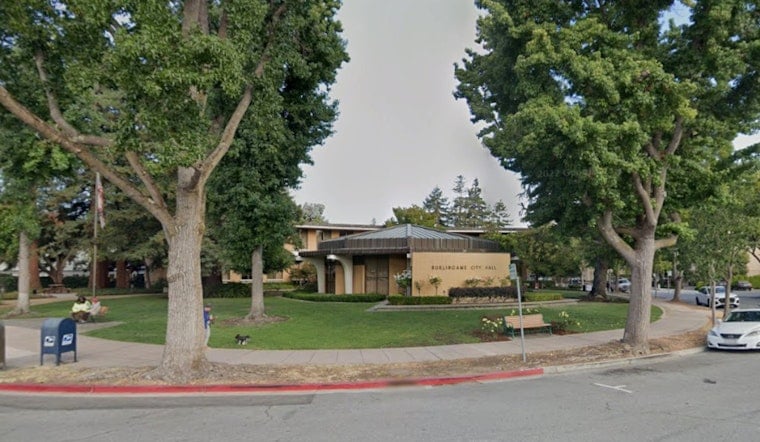
Burlingame city staff are preparing to leave the City Hall they've occupied for more than five decades, relocating to new offices at 1440 Chapin Avenue by the end of September or early to mid-October, according to city officials. The move comes after officials determined that fixing up the current building at 501 Primrose Road would cost nearly as much as simply buying a new one.
Why City Hall Is Packing Up
City Manager Lisa Goldman said the inadequate size and outdated systems at the current City Hall prompted the search for alternative locations, as reported by the San Mateo Daily Journal. Renovating the existing building was projected to cost around $35 million over the next decade, and that price tag would not have added a single square foot of usable office space. An internal city facility report found that the 26,000-square-foot Primrose Road building devotes 32% of its floor plan to non-usable circulation space, leaving employees with just 169 square feet per person, well under the 200 to 250 square feet considered standard in modern office planning, according to the City of Burlingame.
The building's age brings safety concerns as well. A structural evaluation determined that without extensive seismic retrofitting, the current City Hall would suffer substantial structural damage during an earthquake, presenting a moderate risk to human life, per the city's staff report. Staff projections also indicate Burlingame's municipal workforce will grow by roughly 20 percent over the next decade, a trend the current building has no room to absorb.
A Familiar Neighborhood, A New Address
The City Council voted in February 2025 to authorize the city manager to enter into a lease-to-buy arrangement for 1440 Chapin Avenue, allowing the city to lease 26,522 square feet of space immediately while committing to purchase the entire property outright for $34.5 million on or before June 30, 2027. That total cost lands nearly in line with what it would have taken just to keep patching up the old building. The new address sits less than two blocks from 501 Primrose Road, keeping it within walking distance of the Burlingame Caltrain station and several SamTrans bus lines while offering increased visitor parking capacity, according to the city.
Burlingame hired Group 4 Architecture, the same firm that designed the town's Burlingame Community Center, to lead interior tenant improvements on the third floor of 1440 Chapin Avenue. The design consolidates all administrative departments onto one floor and includes a one-stop-shop service counter where residents and business owners can consult staff from multiple departments, submit permit applications, and pay fees in a single visit, addressing a current setup that requires visitors to bounce between floors and offsite locations.
Paying for the Purchase
To cover the $34.5 million acquisition by mid-2027, Burlingame plans to combine municipal bonds and General Fund reserves with proceeds from the sale of city-owned Parking Lot H at 255 El Camino Real. The city entered closed-session negotiations this month to select a broker and begin negotiating terms for that sale. Owning the Chapin Avenue building also comes with a fiscal upside the old City Hall never offered: ongoing commercial rental income from private tenants occupying the building's other floors, which will help offset facility maintenance costs and debt service until the city needs that space for future municipal expansion.
City Council meetings will continue to be held at the old City Hall location for now, meaning the civic building's most visible function isn't going anywhere just yet. Burlingame's original 1970 City Hall was designed by the architectural firm Kahl, Howell, and Whifler and is known for its semi-circular main structure and a distinctive circular council chamber topped with a copper roof, replacing an even older 1914 brick City Hall on Park Road that the city had also outgrown.
What Happens to the Old Site
Once city operations fully depart 501 Primrose Road, its future remains an open question. The site is zoned R-4 for high-density residential use, which gives the city options ranging from housing to open green space to civic facilities, with community public outreach on the matter launched in late 2025. City officials have emphasized that preserving public green space will remain a priority as those site planning discussions continue.





