

























































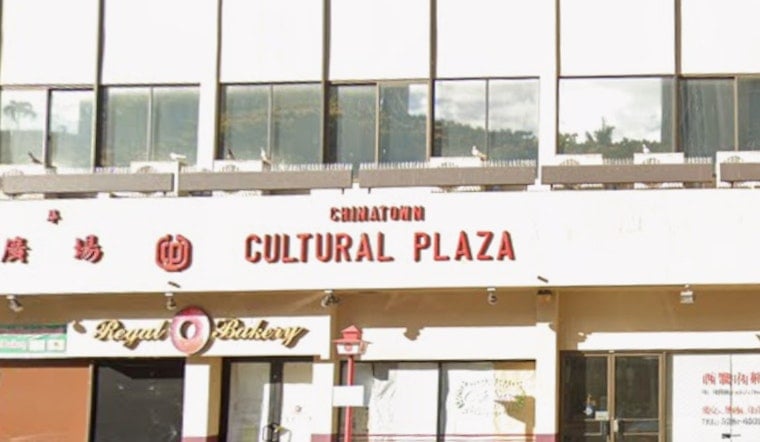
Honolulu's Chinatown Cultural Plaza will once again fill with lantern light, mooncakes, and cultural performances on September 19, when the annual Mid-Autumn Festival returns for a full day of programming from 10 a.m. to 10 p.m. Vendors, dancers, and neighborhood families will pack the plaza for a celebration that has become one of Chinatown's signature community events, even as the aging venue that hosts it edges closer to the wrecking ball.
The festival is organized by the volunteer-led nonprofit Chinatown 808 and presented by the Hawaii National Bank Foundation, bringing together local vendors, cultural performers, and community members in support of historic Chinatown businesses, according to Hawaii Public Radio. As KITV reported, the daylong event will feature a lantern parade, live cultural performances, and traditional food throughout Chinatown Cultural Plaza.
The evening lantern parade steps off at 5:30 p.m. from the Hawaii National Bank branch on King Street and proceeds up Maunakea Street, following a $5 public lantern-making workshop at the plaza, per Go Hawaii's event listing. Maunakea Street serves as a primary commercial corridor through historic Chinatown, giving the parade a natural route past many of the shops the festival is designed to support.
Stargazing, a Live Bunny, and the Legend of the Jade Rabbit
Once the sun goes down, telescopes will be set up on the second floor of the plaza near the dragon boat display for stargazing, alongside a live bunny showcase tied to the traditional Jade Rabbit lunar legend, Hawaii Public Radio notes. In East Asian folklore, the Jade Rabbit resides on the moon alongside the moon goddess Chang'e, a story woven into Mid-Autumn celebrations across generations.
Traditionally observed on the 15th day of the eighth lunar month during a full moon, the Mid-Autumn Festival ranks second in cultural importance only to Lunar New Year, centering on harvest thanksgiving, mooncake sharing, and family reunions, per the same Hawaii Public Radio account. Mooncakes exchanged during the holiday symbolize completeness and family unity, a tradition that carries directly into the plaza's food offerings.
Leadership Behind Chinatown's Calendar of Cultural Events
Chinatown 808 President Leonard Kam, a former president of the Chinese Chamber of Commerce of Hawaii, also directs the neighborhood's annual Lunar New Year Chinatown Festival and Parade, which marked its 50th anniversary in February 2026, according to HAWAIʻI Magazine. Chinatown 808 coordinates multi-block cultural events throughout the year aimed at boosting neighborhood foot traffic, tying the Mid-Autumn Festival into a broader calendar of programming meant to keep visitors coming back to the district.
A Venue on Borrowed Time
This year's celebration carries an added layer of significance because the host site itself is not long for this world. Honolulu Mayor Rick Blangiardi announced in May 2026 that Taiwanese officials had agreed to tear down the dilapidated four-acre complex, according to Hawaii News Now. The plaza was built in 1974 by Chinese community organizations and acquired by Taiwan's government in 1979, per Chinatown Cultural Plaza's own account of its history.
Blangiardi had sent formal letters to Taiwan's president in early 2025 citing drug abuse, assaults, and robberies inside the plaza, noting that Honolulu police cannot regularly patrol the complex's interior spaces because the site is privately owned by a foreign government, as reported by Taiwan News. Taiwan's Ministry of Foreign Affairs responded this year by pledging enhanced safety measures and closer coordination with the city, the outlet reported. Hoodline previously covered Blangiardi's push, reporting in December that the mayor appealed directly to Taiwan to redevelop the plaza to address merchant shop closures, crime, and physical decay in the historic district.
Honolulu law enforcement has also leaned on a targeted “Weed and Seed” strategy in Chinatown, enforcing higher bail amounts and geographic banishment restrictions that bar repeat criminal offenders from re-entering the district, according to Civil Beat. The program pairs aggressive enforcement against violent crime with community revitalization grants, part of the broader effort to stabilize the neighborhood while its most visible landmark awaits demolition.
A Neighborhood Built on Resilience
Honolulu's Chinatown was established in the 1840s by former sugar plantation workers and was listed on the National Register of Historic Places in 1973 after surviving major fires in 1886 and 1900, according to the U.S. National Park Service. A 1900 fire set by health officials to contain a bubonic plague outbreak accidentally destroyed 29 acres of wooden Chinatown structures, a piece of history that underscores just how many times this neighborhood has had to rebuild itself.
For now, the plaza remains standing, and Chinatown 808 is once again filling it with lanterns, food, and family activities before its future chapter begins. Similar Mid-Autumn and August Moon celebrations have drawn crowds in other American Chinatowns this season, including Boston's 55th annual festival earlier this month, part of a national pattern of urban Chinatowns marking the holiday with lion dances, opera, and street festivities.



