

























































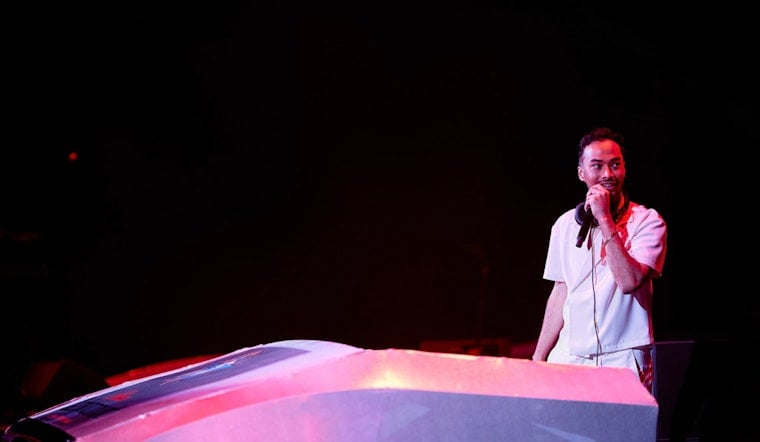
Brooklyn got a three-night blast of Haitian pride this summer when DJ and producer Michaël Brun brought BAYO to the Brooklyn Paramount for its 10th anniversary. What began as neighborhood block parties in Haiti has become a cultural platform where music, soccer, philanthropy and diaspora identity share the same bill.
From June 25-27, 2026, BAYO took over the Downtown Brooklyn venue with artists from across generations and an audience reaching beyond the Haitian community. Brooklyn Paper reports that the festival’s name means “to give them” in Haitian Creole, reflecting Brun’s goal of honoring culture while strengthening community.
From Haitian Block Parties To Brooklyn Paramount
The Brooklyn stop marked BAYO’s first multi-night residency at the Paramount, according to Downtown Brooklyn, which listed the three-night run as a celebration of the event series’ 10th anniversary. The format made the festival feel less like a standard club date and more like a temporary Haitian cultural capital—part concert, part reunion and part open invitation.
Haiti’s World Cup Return Added Extra Voltage
The anniversary also arrived in a year when Haitian pride had a fresh global headline. Concacaf says Haiti secured its place in the 2026 FIFA World Cup by finishing atop Group C, ending the national team’s wait since the 1974 tournament.
That soccer comeback showed up inside BAYO’s programming. Haitian national team player Wilson Isidor attended the Brooklyn festival and joined Brun onstage, while the production team also presented Grenadye Alaso 1974-2026, a documentary tracing Haiti’s journey from its 1974 World Cup appearance to its return in 2026, according to the film’s official website.
The Festival’s Give-Back Mission
BAYO’s social mission is more than branding. The Sharon Andrea Lee-Brun Memorial for BAYO Fund, created in honor of Brun’s mother, supports existing organizations working in Haiti and across the Caribbean, a philanthropic thread Brooklyn Paper connected to Brun’s stated commitment to giving back.
A Brooklyn Home For A Diaspora-Wide Celebration
The choice of Brooklyn was especially pointed: Flatbush’s Little Haiti Cultural and Business District is already an established center of Haitian and Caribbean life. In a statement about the borough’s Haitian community, the Office of the Brooklyn Borough President described Brooklyn as home to one of the largest Haitian communities in the country, giving BAYO a local audience with deep stakes in what the festival is trying to preserve.
That may be BAYO’s real staying power. Brun is not simply exporting a sound from Port-au-Prince; he is building a room—sometimes a block, sometimes a Brooklyn theater—where older traditions, newer artists and a diaspora hungry for connection can all turn up together.





