

























































Carlyle Preudhomme Jr., a 47-year-old audio engineer from Flushing, Queens who has worked with major hip-hop and R&B artists, became the first person to receive a simultaneous pancreas-kidney transplant on Long Island after decades of living with Type 1 diabetes. His organ function had fallen below 5 percent before the procedure, leaving him dependent on dialysis and vulnerable to severe hospitalizations from swings in his blood sugar.
The 10-hour operation took place in the early morning hours of May 13, and was performed by transplant surgeons Dr. Niraj Desai and Dr. Lawrence Lau using organs from a deceased donor, according to Newsday. Doctors only announced the milestone publicly this week, following roughly three months of recovery for Preudhomme. Preudhomme told CBS News New York that the double transplant saved his life, a sentiment echoed by surgeons who described completing the case after years of preparation. CBS News New York's Jennifer McLogan reported on the surgery, noting the procedure involved complicated risks and that Preudhomme was selected as the program's first transplant recipient.
A New Regulatory Green Light on Long Island
Before this operation, Long Island patients needing a pancreas transplant had to travel into New York City or beyond, since no local hospital was authorized to perform the procedure. That changed in December 2025, when the Northwell Transplant Institute received formal authorization from the New York State Department of Health, along with approvals from the Health Resources and Services Administration and the United Network for Organ Sharing, to launch Long Island's first official pancreas transplant program, per the same Newsday account.
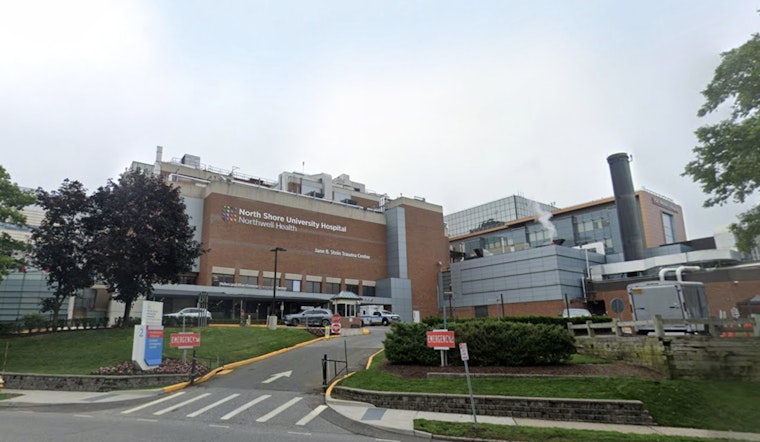
The surgery itself happened inside North Shore University Hospital's Petrocelli Surgical Pavilion, a 288,000-square-foot facility that opened in 2024 with 18 operating rooms and 132 intensive care beds built to support complex multi-organ procedures, according to Wikipedia. The $325 million pavilion was designed specifically to expand the hospital's capacity for cardiac, neurosurgery, and transplant programs. With its new pancreas program now in place, North Shore University Hospital became one of only 59 adult transplant centers in the United States offering heart, kidney, liver, lung, and pancreas transplant programs all within a single hospital, according to Northwell Health.
Why Diabetic Patients Need Both Organs at Once
Simultaneous pancreas-kidney transplants are not simply two separate surgeries performed back to back; they function as a coordinated treatment for Type 1 diabetics whose kidneys have failed. By transplanting a healthy donor pancreas alongside a kidney, surgeons address both end-stage renal failure and the underlying diabetes that caused it, which research compiled by Penn Medicine indicates dramatically improves 5-year survival odds compared to a kidney transplant alone. Restoring a patient's own insulin production, per that research, protects the newly transplanted kidney from suffering the same diabetic damage that destroyed the original one.
The clinical need is significant. Approximately 2 million Americans live with Type 1 diabetes, and roughly 40% of those patients eventually progress to chronic kidney disease or kidney failure, Northwell Health notes. Nationally, more than 800 simultaneous pancreas-kidney transplants are performed each year, representing the overwhelming majority of all U.S. pancreas transplants, according to federal organ registry data cited by the health system.
Strong Odds, Backed by Decades of Data
Outcomes for the procedure are well documented. National data from the Organ Procurement and Transplantation Network shows 1-year kidney graft survival for simultaneous pancreas-kidney transplants reached 96.2% nationwide, with 1-year pancreas graft survival also above 90%, according to the Health Resources and Services Administration. Longer-term figures compiled by the Scientific Registry of Transplant Recipients show a 5-year patient survival rate of 90.7% for simultaneous pancreas-kidney recipients, compared with 76.8% for diabetic patients who receive a deceased-donor kidney transplant alone, per Penn Medicine.
The procedure itself has a long history in American medicine. The world's first simultaneous pancreas-kidney transplant was performed 60 years earlier, in 1966, by surgeons Richard Lillehei and William Kelly at the University of Minnesota, establishing dual-organ transplantation as a viable cure for diabetic kidney disease long before it reached Long Island.
Establishing this capability at North Shore University Hospital marks a significant healthcare shift for Long Island residents, who previously had to travel into Manhattan or out of state for this kind of specialized multi-organ transplant care, Northwell Health says. Hoodline has previously covered a Nassau teen's kidney search through the same Northwell Transplant Institute, part of a broader regional push to bring specialized transplant care closer to Long Island and outer-borough patients.



