

























































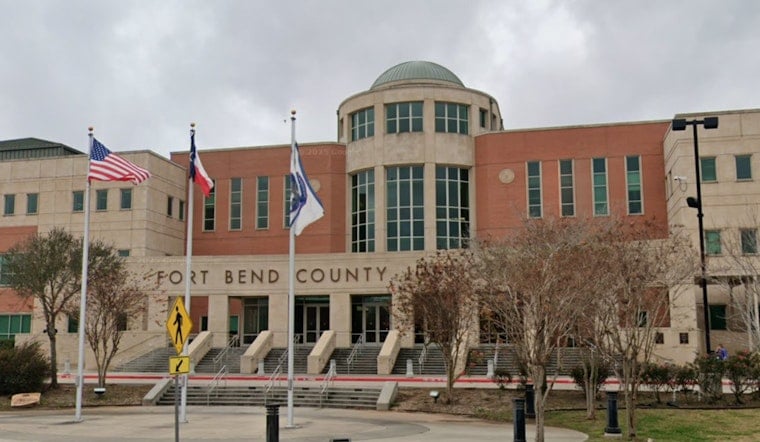
Fort Bend County's elected county attorney has taken four commissioners to court, arguing a proposed new legal department would gut her office's staff, budget, and authority just as she pursues a separate legal fight against an interim county judge. Bridgette Smith-Lawson filed a petition against each commissioner, calling the plan political retribution aimed squarely at her office.
According to ABC13 Houston, Smith-Lawson's petition warns that once commissioners vote to create the department, the damage would be immediate: her office would lose its lawyers, its files, and its ability to represent the county and its officials in the very matters those lawyers are already handling. Fort Bend County Commissioners Court is scheduled to take up the proposal Thursday, and a temporary injunction hearing in Smith-Lawson's lawsuit is set for Wednesday afternoon.
A Proposal Born Out of a Judicial Power Struggle
The clash traces back to the fall of former County Judge KP George, who was convicted in March on two counts of felony money laundering and sentenced in June to six months in county jail and five years of probation, according to Texas Scorecard. Visiting District Judge Jeth Jones appointed Daniel Wong as interim county judge in April under Texas Local Government Code Section 87.017, following a civil removal petition filed against George by a local resident, the outlet reports.
That arrangement fell apart in June, when a district judge signed an order of nonsuit ending the civil removal case against George. Per the same account, Smith-Lawson then issued a legal opinion declaring that Wong's interim appointment had automatically expired, while Wong maintained he retained authority under the constitutional holdover doctrine until removed by a court order. The case appointing Wong was dropped, per ABC13's reporting, feeding directly into the standoff now playing out in court.
Commissioners Split Over Who Holds the Gavel
The disagreement fractured Commissioners Court itself. Precinct 2 Commissioner Grady Prestage and Precinct 4 Commissioner Dexter McCoy declined to recognize Wong's authority after Smith-Lawson's opinion, briefly leading Prestage to preside over court sessions, the same outlet notes. In July, Wong voluntarily dismissed an earlier standalone lawsuit against Smith-Lawson so that all competing claims over his judicial appointment and county legal authority could be consolidated into a single district court case.
Now Smith-Lawson is taking four commissioners to court over a separate but related fight: Thursday's agenda item proposing a court-controlled Legal Department — Civil Division for the 2027 fiscal year. The proposal would move the majority of the county attorney's staff under Commissioners Court's direct authority, transferring attorney positions, support staff, and funding out of her elected office, and could impact checks and balances within county government, according to ABC13.
Both Sides Dig In
Andy Meyers, a Fort Bend County official cited in ABC13's reporting, said commissioners must hire independent outside counsel and argued that taxpayer dollars are effectively funding the county attorney's legal action against her own client. That independent outside counsel would cost taxpayers additional money, per the report. The Fort Bend County Judge's office insists the proposed department is not political retribution.
Smith-Lawson, however, calls it exactly that. She became the first Black woman elected as a county attorney in Texas when she took office in January 2021, was reelected in 2024, and was recognized as the 2026 Civil Practitioner of the Year by the Texas District and County Attorneys Association, according to her campaign biography. Political scientist Mark Jones, cited by ABC13, said the proposed legal department movement appears suspicious and called the broader dispute a major distraction, adding that a dependent legal department would likely take direction from Commissioners Court rather than operate independently.
The Statutory Fight Underneath the Politics
The legal question hinges on how much civil authority state law grants elected county attorneys versus commissioners courts. Texas Government Code § 45.179 assigns the Fort Bend County Attorney primary responsibility for representing the state, the county, and county officials in civil matters, according to Justia Law. Separately, Texas Local Government Code Section 89.001 allows commissioners courts in populous counties to employ special counsel for civil suits, but the statute requires the elected county attorney to select that counsel.
Texas courts have wrestled with this tension before. The 1993 Texas Supreme Court case Guynes v. Galveston County, examined by CaseMine, weighed whether commissioners courts can establish independent civil legal departments without violating the constitutional authority of elected county attorneys. That precedent looms over Thursday's vote, since Smith-Lawson's office would lose the majority of its staff, files, and budget to a department answering directly to the commissioners who created it — the same commissioners she is now suing.
With the injunction hearing set for Wednesday afternoon and the Commissioners Court vote scheduled for Thursday, the outcome will determine not just the fate of Smith-Lawson's office but who ultimately controls Fort Bend County's civil legal representation going forward.





