

























































Checks and PayPal payments worth a combined $23.8 million are landing with 640,038 Grubhub customers and delivery drivers this month, the payout from a settlement over how the Chicago-founded company advertised driver pay and handled restaurant listings. The Federal Trade Commission began mailing the money on August 12, closing out a case that traces back to complaints from both diners and couriers about hidden fees and misleading promises.
The refunds stem from a roughly $25 million settlement Illinois Attorney General Kwame Raoul and the Federal Trade Commission secured with Grubhub Inc. in 2024, according to the agency. That figure is a fraction of what regulators originally sought: the FTC and Illinois attorney general assessed a $140 million judgment against Grubhub, but suspended $115 million of it based on the company's documented inability to pay, as reported by CBS News. If Grubhub misrepresented its finances, that suspended amount becomes immediately due.
Driver Pay Promises Fell Far Short
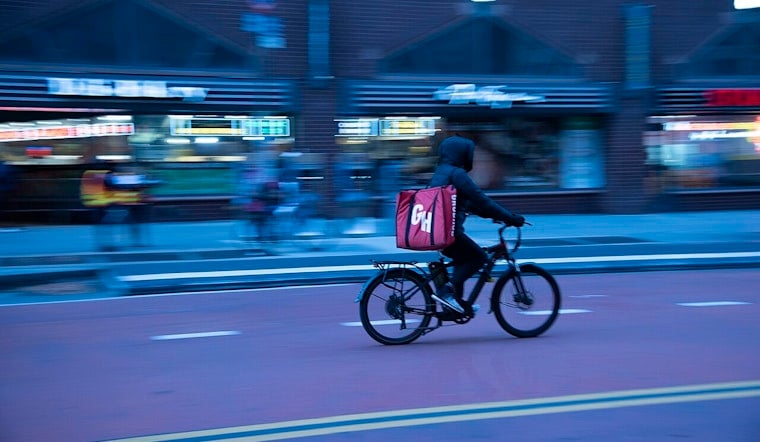
Investigators zeroed in on how Grubhub recruited its delivery workforce. Advertising campaigns in Chicago promised drivers could earn up to $26 an hour, but the median Grubhub driver actually earned closer to $11 an hour in 2023, with only the top 2% of drivers ever hitting the advertised rate, per the same CBS News account of the joint federal and state complaint.
The complaint also detailed how Grubhub allegedly handled restaurants that never signed up for its service. According to allegations from the attorney general and FTC, Grubhub added nearly 325,000 restaurants to its app without those businesses' permission starting in 2019 — and when non-partnered eateries asked to be removed, the company frequently refused and tried to steer them into paid partnerships instead, according to VitalLaw. Per the complaint, the higher fees and ordering problems that resulted damaged restaurants' reputations, and Grubhub also allegedly pressured customers into ordering through its own app rather than directly from restaurants.
Grubhub Disputes the Allegations
Grubhub has denied the FTC's allegations. A company spokesperson said Grubhub is committed to transparency so diners, restaurants and drivers can make well-informed choices, adding that the company settled because it believed doing so was in its best interest. Grubhub has faced similar complaints from customers and drivers in California, according to Axios.
This is not the company's first brush with regulators over hidden fees. Grubhub settled a similar hidden-fee and deceptive marketing case with the Washington, D.C. Attorney General's office in December 2022 for $3.5 million, which included $2.7 million in account credits and checks for D.C. consumers targeted by hidden service fees and unauthorized restaurant microsites. Chicago itself sued Grubhub and DoorDash back in August 2021 over hidden fees and unauthorized restaurant listings, a case that led DoorDash to agree to an $18 million settlement with the city in November 2025, Restaurant Business reported.
From Chicago Startup to $650 Million Fire Sale
The refunds arrive amid a dramatic financial reversal for the company Grubhub started as in Chicago back in 2004. European delivery giant Just Eat Takeaway.com bought Grubhub for $7.3 billion in 2021, only to sell it to New York-based Wonder Group for $650 million in November 2024 — a loss of more than $6.5 billion, as The Guardian detailed at the time, in a deal Hoodline also covered as it happened.
The FTC is not making public the amounts individual recipients will receive, though the agency's broader enforcement action averages around $37 per person, per the FTC. Recipients who get physical checks, mailed through refund administrator Analytics Consulting LLC, must cash them within 90 days, while those receiving payments via PayPal need to claim their funds within 30 days.
Part of a Wider Crackdown on Delivery Apps
The Grubhub payout also fits into a broader federal push against hidden fees across the delivery and gig economy, one Hoodline has tracked in recent months. In December 2024 the FTC finalized its Trade Regulation Rule on Unfair or Deceptive Fees, requiring upfront pricing for live event tickets and short-term lodging, though restaurant menu pricing was excluded from that rule after industry lobbying, according to Restaurant Dive. Instead, regulators have pursued food delivery fee complaints case by case, with Grubhub now among the platforms held to account.




