

























































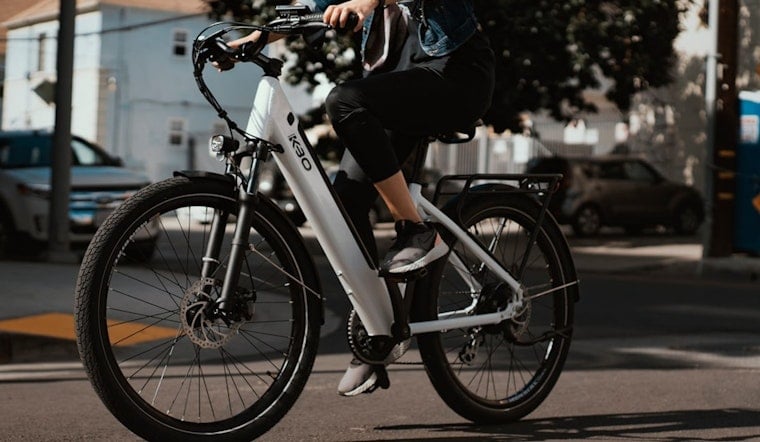
Harrisonville is drawing a clearer line around the electric rides now sharing its streets, sidewalks and paths. The City Council approved code updates Monday night covering e-bikes, electric scooters, mopeds, electric dirt bikes and other powered devices. The package sets speed, helmet, licensing and access rules — plus a few consequences for parents who knowingly let younger children break them.
As reported by KSHB 41, the ordinance updates Harrisonville’s definition of covered vehicles to include electric-powered devices rather than focusing only on gasoline-powered machines. For certain covered vehicles, the rules include a 30-mph maximum speed, a valid driver’s license and restrictions on sidewalk use. Operators younger than 26 must wear helmets, while the code also recognizes an exception for older riders with proof of health insurance.
For e-bike riders, the framework follows Missouri’s three-class system. The Missouri Revisor of Statutes defines Class 1 bikes as pedal-assist models topping out at 20 mph, Class 2 bikes as models that can be propelled by motor alone up to 20 mph, and Class 3 bikes as pedal-assist models reaching up to 28 mph. State law also bars anyone younger than 16 from operating a Class 3 e-bike.
Harrisonville’s move arrives as Kansas City-area communities continue sorting out how to regulate devices that can look like bicycles but move more like small motorcycles. The Kansas City legislative docket lists a proposed code update intended to align local e-bike definitions and operating requirements with Missouri law. Leawood separately adopted a helmet rule for minors in February after 10-year-old Duke Ommert was killed while riding an electric scooter in October 2025, according to KCTV5.
Inside Harrisonville, Class 1 and Class 2 e-bikes may use sidewalks and multi-use paths but must yield to pedestrians. Class 3 bikes are prohibited on sidewalks, their operators must be at least 16, and e-bikes do not need to be registered. Golf carts face a 25-mph ceiling and generally cannot use city streets, while powered wheelchairs and Segway-like devices are allowed on sidewalks and bike paths under separate operating rules, KSHB 41 reported.
The practical dividing line is not simply electric versus non-electric; it is what the device is built to do, how fast it can travel and where it is being operated. Riders will need to know their device’s class and limits before treating a sidewalk, trail or neighborhood street as a one-size-fits-all route.
Parents Could Face Fines For Illegal Electric Rides
The ordinance also adds parental liability provisions for parents who knowingly allow a child younger than 16 to operate a vehicle in violation of the law. Fines under those provisions start at $250, giving families a financial reason to learn the rules before handing over the keys, throttle or handlebars. City officials told KSHB 41 that safety is the city’s top priority and that the goal is safer operation for both drivers and people near the roadway.





