

























































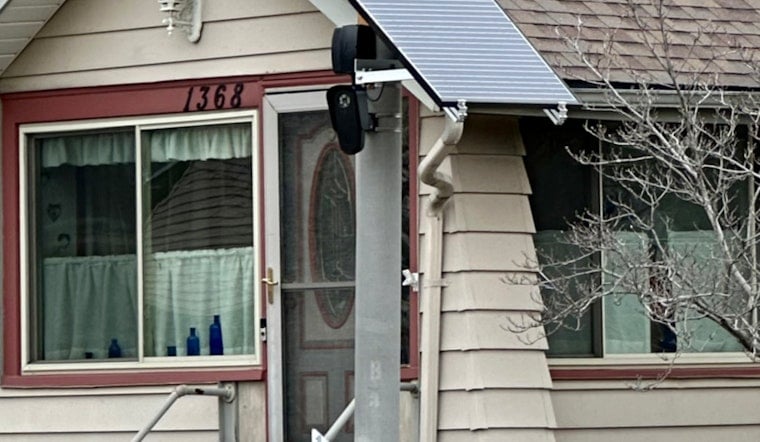
A real estate broker recently described watching a home sale evaporate in real time: a buyer canceled a showing on the spot after spotting license-plate cameras posted at both entrances of a homeowners association, including one perched near the pool. It is becoming a familiar scene across the country as more than 200 homeowners associations have quietly signed contracts with surveillance vendor Flock Safety, installing solar-powered cameras that photograph every passing vehicle and log its make, model, color, and distinguishing features into a searchable cloud database.
The broker's account, shared in a Reddit post, is one of several data points cited in a New York Post investigation into how Flock cameras are quietly reshaping the housing market. According to the report, the backlash against the cameras is now causing home sales to collapse, signed contracts to be canceled, lawsuits to be filed, and prospective buyers to walk away before they ever make an offer. HOA boards frequently install the cameras without putting the decision to a resident-wide vote, and disclosure paperwork given to buyers almost never mentions the surveillance contracts at all, per the same report.
New York Becomes Ground Zero for the Fight
New York state has emerged as a flashpoint in the broader Flock backlash, the Post reports. In Troy, residents have vandalized Flock cameras installed throughout the city, and the situation escalated to the point that the mayor declared a state of emergency — a move the city council then sued over. The council separately refused to fund the city's Flock contract altogether, according to the report.
In Saranac Lake, officials signed a contract in March for 12 license-plate readers and security cameras, but residents say they only learned about the rollout after cameras started going up on telephone poles around the village. One resident said the real issue is not the cameras themselves but who gets to access the data they collect. David Lynch argued the cameras violated police policy and urged the village to remove them, while Sandra Kalinowski said the cameras would not actually keep residents safe, and Aurora White said the village lacked the expertise to properly steward the data Flock was collecting, per the Post's reporting. The village board ultimately voted 4-1 to terminate the contract and swore off ever signing with Flock again.
Huntington Lawsuit Alleges Backroom Dealing
Not every community pushed back before contracts were signed. In Huntington, officials approved a $2.1 million Flock contract behind closed doors, prompting more than 50 people to speak out against the technology at a subsequent council meeting, the Post reports. A Huntington resident has since sued the city, and attorney Aubrey Sparks argued the contract was improperly awarded and should be voided. Eli Baumwell said Huntington officials worked behind closed doors to promote invasive surveillance. A separate effort in Newburgh to remove Flock cameras, led by Omari Shakur, failed when the city council proposal did not pass, according to the report.
How the Cameras Work and Who Owns the Footage
Flock's image-recognition software flags vehicles tied to hot lists such as reported stolen cars or plates connected to police investigations, and the data feeds into a searchable, cloud-based system, the Post reports. HOAs typically own their own camera footage, and it is often funded directly through resident dues. But once that data enters Flock's broader network, HOA data-sharing arrangements can make records visible to thousands of law enforcement agencies nationwide, the report notes, and Flock cameras have turned up not just at neighborhood entrances but near swimming pools, parks, and courts.
The scale of Flock's footprint helps explain why the backlash has spread so fast. The company, based in Atlanta, has reached a private market valuation of $7.5 billion, according to a prior Hoodline report, processing more than 20 billion vehicle scans monthly across 49 states for over 5,000 law enforcement agencies and more than 1,000 corporate and HOA clients. Data retention windows for that footage have often run 30 days or longer, though the company announced this month it would shorten its recommended default retention window to seven days and require case-number prompts for searches, as reported by Business Insider.
Buyers Are Mapping Cameras Before Touring Homes
The friction is now bleeding directly into how people shop for houses. Homebuyers are checking crowdsourced surveillance maps before booking home tours, per the Post's reporting, often relying on tools like DeFlock, a crowdsourced mapping project launched in October 2024 that uses OpenStreetMap data to let privacy-conscious buyers identify and route around mapped license-plate readers nationwide.
The legal terrain around these cameras remains unsettled. A federal judge granted summary judgment to Norfolk, Virginia in January in a case over its 176-camera Flock network, ruling the system did not violate Fourth Amendment privacy rights because it captured discrete public-road images rather than continuous tracking — a decision now on appeal to the Fourth Circuit. Meanwhile, the Institute for Justice filed a federal class-action suit against San Jose in April alleging its 474 Flock cameras capture 360 million scans annually, with more than 99.7 percent involving drivers not suspected of any crime. The organization has also published a database cataloging more than 100 verified incidents of license-plate reader misuse nationwide, including officers tracking romantic interests and conducting unauthorized searches.
HOA boards generally have authority under their governing covenants to install cameras in shared common areas, but they can face liability if those cameras face private interiors or run afoul of state audio-recording consent laws, according to guidance from Cedar Management Group. For now, the pattern described in the Post's reporting shows no sign of slowing: contracts signed without votes, residents finding out only after installation, and buyers increasingly deciding a Flock camera by the pool is a reason to walk away.





