

























































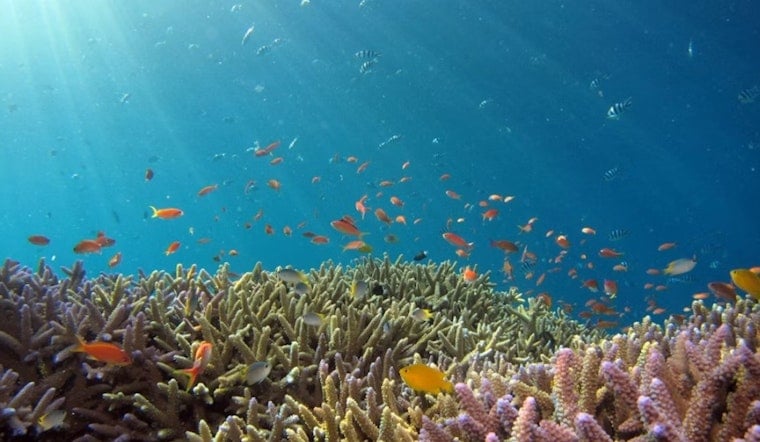
Hurricane Lala's passage through Big Island waters this month has triggered a $200,000 insurance payout meant to protect one of Hawaiʻi's most valuable natural defenses: its coral reefs. The payment, the first of its kind in the nation, will fund a coalition of local groups preparing to assess and repair storm damage along the Kona coast.
The policy, created by The Nature Conservancy with underwriter Munich Re in 2022, is the first coral reef insurance policy in the United States, according to Honolulu Civil Beat. It pays out up to $2 million in damages when hurricanes or tropical storms strike, with the National Oceanic and Atmospheric Administration's National Hurricane Center supplying the third-party storm data used to determine when a payout is triggered. Hurricane Lala brought wind speeds as high as 140 miles an hour in Big Island waters, more than enough to activate the policy's minimum $200,000 payout.
That sum will go to the Hawaiʻi Emergency Reef Restoration Network, a coalition of groups formed specifically to receive insurance funds and put them toward reef assessment and repair, the outlet reports. Network members had already designed projects that could begin as soon as the money arrived, according to the same account, and scientists involved expect the payout to move far faster than funding typically received from state or federal agencies.
Why Reefs Matter for Coastal Protection
Healthy coral reefs reduce wave force, erosion, and flooding at beaches, cutting wave energy by as much as 97%, per the Civil Beat report. That protective function is why marine biologist Julia Rose and other network members plan to tow snorkelers over sections of reef along the Kona coast to identify where restoration is most needed. Rose said corals can be directly reattached to the reef structure using underwater cement, a process that lets fragments broken loose by storm surge survive rather than die on the seafloor.
Doug Harper said reefs help prevent greater storm impacts, while Alika Garcia warned that unrepaired storm damage will compound over time as climate change and El Niño conditions continue to stress the ecosystem, the report notes. Hawaiʻi's reefs are still recovering from a 2015 coral bleaching die-off linked to a historic ocean warming event and climate change, according to the same account, which makes storm damage recovery an added burden on an already weakened system.
What the Policy Does and Does Not Cover
The insurance policy covers damage from tropical storms and hurricanes, but it does not cover coral bleaching or other destructive forces such as pollution and overfishing, the article notes. More than half of Earth's coral reefs have been destroyed by climate change, overfishing, pollution, and habitat destruction since 1950, according to the same reporting — a systemic loss the parametric policy was never designed to address on its own.
The Nature Conservancy has paid $432,000 in premiums over the past four years, with funding from the Howden Foundation, described in the report as the philanthropic arm of the world's largest employee-owned insurance intermediary and focused on helping communities adapt to climate change. The $200,000 payout covers about half of those premiums, per the outlet's reporting. Julia Rose said she hopes premiums may become more affordable as the market for this kind of coverage grows, noting that organizations in Mexico and Central America have already taken out similar coral reef insurance policies.
State and Federal Support Still Pending
The restoration network has also applied for Green Fee funding from the state, though that money remains pending, according to Civil Beat. Julia Rose said the network has huge potential to help reefs get through the next 20 years, while Brian Neilson, speaking per a division spokesperson, welcomed additional resources for marine debris removal and storm-related reef damage. The state's insurance division supports insurance as a tool for quickly funding reef restoration, the outlet reports, and the broader insurance industry has shown growing interest in policies that protect the natural world from damage.
Network members also respond to other reef threats beyond hurricanes, including major swells, tsunamis, and vessel groundings, according to the report. Coral reef restoration more broadly provides storm protection along with healthier, larger fish populations, the article notes — benefits that extend well beyond the immediate repair work now getting underway off Kona.
Hurricane Lala's toll extended far beyond the reef line. The storm knocked out Hawaiʻi Island's 911 emergency system and left more than 200,000 customers statewide without power, as Hoodline reported. The storm also destroyed the primary bridge into Lower Nahiku on Maui and was tied to at least two fatalities on Hawaiʻi Island, according to Hoodline's coverage of the Nahiku bridge collapse.





