

























































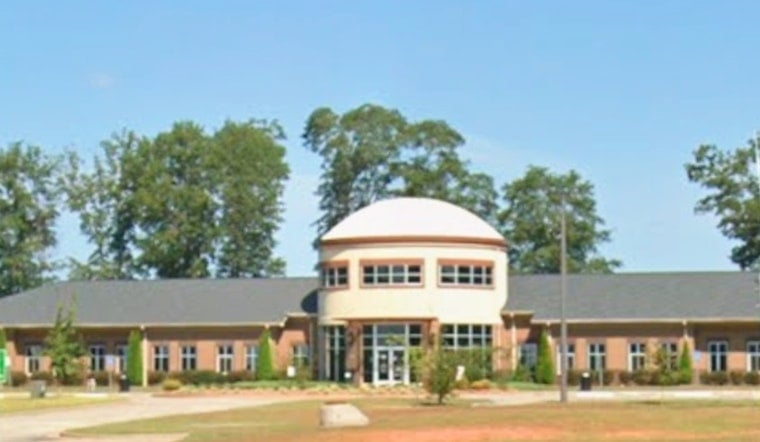
A sprawling data center proposal that would have covered 400 acres along Panhandle Road in Lovejoy is dead, after months of vocal opposition from residents living near the site. The Lovejoy City Council announced the withdrawal this past Thursday, and the developer has now pivoted back to a residential plan for the same property.
The project, which would have spanned 3.5 million square feet across 15 buildings, sat between two schools and several neighborhoods, according to Atlanta News First. At full buildout, the campus was projected to carry a $13 billion valuation and demand up to 1.25 gigawatts of grid capacity — enough power for roughly 500,000 homes, or the output of a nuclear reactor, according to Baxtel. The site had been officially named Stillwater Technology Park, submitted by Charleston-based Stillwater Development LLC, a firm with a history in residential construction rather than hyperscale computing.
Ken Worrell, who lives near the proposed site, put it plainly: many people were against the project, and it simply was not welcome in the community, the report notes. Residents also worried the facility would drain local natural resources, a concern that echoed across neighborhood meetings as the plan advanced through the approval process.
Zoning History Set the Stage for Conflict
The roughly 400-acre parcel was originally annexed into the city of Lovejoy in 2024 for a residential project, with Clayton County's permission, before city officials rezoned it in December 2025 to allow for potential data center development, according to WABE. That pivot mattered because Clayton County itself is not without its own data center restrictions — the county's Board of Commissioners enacted a moratorium on new data center applications in unincorporated areas back in September 2025, later extended through the end of 2026. But that county-level freeze does not reach into incorporated cities like Lovejoy, which retained independent zoning authority throughout.
Mayor Marci Fluellyn had also submitted the project for a state-level Development of Regional Impact review through the Atlanta Regional Commission earlier this year, a process meant to study regional traffic, infrastructure, and utility impacts. That DRI submission itself became a source of concern: the city reported that additional traffic from the project would cause considerable impacts and delays for regular traffic, school buses, and parents, on a stretch of Panhandle Road already strained by Michelle Obama and Eddie White school traffic.
Electricity for the project was set to come from Central Georgia EMC rather than Georgia Power, which would have placed one of the state's largest data center developments outside the direct oversight of the Georgia Public Service Commission, per Baxtel's reporting.
City Council Moves to Ban Data Centers Outright
With the proposal off the table, Fluellyn said the city council will begin updating its zoning code to prohibit data centers from being built in Lovejoy altogether. The council plans to start that zoning process immediately and bring the update before council next month, according to the same report from Atlanta News First.
Kanesha Clemons, another resident living near the proposed site, welcomed the withdrawal news. The relief was shared widely enough that it drew a crowd well beyond Lovejoy's borders: more than 200 Clayton and Henry County residents gathered this past Saturday in Hampton to discuss data centers across the region.
Among them was Tina Coria, founder of Conserve Henry, who cautioned that opposition to data centers is not blanket — the group's concerns center on siting, scale, and transparency rather than rejecting the technology wholesale. Her organization has been active across county lines as development pressure has spread; Hoodline previously reported on a Hampton data center project that drew scrutiny after preservationists discovered it bordered an unmapped 19th-century Black cemetery.
Regional Pressure Far From Over
Community opposition across south Clayton and Henry counties widened this summer after reports surfaced that data center operator Equinix was acquiring additional property nearby along Highway 19/41, according to a Facebook post from Conserve Henry. Residents have said they fear that sequential land purchases in the corridor could stitch together a broader industrial footprint spanning multiple counties, even with the Lovejoy site now set to return to residential use.
The Lovejoy fight also lands amid a wider statewide reckoning over who bears the cost of the AI computing boom. As of June, at least 34 Georgia counties and 23 cities had drafted or enacted data center moratoria and zoning updates, according to Georgia Tech's Data Center Ordinance Hub. In July, the Georgia Public Service Commission opened a formal investigation into whether Real-Time Pricing rules for hyperscale data centers shift electricity fuel costs onto residential ratepayers, with state staff estimating the large industrial loads could push average monthly fuel recovery costs up by 5% to 11% for regular customers.
For now, Lovejoy's Panhandle Road corridor is headed back toward the residential future originally planned for it in 2024. But with Equinix reportedly eyeing nearby land and county-level moratoriums running only through the end of this year, the fight over where metro Atlanta's next data center campus lands is far from settled.





