

























































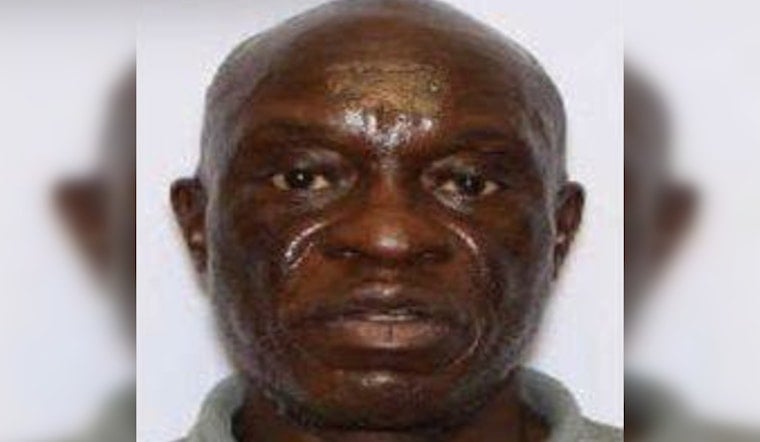
A 69-year-old Chester man diagnosed with dementia has been missing since Wednesday evening, prompting the Chester County Sheriff's Office to deploy K9 tracking units and drone teams while urging residents across a five-mile radius to search their own properties. Willie Sanders was last seen on Mountain Lakes Road between 5 and 6:30 p.m. on Wednesday, wearing a gray hat, a white and black shirt, and gray sweatpants with a white and black stripe. He stands 6 feet 1 inch tall and weighs about 180 pounds.
The sheriff's office says it is working around the clock and utilizing every available resource to locate Sanders, according to a statement from the Chester County Sheriff's Office posted Friday. When the search began, deputies deployed their specialized K9 Tracking Team and Drone Team to comb the area surrounding Mountain Lakes Road, a tactical response that reflects the standard first line of effort in rural missing-person cases involving vulnerable adults.
Search Zone Widens to Five-Mile Radius
In its Friday appeal, the sheriff's office asked residents within five miles of Mountain Lakes Road and Ashford Road to check home security, doorbell, deer, and trail camera footage for any sign of Sanders. The department also asked property owners to inspect outbuildings, sheds, crawlspaces, and surrounding wooded areas, as well as vehicles for disturbed areas or property, since it is common for dementia patients to seek shelter in unmonitored structures or parked cars near where they went missing. Anyone with information is asked to call the Chester County Sheriff's Office at (803) 385-5433, and anyone who spots Sanders should call 911 immediately.
The case has drawn attention beyond Chester County. Regional broadcaster WCNC-TV reported Thursday that authorities were asking for help from the broader region in locating Sanders, extending the alert to neighboring counties and commuters who might spot him along area roads.
Why Time and Distance Matter in Dementia Searches
The urgency behind Chester County's response is rooted in well-documented patterns among people living with dementia. According to the Alzheimer's Association, roughly 60 percent of people with dementia will wander away from home or a care setting at least once during their illness. That same research found that 94 percent of those who wander are ultimately located within 1.5 miles of where they departed, which is part of why search teams concentrate intense grid searches near the point last seen rather than immediately expanding outward.
Time is also critical. Medical research evaluated by the University of Florida College of Nursing indicates that up to 46 percent of missing dementia wanderers face severe risks of injury or death if they are not located within 24 hours of disappearing, since disoriented individuals are especially vulnerable to dehydration, missed medication, and exposure to the elements.
State System Built for Cases Like This
South Carolina has a statewide framework designed to support local departments in exactly this kind of case. The South Carolina Law Enforcement Division operates a Missing Person Information Center that administers the state's Endangered Person Notification System, which can rapidly broadcast alerts across agencies when someone with dementia or another cognitive impairment goes missing, functioning much like an Amber Alert for adults. Such systems, sometimes known nationally as Silver Alerts, were created to overcome historical delays in police reporting by immediately mobilizing the public through media outlets and electronic highway signage, according to research published in the Journal of the American Academy of Psychiatry and the Law. It remains unclear whether a statewide advisory has been formally issued in Sanders's case.
Chester County's search capabilities got a boost earlier this year when the sheriff's office received a $16,500 grant from Duke Energy to acquire a thermal imaging drone for emergency response and search-and-rescue work. That equipment allows drone operators to detect body heat in densely wooded terrain, particularly useful during nighttime searches like the one now underway for Sanders.





