

























































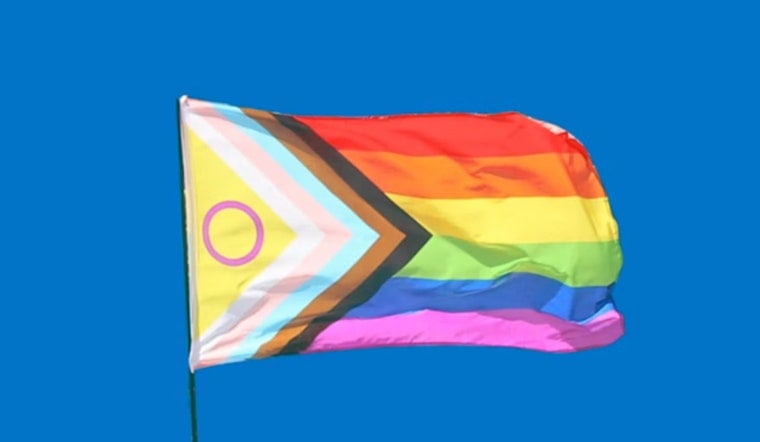
Louisiana lawmakers spent the 2026 session rewriting how state law defines sex and gender, and New Orleans LGBTQ+ leaders say the changes are already chilling trust in courts, schools and workplaces across a city that has protected queer and trans residents since the 1990s. Among the most sweeping measures is House Bill 578, which strips the word gender from dozens of state statutes and replaces it with language defining sex strictly by biological characteristics observed at birth.
According to The Fulcrum, Governor Jeff Landry signed HB 578 into law, and per attorney Scott Roos, lawmakers replaced gender references in state statutes with the phrase “sex determined at birth.” The bill became Act 814 with an effective date of August 1, 2026, according to LegiScan, which notes the measure was sponsored by 18 Republican state representatives before clearing the Senate and reaching the governor's desk. Forum for Equality, described by The Fulcrum as Louisiana's oldest statewide LGBTQ+ civil-rights organization, is actively fighting HB 578, which supporters have called the Restoring Biological Truth Act.
A Workplace Law That Cuts Both Ways
A second measure, House Bill 1137, has drawn equally sharp criticism from advocates. The bill, now Act 579, created a new statute barring public and governmental employers from disciplining employees who refuse to use pronouns or names inconsistent with a coworker's biological sex, according to the HRA Board Presidents Advocacy Brief. The Fulcrum reports that the law shields employees who deliberately misgender coworkers and, in practice, prevents a worker from filing an HR complaint over a colleague's misgendering or use of the wrong name.
Supporters framed the legislation as a protection against compelled workplace speech, while critics warned it undermines anti-harassment standards, per the advocacy brief. Forum for Equality is fighting HB 1137 as well, part of what the organization's Randy Evans described to The Fulcrum as an effort to stop harmful bills, promote beneficial ones, and slow legislation targeting LGBTQ+ residents. Evans also said long-term progress requires building respectful relationships rather than intimidation or coercion.
Bipartisan Common Ground on HIV Law
Not every 2026 measure drew opposition from advocates. House Bill 808, signed into law as Act 177, reformed Louisiana's HIV exposure statute by requiring a substantial likelihood of transmission for criminal prosecution and establishing affirmative defenses for people with undetectable viral loads, according to the HIV Justice Network. The bill passed both legislative chambers unanimously, marking what the organization called a rare bipartisan criminal justice reform in this year's session. The Fulcrum reports Forum for Equality supported HB 808 as a modernization of the state's HIV criminalization laws.
Following 2024's Restroom and Classroom Restrictions
This year's statutes build on groundwork laid in 2024, when Louisiana enacted House Bill 608, known as the Women's Safety and Protection Act, which barred transgender individuals from using public restrooms and facilities aligned with their gender identity in schools, domestic violence shelters and correctional facilities, according to WWNO. That same year, House Bill 121, the Given Name Act, prohibited public school employees from addressing students using names or pronouns that differ from their biological sex without explicit written parental consent, per ADF Media, which noted the law also shielded teachers who declined to use preferred pronouns on moral or religious grounds.
The gap between state policy and classroom support is stark in New Orleans, per The Fulcrum. The city has an estimated 1,500 to 2,000 LGBTQ+ students, but only 5 of its 60 school buildings have some form of LGBTQ+ support space, leaving 55 buildings without those resources. The Human Rights Campaign and PFLAG New Orleans both provide supportive spaces for LGBTQ+ youth, the outlet reports, but advocates say that patchwork falls short of the need.
A City With a Different Legal History
New Orleans has operated under a different set of rules than the rest of Louisiana for decades. The city adopted local non-discrimination protections for sexual orientation in 1991 and added gender identity protections in 1998, according to 64 Parishes, making it one of the earliest municipalities in the Deep South to enact local trans protections despite the absence of statewide non-discrimination law. That local commitment showed up in New Orleans' score of 94 out of 100 on the Human Rights Campaign's 2024 Municipal Equality Index, per the city's own accounting, though it fell short of the perfect 106 the city had received with flex points on the 2019 scorecard.
Brent Mundt told The Fulcrum that the LGBT community lacks true representation at local, state and federal levels. Some judges are engaging directly with community organizations to rebuild trust, the outlet reports, and Judge Simone Levine said statewide rhetoric discourages marginalized groups from seeking legal help. Levine added that the court will hear and respect marginalized community members and wants them to engage with the legal system rather than avoid it.
A Regional Reckoning
The stakes extend well beyond New Orleans. The U.S. South is home to 35.9% of the nation's LGBTQ+ adult population, roughly 5 million residents, the largest regional concentration in the country, according to a Williams Institute at UCLA School of Law analysis of CDC survey data. A separate Williams Institute study found that 24% of LGBT adults in the South live in poverty, a higher rate than cisgender straight adults in the region and higher than LGBT poverty rates in the West or Northeast.
Roughly 87% of Louisiana's workforce is not covered by any local ordinance prohibiting employment discrimination based on sexual orientation or gender identity, according to the Williams Institute, leaving protections largely confined to cities like New Orleans and Shreveport. That gap underscores why Forum for Equality continues what The Fulcrum describes as its decades-long push for statewide employment nondiscrimination protections, even as lawmakers prepare for future sessions expected to include additional bills targeting transgender residents, workplace protections and civil rights. For the transgender community, advocates say, the goal remains straightforward: visibility, representation and basic equity.
The Fulcrum's reporting on New Orleans is part of The 50: Voices of a Nation, a four-year multimedia initiative from the outlet that travels to communities in every state; the New Orleans piece was written by Hugo Balta, the publication's executive editor and publisher of the Latino News Network.




