

























































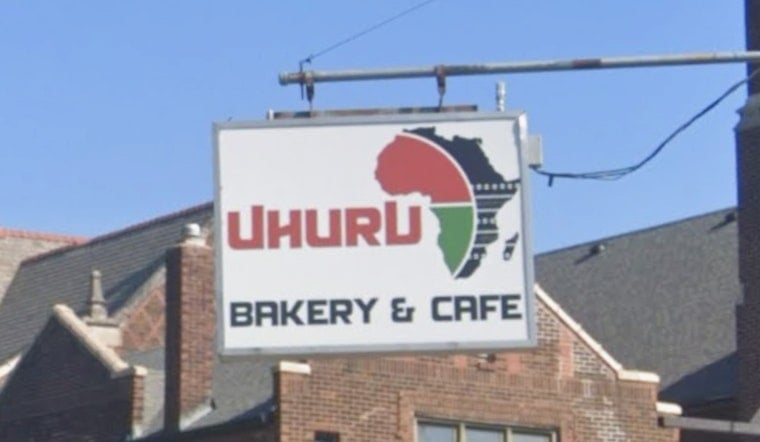
A storefront that sat vacant for years on West Florissant Avenue is about to reopen as Uhuru Bakery & Café, a new gathering spot bringing African, Caribbean and Southern comfort food to a stretch of North St. Louis long marked by food access gaps. The grand opening runs from noon to 5 p.m. on August 15 at 3719 W. Florissant Ave., with free samples, fresh-baked pies and live entertainment planned for the block.
The date is not incidental. As reported by FOX 2, the café celebrates Marcus Garvey's legacy of self-reliance, community development and economic power, and the opening weekend also coincides with the Pan-African activist's 139th birthday, according to Sauce Magazine. That outlet reports the celebration will include performances by local poets and vocalists, along with the Musical Marching Lions of Cardinal Ritter.
Getting to opening day took longer than a typical restaurant buildout. The property was purchased in early 2023 by the African People's Education and Defense Fund, and the group had to fight for it: the St. Louis Board of Adjustment initially denied a building permit before reversing course in a unanimous February 2024 vote, following testimony from more than 25 community members and local officials, per the same account from the St. Louis American cited in the dossier's research notes.
A Food Desert Gets a New Kitchen
The site had previously operated as a restaurant along a corridor that's been designated a food desert, and the new café's menu leans into fresh, garden-grown and vegan options alongside its baked goods. Per the Sauce Magazine report, the menu features house-brewed ginger beer, hibiscus Jamaica drinks, air-roasted coffee, jerk chicken sandwiches and produce harvested directly from an affiliated local farm. FOX 2 adds that the café will focus on African, Caribbean, Southern and African working-class food flavors, with fresh-baked pies for purchase and information available at uhurupies.org.
The bakery is the retail face of Uhuru Foods & Pies, a venture the research notes describe as an economic program dating back to 1981, one that previously ran a café in Oakland in the late 1980s and sold baked goods at markets across California, Florida and St. Louis' Soulard Farmers Market. Pie sales revenue funds Black Star Industries' broader economic programs, according to that same historical account.
Part of a Growing Uhuru District
Uhuru Bakery & Café doesn't stand alone. It's described as a central component of an expanding Uhuru District along West Florissant Avenue that already includes the Shamba La Uhuru Freedom Farm, the Gary Brooks Black Power Community Garden and the One Africa! One Nation! Farmers Market in O'Fallon Park, forming what organizers describe as a farm-to-table food pipeline for North St. Louis.
The café is run under the Black Power Blueprint, a joint initiative of the African People's Education and Defense Fund and Black Star Industries launched in 2017 and led by APEDF President Ona Zené Yeshitela, according to the Black Power Blueprint. The organization's stated mission is acquiring abandoned properties in North St. Louis for community-led revitalization, and it says it has invested more than $1 million into the area to date.
That investment has taken physical form beyond food projects, including the restored Uhuru House Community Center and Akwaaba Hall at 4101 W. Florissant Ave., workforce housing, and a community basketball court, per the organization's own accounting. In May 2025, the Black Power Blueprint also opened a disaster response headquarters at that same 4101 W. Florissant Ave. address, providing emergency supplies, food and electrical charging stations for Northside residents after severe weather.
Why the Corridor Matters
The Black Power Blueprint centers its development work north of Delmar Boulevard, an area where the organization says roughly 94 percent of residents are Black and 35 percent live below the federal poverty line — the long-documented Delmar divide that has marked racial and economic segregation in St. Louis for generations. Rather than relying on government grants, the group's projects are funded largely through grassroots crowdfunding, pie sales and voluntary contributions that supporters frame as a form of economic reparations, the organization notes on its website.
Sauce Magazine's coverage frames the café as more than a food business, describing it as a political and economic institution grounded in Garvey's philosophy of Black self-reliance and community ownership. For neighbors along West Florissant Avenue, the more immediate draw come August 15 will be simpler: free samples, fresh pies, and a long-awaited storefront finally open for business.




