

























































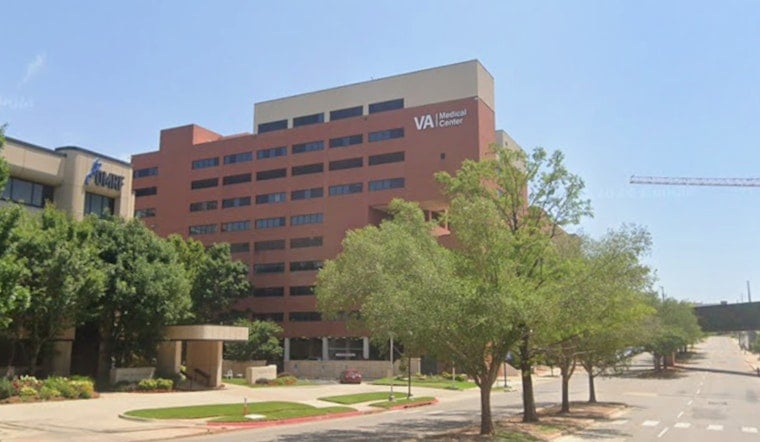
Veterans across Oklahoma and North Texas are about to find it a lot easier to get in the door for care. The Oklahoma City VA Health Care System is opening new and expanded outpatient clinics that together will create space for more than 10,000 additional veterans to enroll in primary care, with projects touching Lawton, Norman, Yukon, Stillwater, Wichita Falls and Oklahoma City itself.
The clinic projects cover primary care, mental health, dental, rehabilitation, specialty care and diagnostics, according to The Journal Record. Wade Vlosich said expanding access to care remains one of the system's highest priorities, adding that the new and expanded clinics reflect continued investment in veterans' health and well-being.
Fort Sill Gets a Bigger Reynolds Clinic
In southwest Oklahoma, the Reynolds clinic has relocated to Lawton, a move that frees up space at both Lawton Main and Lawton North. The relocation is tied to a broader expansion that opened in July 2026, when the Oklahoma City VA Health Care System leased more than 24,000 square feet on the third floor of Fort Sill's Reynolds Army Health Clinic, according to the U.S. Army. That leased space delivers orthopedics, dermatology, optometry and urology, and the arrangement lets the VA deliver care directly inside an active military installation without building anything new.
Lawton clinic projects are expected to add capacity for 1,200 more veterans. That is not the first time the Lawton-Fort Sill VA Outpatient Clinic has grown to meet demand; a February 2019 expansion there added optometry, audiology, physical therapy and women's health services for Comanche County's roughly 10,000 veterans, per the Army's earlier account of that project. Fort Sill's proximity has long meant a dense concentration of military retirees in the Lawton area.
Norman and Yukon Clinics Multiply Their Care Teams
South of Oklahoma City, the Norman VA clinic is set to open in late fall 2026, providing dental, physical therapy and optometry services and adding capacity for 2,400 more veterans. To handle that growth, the clinic is increasing its Patient Aligned Care Teams from four to six. Under Veterans Health Administration guidelines described by the U.S. Department of Veterans Affairs, a single full-time PACT — the multidisciplinary unit pairing a primary care provider with a nurse care manager, clinical associate and administrative clerk — is standardized to handle a baseline panel of about 1,200 enrolled patients, meaning each added team can translate directly into thousands more veterans served.
The Norman expansion follows the VA's May 2023 acquisition of the former 40,000-square-foot Norman Specialty Hospital building, which the system is developing into a 29-bed inpatient substance abuse rehabilitation facility and a 29-bed short-stay nursing home, according to OETA. That acquisition reflected a broader strategy of pushing inpatient and residential programs into suburban facilities after the downtown Oklahoma City Medical Center hit capacity limits.
Yukon is getting a brand-new facility of its own, expanding to six Patient Aligned Care Teams. Stillwater's clinic is doubling its PACTs as well, while just across the state line, the Wichita Falls VA clinic is increasing its teams from six to eight by late summer 2026. Meanwhile, the Broadway VA clinic in Oklahoma City is expanding mental health services this fall.
A System That Outgrew Its Own Walls
These expansions are the latest chapter in a growth story that has been building for years. VA administrative records from late 2023 showed the Oklahoma City VA Health Care System had become the fastest-growing VA health system in the nation, recording 13,991 first-time users in fiscal year 2023 — an 18% surge compared with the typical 1% to 3% annual growth seen at other regional VA systems, per the Department of Veterans Affairs. System leaders attributed that surge to aggressive rural outreach and PACT Act informational fairs.
As of late 2023, the system served more than 74,600 unique veterans spread across 47 counties in Oklahoma and two counties in North Texas, according to the same VA account, a catchment area spanning both urban centers and vast rural stretches that require widespread outpatient access. The systemwide surge in enrollment and clinic construction nationally has been significantly driven by the 2022 PACT Act, which expanded health care eligibility to millions of veterans exposed to toxins like burn pits and Agent Orange, as similar clinic growth elsewhere in the VA system has shown.
The Oklahoma expansion also lines up with state-level outreach: during the first half of 2026, the Oklahoma Department of Veterans Affairs registered 938 previously unserved veterans and helped channel roughly $1.2 billion in federal disability compensation and pension benefits to state residents. Nationally, the VA enrolled more than 180,000 new veterans into health care and opened 38 new health care facilities during fiscal year 2026, per the Department of Veterans Affairs, placing Oklahoma's roughly 10,000-veteran expansion within a much larger wave of growth across the country.
Infrastructure Dollars Follow the Growth
Growth at the clinic level is being matched by investment at the flagship hospital. The Oklahoma City VA Medical Center received funding under a record $4.8 billion nationwide VA Non-Recurring Maintenance budget for fiscal year 2026, money the Department of Veterans Affairs says will convert respiratory units into step-down care and replace the hospital's condensate and air handling systems. Those non-recurring maintenance funds are meant to cover major physical plant repairs and prepare electronic health record infrastructure.
Whether staffing keeps pace with all this new capacity remains an open question system leaders will have to manage as enrollment climbs. With each PACT calibrated for roughly 1,200 patients, the math behind Oklahoma's promise of care for 10,000 more veterans depends on filling those new care teams as fast as the buildings and leased floors come online.





