

























































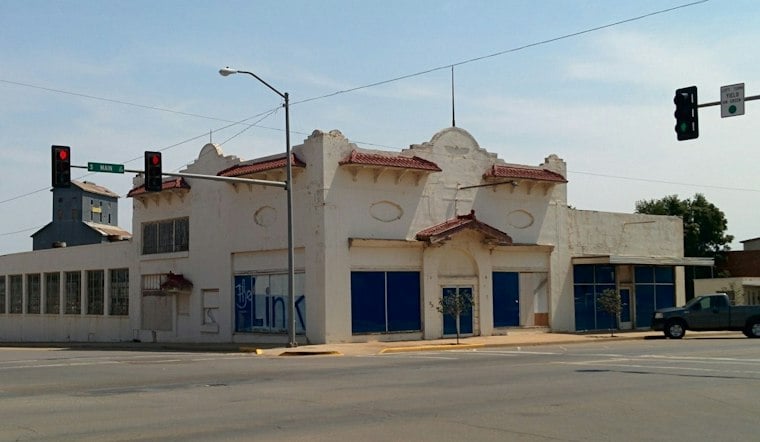
Elk City has landed on the shortlist of Oklahoma communities still being considered for a massive federal nuclear development campus, one of roughly eight to 10 towns statewide still in the running as the state competes against five others for a coveted federal designation. The project could bring fuel fabrication, enrichment, reprocessing and even permanent radioactive-waste disposal to whichever community is ultimately selected.
According to KOCO, Elk City was named as one of the communities under consideration, and state Rep. Nick Archer, who represents House District 55, said about 20 areas across Oklahoma originally expressed interest before the field narrowed. “It's about eight or 10 communities who are still in the running,” Archer said, per the station's report. He called the project “a great opportunity for the state of Oklahoma.”
Oklahoma is competing with Tennessee, West Virginia, Louisiana, Utah and Idaho for the federal government's selection of at least three states to host the campuses, the outlet reported. Oklahoma officials have not responded to requests for a full list of the state's potential locations, so which other communities remain in contention beyond Elk City is still unverified.
What the Campus Could Actually Include
The scope of the proposal goes well beyond a typical industrial park. Federal documents reviewed by News 9 show the facilities could include fuel fabrication, enrichment, reprocessing of used nuclear fuel, and final disposition of that fuel. The same documents reportedly call for disposing of remaining radioactive waste thousands of feet underground using deep-borehole technology — though News 9 also noted the Department of Energy did not list a proposed site for Oklahoma in those documents.
The timeline for a final decision remains murky. KOCO reported the federal government was expected to announce its selection of three states by the end of 2026, while the Idaho State Journal reported that Energy Secretary Chris Wright said the choices were still expected to be made public later this year or in early 2027. Reports have also differed on exactly how many states remain finalists — Oklahoma Watch described Oklahoma as one of five finalists in August, while the Journal Record later described it as one of six, alongside Idaho, Louisiana, Tennessee, Utah and West Virginia.
Jobs Promise Draws Support From Former Kerr-McGee Worker
For some locals, the upside is straightforward. James Noel, a former employee of the Kerr-McGee nuclear plant, told KOCO he expects the project to generate substantial employment. “I think there will be a lot of jobs,” Noel said, adding that even a less-than-ideal location could still attract the specialized workforce needed to run such a facility: “even if they put it in a poor location and they're careful, they can still find the right brainpower.”
The dollar figures attached to the broader program are sizable, though they describe the national effort rather than Elk City specifically. The Energy Department has said a single campus could attract up to $50 billion in investment, generate as much as $10 billion in state and local tax revenues, and create nearly 25,000 jobs, according to Oklahoma Watch. A separate report from AIP put the projected private investment at $51 billion with up to 25,000 jobs, while The Penny News cited an estimate of 20,000 to 25,000 jobs over 10 to 20 years for the broader development effort — figures the outlet stressed are not specific to Elk City.
Scientist Warns of a Waste Dump Dressed Up as an Opportunity
Not everyone is cheering the prospect. Edwin Lyman of the Union of Concerned Scientists characterized the entire push in blunt terms, according to KOCO, describing it as a federal effort to find a destination for radioactive waste that other states don't want, wrapped in promises of economic benefit. “Trying to find a dumping ground for radioactive waste that other states don't want,” Lyman said. Oklahoma Watch separately noted that tens of thousands of metric tons of spent nuclear fuel nationwide are still awaiting a permanent home.
Archer pushed back on fears rooted in the industry's past, arguing that regulations and safety practices have changed dramatically since the 1970s and that it isn't fair to assume an older incident would repeat today. Oklahoma is currently remediating the Kerr-McGee nuclear plant in Logan County, which closed more than 50 years ago. Oklahoma Watch also detailed a 1986 accident at a Kerr-McGee-related site near Gore, where an overfilled cylinder ruptured while being heated, killing one worker and injuring dozens — a site whose highest-risk waste removal wasn't completed until 2018, when the last of 511 truckloads departed for a disposal facility in Utah. At the former Cimarron facility near Crescent, buildings, contaminated soil and buried waste have since been removed, though a final phase of groundwater treatment is still underway, per the same outlet.
Oklahoma Isn't the Only State Weighing the Tradeoffs
Similar debates are unfolding elsewhere. In Louisiana, East Feliciana Parish has been identified as a possible campus site, and residents there have raised concerns about safety and a lack of information, according to NOLA.com. The outlet reported that residents said too many questions remained about the project and its safety. Proponents there argue the campus could bring thousands of jobs and billions in private-sector investment, though officials acknowledged further progress would hinge on geological studies to determine whether the site is even suitable for burying waste.
Elk City's fate — and that of the seven to nine other Oklahoma communities still in contention — remains unresolved for now.





