

























































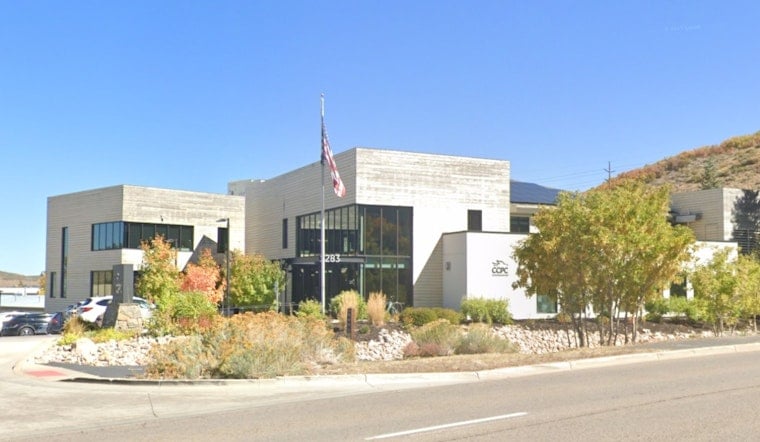
Families heading to Utah Olympic Park next month for the Christian Center of Park City's annual Hike for Hunger can now add a ride on the same bobsled track built for the 2002 Winter Olympics. The fundraiser, set for September 12, from noon to 6 p.m., pairs a scenic hike with an alpine slide, extreme tubing, an adventure course, a zip line, and — new this year — a professionally piloted bobsled run down the Olympic sliding track.
The bobsled add-on was announced on the Christian Center of Park City's Facebook page, which describes it as an optional extra atop the day's already packed lineup of family activities. The sliding track itself dates back to the Salt Lake 2002 Winter Olympic Games, and Utah Olympic Park is slated to host Olympic bobsled, luge, skeleton, and ski jumping events again when the Games return to the state in 2034, according to information cited from the venue's Wikipedia entry.
According to ABC4 Utah, entry runs $25 per person or $75 for a family, and tickets include the option to sponsor a family that relies on the Christian Center's food assistance programs. The day also includes a chair lift ride, face painting, live music, and refreshments from local vendors Swig and Urban Sailor Coffee, along with food, drinks, and Mexican fruit cups. Eli Shackelford and Jessica Bryant, both with the Christian Center, discussed the event's details with ABC4, and organizers say the gathering is meant to share concrete ways people can help address food insecurity in the community.
From 300 Hikers to Over 1,300 in a Single Year
Last September, the event drew more than 1,300 participants after moving to Utah Olympic Park as part of the Christian Center's 25th anniversary celebration — a jump from roughly 300 attendees when it was held at Canyons Village the year before, according to the Christian Center of Park City. Earlier versions of the hike were held at Deer Valley Resort and Canyons Village before organizers settled on the Olympic Park as its new home.
The nonprofit itself has deep roots in Summit and Wasatch counties. It was incorporated as a 501(c)(3) in February 2000, meaning 2025 marked 25 years of continuous social safety net work in the region, per records reviewed by ProPublica's Nonprofit Explorer. Beyond running thrift stores and counseling services, the organization operates the largest food pantries in both counties, serving community members roughly 61,659 times during fiscal year 2025, according to nonprofit data compiled by Cause IQ.
Reach Extends to a Remote Reservation
The Christian Center's hunger relief work stretches well past its physical pantries in Park City and Heber City. The organization also runs mobile food pantries and door-to-door delivery programs that extend into rural Utah and to the Confederated Tribes of the Goshute Reservation in Ibapah, a remote community near the Nevada border, the nonprofit says on its website.
Executive Director Steve Richardson took over leadership of the Christian Center in late 2024, working alongside Director of Programs Eli Shackelford to guide the organization's food, housing, and counseling programs, KPCW reported. Richardson succeeded longtime director Rob Harter, who led the organization for more than a decade.
Why an Affluent Resort Town Still Struggles With Hunger
The fundraiser's growth reflects a stubborn reality behind Park City's ski-town image. An estimated 8.2% of Utah households — about 1 in 12 families, and roughly 1 in 10 children statewide — experienced food insecurity in 2025, according to the Community Action Partnership of Utah. Summit County matches that 8.2% rate, affecting more than 3,300 residents, with an average local meal cost of $4.61 that runs well above the state average because of the resort region's high cost of living, per Stacker's analysis of Feeding America data.
State policy has also shifted the landscape for families who rely on federal assistance. Effective January 1, 2026, under Utah House Bill 403, Utahns receiving Supplemental Nutrition Assistance Program benefits are barred from using those funds to buy soda, according to TownLift. Community food pantries like the ones the Christian Center operates often step in to fill gaps left by changing federal and state food assistance rules, a dynamic that underscores why events like Hike for Hunger matter beyond a single afternoon of family fun.
Registration and full event details for the September 12 gathering are available through the Christian Center of Park City, which is inviting the broader community to take part in the hike, the recreational activities, and the newly added bobsled experience at Utah Olympic Park.




