

























































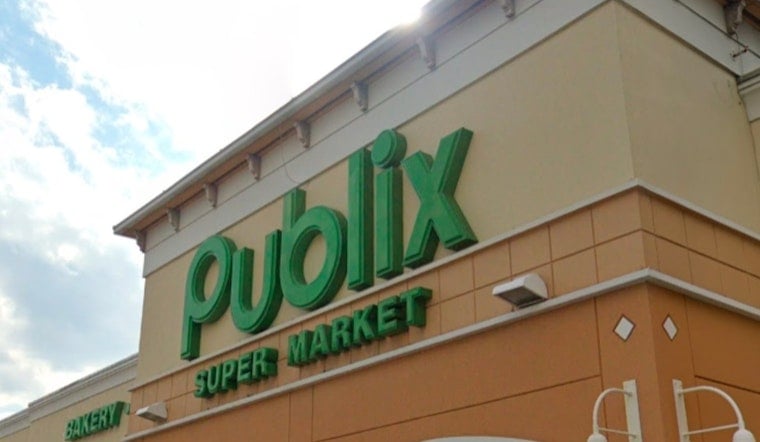
Publix has quietly torn down one of the most familiar rules in American grocery shopping: the 10-item cap on its express checkout lanes. Shoppers with overflowing carts can now roll straight into those lanes, a shift that started with test signage in Miami stores before spreading companywide, according to WPLG Local 10.
The change means the old overhead cubes reading “10 items or less” are being swapped out for simpler signage that just says “Express,” as part of the rollout, according to NewsRadio WIOD. Store associates reported on online retail forums that the overhead cubes are being re-labeled as the policy spreads to more locations. Publix says the goal is to improve the shopping experience and cut down on customer wait times, per WPLG Local 10, and self-checkout lanes remain available for shoppers making smaller purchases.
Cashiers Get New Power to Redirect Lines
Under the updated policy, cashiers and front-end employees now have the discretion to send shoppers with full carts into express lanes during busy periods, a move meant to balance line lengths across the store, NewsRadio WIOD reports. That flexibility replaces a rule that front-line staff say was hard to enforce in the first place. Retail analysts note that unenforced store rules often create more friction between staff and shoppers than flexible guidelines, and Publix's own operational update, as detailed by Supermarket News, pointed to shoppers routinely ignoring the 10-item rule as a driver behind the change.
The shift first came to public attention when South Florida shoppers began noticing updated signage at local stores, a detail traced back to the Miami Herald's August 13 report. Early reporting indicated that select Miami-Dade locations updated their signage ahead of the companywide rollout. Not everyone on the front lines is thrilled about the switch, though. Public posts by store associates captured on Reddit revealed mixed feelings, with some cashiers worrying that dropping the item limit turns express registers into standard lanes in all but name, even as many shoppers welcomed the idea of cashiers moving long lines faster.
A Different Path Than Target and Walmart
Publix's decision stands out because it runs opposite to what much of the grocery and retail industry has been doing. Major competitors including Target, Dollar General, and Walmart imposed strict 10-item or 5-item caps on self-checkout lanes in 2024 specifically to curb retail theft and speed up transactions, according to Rolling Out. Target reported in May 2025 that its 10-item self-checkout cap improved total transaction times by nearly 8 percent across its stores, the outlet noted.
That contrast reflects a broader industry evolution. Self-checkout expanded to account for roughly 30 percent of grocery transactions nationwide by 2021, before grocers began revisiting front-end staffing and lane rules over shrink and customer service concerns, per Modern Retail. Retailers had rapidly expanded self-checkout during the pandemic to manage labor shortages and social distancing needs, the report notes, and are now recalibrating in different directions depending on the chain.
Part of a Broader Year of Changes at Publix
The express lane overhaul is Publix's third major customer-facing policy change of 2026, the same Supermarket News report notes, following the March retirement of the company's “Publix Pay” mobile app feature and a May update to its store firearm policies. Publix discontinued its in-app payment tool on March 19, redirecting app resources toward other convenience features.
The update also arrives after a modest second quarter for the Lakeland-based chain, which reported $15.7 billion in sales for the 13 weeks ending June 27 — a 1 percent increase year-over-year — while comparable store sales dipped 0.5 percent, per the same Supermarket News account. Publix attributed the slight dip in comparable sales to softer consumer spending and changes in Medicare prescription drug reimbursement prices.
Publix, founded in 1930, is the largest employee-owned supermarket chain in the country, operating more than 1,400 stores and employing over 260,000 associates across Florida, Georgia, Alabama, Tennessee, South Carolina, North Carolina, Virginia, and Kentucky, according to NewsRadio WIOD. With the change now rolling out companywide, shoppers across that eight-state footprint should start seeing the new express signage — and cashiers with a lot more say over who lines up where.





