

























































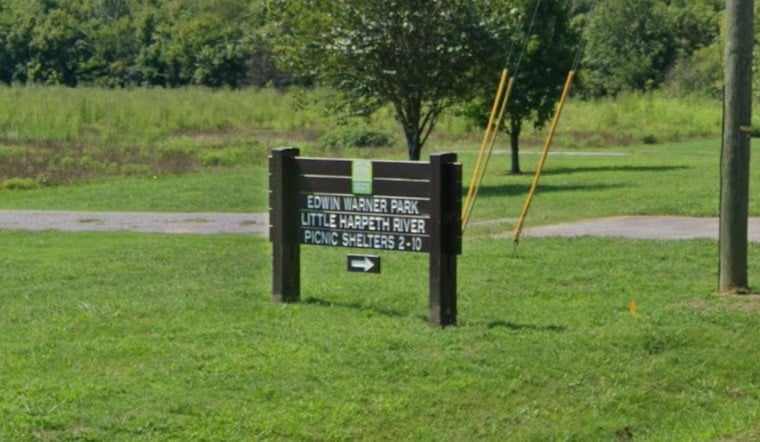
A large rattlesnake slithered across a trail and into the vegetation at Warner Parks in South Nashville, caught on video by a park visitor as the snake made its way through the brush. The sighting, which surfaced this week, lands squarely in what wildlife officials describe as rattlesnake mating season, a stretch of late summer and early fall when the reptiles tend to be more active and more visible to hikers.
According to WZTV, the animal in the footage is a timber rattlesnake, described as the largest and most dangerous snake species found in Tennessee. The outlet reports timber rattlesnakes can grow up to five feet long, are typically found in rocky environments or on forest floors, and range across the entire state. Their venom, per the same report, is potent enough to kill a human, and anyone who is bitten should seek medical attention immediately.
A Massive Urban Wilderness Made For Encounters Like This
The trail sighting happened inside one of Nashville's largest green spaces. Percy and Edwin Warner Parks span more than 3,100 contiguous acres of forest and open space roughly nine miles southwest of downtown, drawing over one million visitors a year, according to Metro Nashville Parks and Recreation. That kind of scale, tucked inside a major metro area, makes wildlife encounters like this one all but inevitable during the season when snakes are most on the move.
The park system traces back to 1927, established after civic leader Luke Lea donated an initial 868 acres of former Belle Meade Plantation land to the city the year before, according to Friends of Warner Parks. The preserve is listed on the National Register of Historic Places and has functioned as a sanctuary for native Middle Tennessee wildlife ever since.
Why It's Illegal To Harm This Snake
Tennessee law protects every native snake species in the state, including all four that are venomous, making it illegal to harm, kill, capture, or move them without a permit unless someone faces an imminent threat to human life, per the Tennessee Wildlife Resources Agency. The agency notes that native snakes play a significant role in rodent control and maintaining ecological balance.
Of the 32 native snake species found in Tennessee, only four carry venom — the timber rattlesnake, copperhead, pygmy rattlesnake, and cottonmouth — and the timber rattlesnake and copperhead are the only two commonly found in Middle Tennessee, the agency says. Wildlife authorities and conservation groups, including the Tennessee River Gorge Trust, note that timber rattlesnakes are naturally timid and typically strike only defensively when cornered, provoked, or stepped on. Visitors are urged to stay on cleared, designated paths and avoid reaching into dense brush or under rock ledges where snakes sun themselves or seek shade.
Keeping Pets And People Safe On The Trails
Metro park regulations require that all pets at Warner Parks stay leashed at no more than six feet at all times, a rule intended to prevent hazardous wildlife encounters on trails where off-leash dogs face elevated risk of severe snakebites if they wander into tall grass or off-trail vegetation. Anyone who is bitten should seek immediate medical attention, and the Tennessee Poison Center, based at Vanderbilt University Medical Center, fields more than 50,000 emergency calls annually and offers 24/7 guidance on snakebite management, according to Vanderbilt University Medical Center.
Hospitals treating pit viper bites rely on crotalid antivenoms such as CroFab and Anavip, which use purified antibody fragments to neutralize venom toxins and prevent severe tissue damage and bleeding complications, per Vanderbilt. Bites remain rare, and simple precautions — staying on cleared trails, keeping dogs leashed, and giving the snakes space — go a long way toward avoiding a dangerous encounter altogether.
A Species Under Pressure Even As It Draws Attention
Timber rattlesnakes also face mounting environmental threats. Snake Fungal Disease, officially confirmed in Tennessee in 2012, is an infectious skin pathogen that causes severe facial lesions and mortality in wild populations, and the Tennessee Wildlife Resources Agency tracks it as a leading driver of population decline alongside habitat loss and killings by humans. It's a reminder that a species capable of a lethal bite is also, by the state's own account, an increasingly vulnerable one worth leaving alone on the trail.
This is not the first time a Middle Tennessee snake has made local headlines this year. In July, a snake knocked out power for more than 7,000 residents in North Nashville's Bordeaux neighborhood after slithering into an electrical substation during a severe heat wave, underscoring how often wildlife and Nashville's infrastructure and public spaces intersect during the warmer months.





