

























































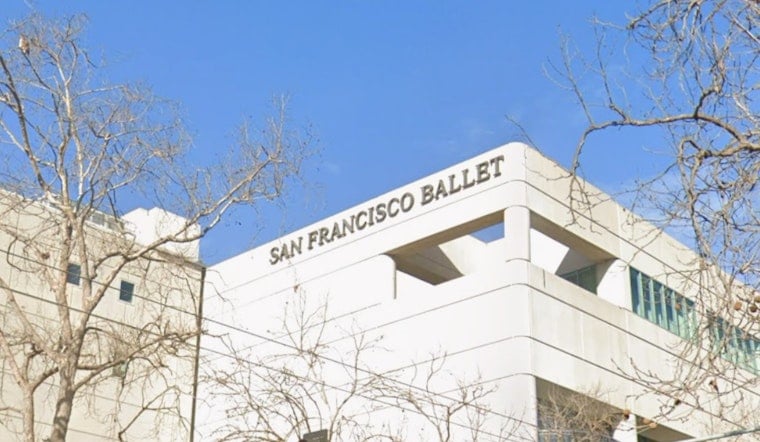
San Francisco Ballet is rewriting one of ballet's most famous tragedies for toddlers, trimming Swan Lake down to a single hour, adding a narrator, and giving its heroine a happier fate for a new series called Tiny Dances aimed at children ages 2 to 8. The adaptation premieres November 7-8 at the Palace of Fine Arts Theatre, with four performances scheduled across that weekend, including 11 a.m. and 3 p.m. shows.
The production drops the story's tragic ending entirely and instead reimagines Odette as, in the show's own framing, a heroine in charge of her own story, according to a report from the San Francisco Chronicle. The score is recorded rather than live, and a narrator walks young audiences through the plot as it unfolds. Choreographer Antonio Castilla, who built the adaptation, said the goal is for children to understand ballet, not just see it.
A Choreographer Who's Done This Before
Castilla isn't approaching this cold. He created a similar child-friendly Swan Lake back in 2018 for the English National Ballet and English National Ballet School's “My First Ballet” series, a production that used a shortened score and a narrator to help kids as young as 3 follow along, according to English National Ballet. That UK-based “My First Ballet” model reached more than 250,000 patrons over the years and built in symbol-based visual tools for children with learning differences, per Widgit.
Castilla's ties to San Francisco Ballet run deeper than this one project. He danced as a principal with the company from 1988 to 1995 and got his start teaching at the San Francisco Ballet School before pursuing coaching and staging roles in Europe, according to San Francisco Ballet. He returned to the company as Associate Artistic Director in 2024.
Built-In Access for Sensory-Sensitive Families
One performance at each Tiny Dances venue will be designated sensory-friendly, built for neurodivergent audiences, including people with autism and others with sensory sensitivities. Those shows will feature a relaxed house environment, modified lighting and sound, social story resources, audio descriptions, and an ASL interpreter, according to the Chronicle's reporting.
That framework isn't brand new for the company. San Francisco Ballet launched its first dedicated sensory-friendly mainstage performance during its 2022 Nutcracker run, establishing a formal partnership with local autism advocacy groups to modify lighting and sound and allow free audience movement and vocalization during those designated shows. Tiny Dances also builds in participatory lobby activities before each performance and at intermission, plus chances for audiences to dance along during the show itself.
A Student Cast With Real Stakes
The dancing itself will be handled by San Francisco Ballet School performers, including pre-professional trainees and Level 8 students. That's not a minor detail: more than 75 percent of San Francisco Ballet's current professional company dancers are alumni of that same school, which functions as the main pipeline feeding the company's mainstage roster, according to San Francisco Ballet.
The choice of venue also marks a shift for the company. Rather than staging the premiere at its usual War Memorial Opera House home, Tiny Dances lands at the 960-seat Palace of Fine Arts Theatre, a landmark complex originally built for the 1915 Panama-Pacific International Exposition. The theater's sprung dance floor and more compact seating layout suit young families and accessible programming, per background on the venue.
Expanding Beyond San Francisco
San Francisco Ballet plans to bring Tiny Dances beyond the city, with a Walnut Creek stop planned for Memorial Day weekend and a Mountain View date set for June, though exact dates for those regional performances have not yet been announced. That regional push follows the company's broader interest in reaching audiences outside its home venue — Hoodline previously reported on a Contra Costa dance studio's ownership change involving former SF Ballet faculty, part of the same regional audience landscape Tiny Dances is now entering.
Tickets for the San Francisco performances go on sale September 15. The initiative arrives alongside the company's other institutional education work, including the Dance in Schools and Communities residency program, which has provided free dance education to more than 2,500 public school students across 35 Bay Area schools each year since 1979.
Part of a Broader Strategic Push
Tiny Dances fits into a wider pattern under Artistic Director Tamara Rojo, who became the first female artistic director in San Francisco Ballet's 90-year history when she took over in late 2022 after a decade leading the English National Ballet. Rojo has said that introducing children to the arts at a young age shapes future audiences and artists, a philosophy reflected directly in the new series.
The company, founded in 1933 as the oldest professional ballet company in the United States, has a history of Swan Lake milestones of its own — it staged the nation's first full-length production of the ballet in 1940 and of Nutcracker in 1944. San Francisco Ballet operates on an annual budget of roughly $50 million, including about $18 million in donor contributions that help fund educational and community programming like Tiny Dances, according to m/Oppenheim Executive Search.
Castilla has said all children deserve to experience and enjoy ballet without fear of disturbing others, a sentiment that runs through both the sensory-friendly performances and the show's more relaxed, participatory format. The company's traditional annual Nutcracker run begins December 6, and its 2027 season opens with the annual fundraising gala on January 14, 2027. Open questions remain, including exact ticket pricing for Tiny Dances, how the school's pre-professional dancers will balance the regional tour with their academic and mainstage commitments, and whether the company intends to turn Tiny Dances into an annual series featuring other reworked classical ballets.




