

























































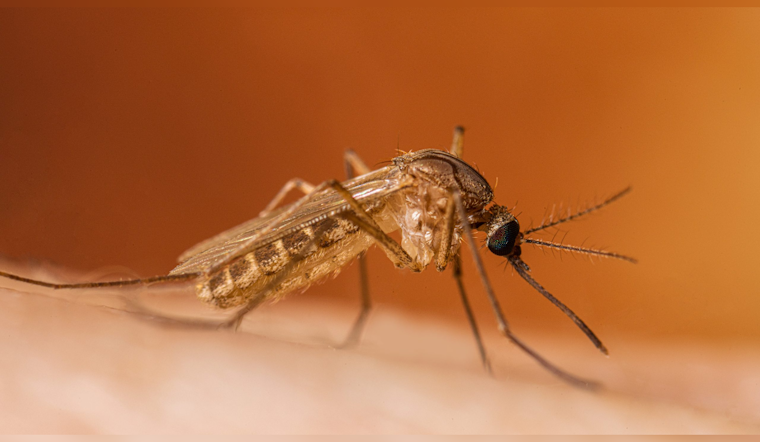
A San Fernando Valley resident has died after being hospitalized with a severe neurological complication from West Nile virus, marking Los Angeles County's first fatal case of the disease in 2026. The resident had developed a severe neuroinvasive infection before dying, according to county public health officials.
The Los Angeles County Department of Public Health confirmed the death, as reported by CBS News Los Angeles. The San Fernando Valley has emerged as the epicenter of the county's outbreak this year, with roughly half of the 15 documented human West Nile cases in Los Angeles County occurring among Valley residents, a share that outpaces the local five-year average for this point in the season, per the Los Angeles Times.
An Unusually Early and Intense Season
Following California's warmest winter on record, West Nile virus amplification and detection in Los Angeles County began nearly two months earlier than usual this year, according to the Greater Los Angeles County Vector Control District, as cited in the CBS Los Angeles report. Warmer winter and spring temperatures accelerate mosquito reproduction and speed up how quickly the virus replicates inside the insects, giving the outbreak a head start well before the traditional late-summer peak.
That early jump in local mosquito activity mirrors a broader statewide surge. The California Department of Public Health has tracked 30 human West Nile cases and three fatalities across 14 counties statewide as of mid-August, marking a five-year high in activity, the Times reports. California's first two fatalities of the year were reported earlier this month in Kings and Glenn counties, a story Hoodline covered in California's first 2026 deaths.
Birds and Mosquitoes Show Elevated Infection Rates
Environmental surveillance across California has found roughly 24% of tested dead birds and 8 out of every 1,000 tested mosquito samples positive for West Nile virus this year, compared with five-year averages of 13% for dead birds and 5 per 1,000 for mosquitoes, according to the same Los Angeles Times account. Dead bird sightings serve as an early warning system for health officials because birds act as the primary amplifying host for the virus before it spreads to mosquitoes and, eventually, humans.
Los Angeles County public health records show an average of 41 reported human West Nile cases per year over the past five years, with 22 cases and two deaths logged in 2025 and 34 cases and two deaths in 2024, according to county public health data. Since the virus was first detected in California in 2003, it has caused more than 8,000 confirmed human cases and over 400 deaths statewide, making it the state's most serious vector-borne disease threat, per the California Department of Public Health.
Most Infections Are Mild, But Severe Cases Can Be Deadly
Roughly 80% of West Nile virus infections cause no symptoms at all, and about 20% produce fever and flu-like symptoms, but fewer than 1% progress to severe neuroinvasive disease such as encephalitis or meningitis. That severe form carries a mortality rate of about 10% among hospitalized patients, with adults over 50 and immunocompromised individuals facing the highest risk, the Los Angeles Times notes.
Humans and other mammals function as what the LA West Vector Control District calls “dead-end hosts” for the virus — meaning that while an infected mosquito can pass the disease to a person, that person cannot develop high enough viral levels in their blood to infect another mosquito that bites them. The virus instead cycles primarily between birds and Culex mosquitoes.
What Residents Can Do to Protect Themselves
County health officials are urging residents to use EPA-registered repellents containing DEET, picaridin, IR3535, or oil of lemon eucalyptus, and to dump standing water around their homes weekly, since mosquitoes can complete their life cycle in even small amounts of stagnant water. Officials are also asking residents to report dead birds or neglected, unmaintained swimming pools to local vector control districts, per the CBS Los Angeles report.
The Valley case follows an earlier 2026 infection in an Antelope Valley resident hospitalized with encephalitis, which Hoodline reported in West Nile Strikes L.A. County. With late-summer heat still ahead, it remains unclear whether transmission will accelerate further into early autumn, and current case counts are likely to shift once end-of-season blood donor screenings and laboratory reports are fully tallied.





