

























































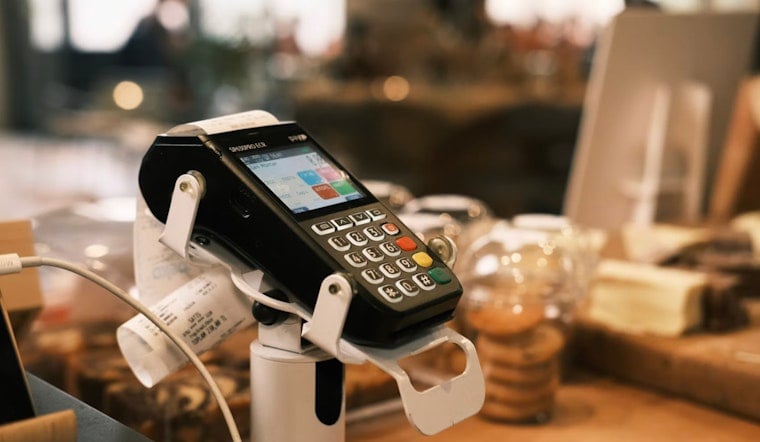
Federal agents and local police pulled 13 illegal card skimming devices out of gas pumps, point-of-sale terminals and ATMs across Hialeah and Homestead in a sweep authorities are calling Operation Heat Check, preventing an estimated $13.5 million in fraud losses before thieves could cash in on stolen account numbers.
The operation, run by the U.S. Secret Service in partnership with Hialeah Police and Homestead Police, checked nearly 3,000 point-of-sale terminals, gas pumps and ATMs across 378 businesses, according to authorities cited by NBC 6 South Florida. Michael Townsend of the Secret Service said the approach is deliberately proactive, working directly with businesses to identify and report skimming devices before consumers become victims. “The U.S. Secret Service is committed to identifying and pursuing those who prey on South Florida communities,” Townsend said.
Operation Heat Check is part of a broader nationwide initiative targeting payment card skimming, EBT fraud and related financial crimes, the outlet reports. It's a strategy the Secret Service has leaned into hard: in 2025 alone, the agency ran 22 similar outreach sweeps in major metro areas nationwide, visiting more than 9,000 businesses, inspecting nearly 60,000 terminals, and removing 411 illegal skimmers while preventing an estimated $428.1 million in fraud, according to the U.S. Secret Service. A comparable sweep in New York City this past June inspected almost 4,000 terminals across 1,010 businesses and turned up 35 skimming devices, preventing an estimated $36.5 million in losses.
How Investigators Put a Price on Prevention
The eye-popping $13.5 million figure comes from a standardized formula federal investigators use to value each device: a single undetected skimmer can harvest up to $1 million in stolen consumer and benefit funds before it's caught, according to a Secret Service analyst cited by CBS News. Multiply that ceiling across the 13 devices pulled from Hialeah and Homestead, and the math behind the $13.5 million prevention estimate becomes clear. Nationally, federal authorities estimate that skimming at credit card, ATM and payment terminal readers costs U.S. consumers and financial institutions more than $1 billion every year, per the same report.
Florida is a particularly attractive target for these operations. With nearly 10,000 convenience stores and more than 100 million tourists passing through annually, the state offers criminals enormous transaction volume and mobile victims who may not notice fraudulent charges until they're back home, according to Florida Politics.
EBT Cardholders Face Outsized Risk
Low-income residents who rely on Electronic Benefit Transfer cards are especially vulnerable in these schemes. Most state EBT programs still rely on magnetic-stripe technology rather than fraud-resistant EMV chips, making it easy for organized rings to clone harvested data onto blank cards, per research from Thomson Reuters. That security gap has drawn bipartisan attention in Washington: legislation introduced in April, the Enhanced Cybersecurity for SNAP Act, would mandate microchip technology on all state EBT cards and phase out vulnerable magnetic stripes nationwide, according to U.S. Senator Katie Britt, who is backing the bill.
Florida's Department of Children and Families offers some protection in the meantime through its ebtEDGE portal, which lets recipients freeze their cards or block out-of-state and online transactions if they suspect their benefits have been compromised.
State Law Puts Pressure on Retailers Too
Florida law already requires gas station operators to take extra precautions. Under a measure signed in 2021, stations must install secondary security features on fuel pumps — such as custom locks or automatic shut-off systems — in addition to tamper-evident security tape, and must report any card security breaches to state officials within 90 days.
Anyone caught possessing or using a skimming device with intent to defraud in Florida faces a third-degree felony under state law, carrying up to five years in prison and a $5,000 fine.
Point-of-sale terminals inside smaller retail markets remain especially exposed to fast, overlay-style skimmer installs, a vulnerability federal agents have flagged in other recent sweeps, including a Secret Service outreach effort in Tarrant County, Texas, this spring that also focused on protecting EBT recipients. Operations like Heat Check offer only temporary relief; lasting protection, researchers note, will depend on broader upgrades to payment card chips and merchant hardware nationwide.





