

























































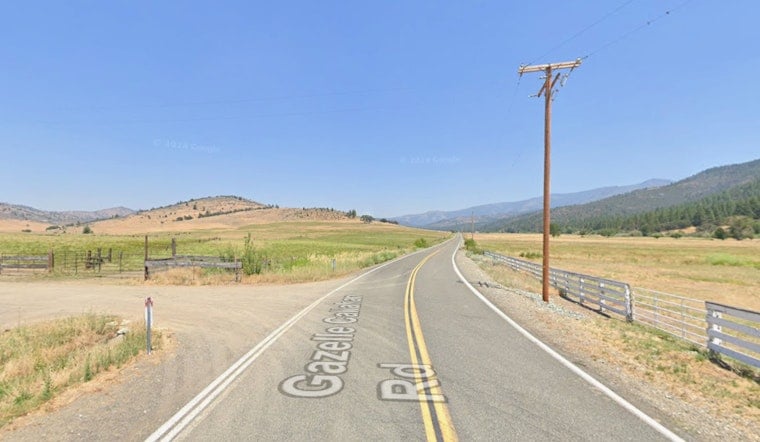
A cattle ranch that has operated in Siskiyou County since 1856 is about to become public land. The Wildlands Conservancy is paying $16.9 million for the 14,000-acre AP Ranch near Gazelle, California, a property nearly the size of Manhattan that has stayed in the Newton family since 1961 and is now headed toward a very different future: a free public preserve built around saving the Scott River's threatened coho salmon.
The deal, first reported by the Sacramento Bee, will fold AP Ranch into the Wildlands Conservancy's existing Beaver Valley Headwaters Preserve, expanding that protected footprint to more than 20,000 acres. The ranch sits at elevations ranging from 3,600 to 5,400 feet, bordered by peaks that rise above 8,000 feet, and includes seven homes and six large barns left over from its working-ranch days, according to the Bee's reporting. It has carried a capacity of roughly 500 mother cows as a year-round cow-calf operation, and the East Fork of the Scott River runs through the property for eight miles.
The purchase is funded in large part by an $11.5 million grant from the California Wildlife Conservation Board, which approved the acquisition on August 27 as part of a $43.9 million statewide conservation package tied to Governor Newsom's 30x30 initiative and financed through voter-approved Proposition 4 climate bond funds, according to CDFW News. The remaining private capital, along with startup funds and an endowment for permanent stewardship, came from a coalition that includes the Catena Foundation, Holdfast Collective, the Horizon Foundation, Kisco Conservation Fund, the Center for Biological Diversity and the Rare Wildlife Lands Foundation, per the Wildlife Conservation Board.
A Century and a Half of Family History Changes Hands
AP Ranch was established in 1856 by Alexander Parker, and it later passed through prominent local figures, including Albert H. Newton, described as a longtime physician and prominent local figure, and Albert H. Newton Jr., a well-known attorney and businessman in the region, per the Sacramento Bee. Dr. Albert Newton III said selling the ranch was bittersweet because it held cherished extended-family memories, the Bee reported. The Wildlands Conservancy plans to close escrow in fall 2026.
This is not the conservancy's first move in the watershed. The nonprofit originally established the Beaver Valley Headwaters Preserve in December 2021 by acquiring the adjacent 6,094-acre Hayden Ranch for $3.2 million through a state Streamflow Enhancement Program grant, according to The Wildlands Conservancy, securing 2.5 miles of East Fork Scott River frontage at the time. The AP Ranch purchase represents the second major phase of that multi-year watershed consolidation strategy.
Water Rights Shift From Irrigation to Fish Survival
The transaction carries with it adjudicated surface water rights tied to eight miles of the East Fork Scott River and to two high-elevation alpine lakes, Kangaroo Lake and Rock Fence Lake, which had previously irrigated roughly 1,400 acres of pastureland, according to Farm & Ranch Publishing. Frazier Haney said the AP Ranch purchase can help ensure the Scott River sustains salmon and wildlife and provides enjoyment for surrounding communities, per the Sacramento Bee. The conservancy plans to improve the river and is building beaver dam-like structures that will slow water, replenish groundwater and expand stream habitat.
That shift matters because the Scott River produces the highest number of wild, federally threatened coho salmon in the Klamath River Basin, making its headwater tributaries pivotal to fish recovery following the late-2024 removal of four lower Klamath River dams, according to CalTrout. Southern Oregon/Northern California Coast coho salmon have been listed as threatened under the federal Endangered Species Act since 1997. Charnna Gilmore said conservation of the AP Ranch helps connect restoration work across the watershed, the Bee reported.
Wolves, Elk and a Legal Landscape Shaped by Water Rulings
Beyond fish, the property falls within the expanding range of Northern California's gray wolf packs and serves as a corridor between the Marble Mountain Wilderness and Klamath National Forest for Roosevelt elk, mountain lions, black bears and American goshawks, according to the conservancy. Combined with a 10-year stewardship agreement covering 33,000 acres of adjacent U.S. Forest Service land in Klamath National Forest, the deal expands coordinated conservation management in the upper watershed to more than 50,000 acres.
Water management in the basin has operated under heightened legal scrutiny since a landmark 2018 appellate ruling establishing that Siskiyou County must evaluate Public Trust Doctrine impacts on river flows when issuing well permits, a precedent covered in earlier Hoodline reporting. That ruling set a statewide requirement for local authorities to weigh protections for navigable rivers and fish habitat before approving groundwater extraction.
Part of a Broader Push for Tribal and Watershed Stewardship
The AP Ranch deal is the latest in a string of major land moves in the Scott River watershed. In July, the California State Water Resources Control Board approved $25 million in zero-interest financing to help the nearby Quartz Valley Indian Reservation purchase more than 10,000 acres of Scott River headwater forest, a deal Hoodline covered when it was announced. The Wildlands Conservancy is working with the Quartz Valley Indian Reservation, California Trout, the Scott River Watershed Council and the Karuk Tribe on restoration efforts across the basin.
Russell A. Attebery said the Karuk people have a responsibility to care for the Scott River and its salmon, according to the Sacramento Bee. The river, forests, mountain meadows and wetlands that make up the Beaver Valley Headwaters Preserve provide habitat for salmon, steelhead and other native wildlife, and the AP Ranch is described as part of a broader network of public, private and conserved lands stitching the watershed together.
Once escrow closes, future public access to AP Ranch will be free, continuing the Wildlands Conservancy's model across its preserve system, which draws more than 1.5 million annual visitors while guaranteeing free access and outdoor education programs. Outdoor education at the ranch will also be offered at no cost. The timeline for finalizing State Water Resources Control Board petitions for instream water dedications, the future of local cattle grazing leases, and exactly when public trails will open all remain open questions as the sale moves toward closing this fall.





