

























































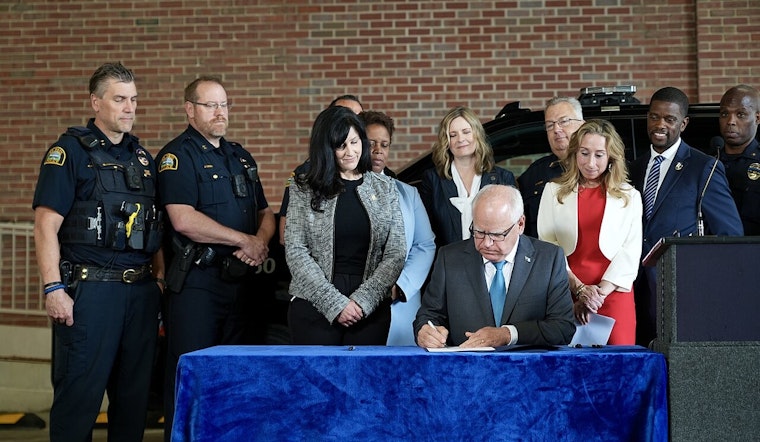
Governor Tim Walz has authorized emergency disaster assistance for six Minnesota counties left with damaged roads, bridges, and public buildings after a punishing ten-day stretch of severe weather this summer. The authorization covers Becker, Crow Wing, Fillmore, Houston, Mower, and Winona counties, all of which suffered damage from storms that struck between June 28 and July 8, 2026, ranging from tornadoes to flash flooding.
The move comes after severe storms and floods inflicted what officials described as irreparable damage and loss across southern Minnesota earlier in the summer, according to KSTP. The state's emergency management team worked closely with the affected communities to assess the damage and begin planning for rebuilding and recovery, per the same report. The aid is meant to help rebuild critical public infrastructure damaged by the storms, rather than compensate individual residents.
An EF-2 Tornado and Historic Rainfall
The scope of the damage varied widely by county. In Becker County, an EF-2 tornado roughly half a mile wide with peak winds near 115 mph tore through the area in early July, damaging homes around Floyd Lake near Detroit Lakes and prompting the county board to declare its own local state of emergency, according to KARE 11.
Farther south, the trouble came from water, not wind. Severe weather stalled over southeastern Minnesota between July 2 and July 8, dumping seven-day rainfall totals that topped 11 inches in both Austin and Spring Valley, as reported by Bring Me The News. In Fillmore County, the town of Wykoff recorded more than 5.5 inches of rain in a single July 2 storm, an event that damaged infrastructure countywide and forced temporary closures of trails in local state recreation areas, per KROC-AM.
Rescues and Highway Closures in Mower County
Mower County was hit especially hard during the July 8 storm event, when up to seven inches of rain fell in a matter of hours. Sheriff's deputies carried out emergency rescues of residents and pets trapped in flooded homes in Adams and LeRoy, while flash flooding shut down Interstate 90 in both directions near Austin, according to MPR News. In the aftermath, local emergency personnel and the American Red Cross opened a recovery distribution site at the Justice Center in Austin to hand out flood cleanup kits to residents, as detailed by CBS News.
What the State Aid Will and Won't Cover
The assistance flows through Minnesota Statutes Chapter 12B, which lets political subdivisions tap state emergency funding for public infrastructure repairs when storm damage exceeds per-capita local thresholds but a federal presidential disaster declaration hasn't been issued, according to the Minnesota Revisor's Office. Under that law, the state covers up to 75 percent of eligible public repair costs, with local governments responsible for a 25 percent cost-share that can be met through donated labor, equipment, or materials.
That funding is drawn from the state's Disaster Assistance Contingency Account, established in 2014 specifically so Minnesota could release public assistance dollars to communities without waiting for a special legislative session, per the Minnesota House of Representatives. Before that account existed, local communities had to wait for a regular or special session to secure state disaster funding.
It's important to note what this authorization does not do. Chapter 12B assistance is restricted to restoring publicly owned infrastructure such as roads, bridges, and municipal facilities, and it does not provide direct cash grants or compensation to individual homeowners or private businesses, according to MinneapoliMedia News. While local officials have collected private property damage reports and distributed cleanup kits, individual residents facing uninsured flood or storm damage still have to rely on private insurance or a potential future federal individual assistance declaration.
Part of a Broader Pattern This Summer
Wednesday's authorization is the second major multi-county state disaster aid release Walz has issued this summer. It follows a July authorization for Crow Wing and Lake counties over May wildfires, and for Grant and Stevens counties over June severe storms, according to the same MinneapoliMedia report. State damage assessments are still ongoing to determine the final dollar total that will ultimately be drawn from the contingency account for the six counties covered by this latest order.





