

























































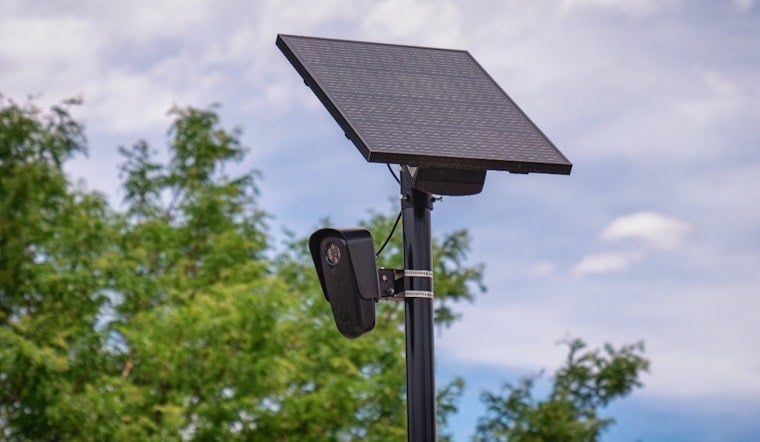
A Wichita machinist is taking the city to court over a police camera network that can turn ordinary drives into searchable movement histories. The lawsuit argues that Wichita's nearly 200 Flock Safety license-plate readers amount to unconstitutional, warrantless surveillance of people who have not been accused of anything.
Mason Grimmett filed the case Wednesday, July 29, in Sedgwick County District Court, seeking to stop the city's use of the system. According to KCUR, the network pulls in roughly 900,000 vehicle photographs each month and shares access with other law enforcement agencies.
The Lawsuit Says Wichita Built A Searchable Map Of Daily Life
In the court petition, Grimmett's attorneys say the cameras record a vehicle's plate, time and location, then use artificial intelligence to identify details including its make, color, body type, decals, roof racks and visible damage. The system can also conduct searches based on a particular time or location, allowing officers to trace where a vehicle has traveled. The filing argues that the program violates the Kansas Constitution's Bill of Rights because it operates without a warrant, probable cause, reasonable suspicion or judicial oversight.
The 2026 Kansas Statutes define an automated license plate recognition system as high-speed cameras combined with computer algorithms that convert images of license plates. According to the Kansas Legislature, Senate Bill No. 305 would require each law enforcement agency using automated license plate recognition systems to adopt and maintain a detailed, written policy.
According to the filing, Grimmett wants a court declaration that the program is unlawful and an injunction requiring Wichita to stop the allegedly unconstitutional surveillance.
Wichita Says Flock Helps Solve Crimes
The Wichita Police Department's official transparency page describes Flock as a tool for capturing “objective evidence without compromising individual privacy.” The department says it uses retroactive searches to investigate crimes and real-time alerts to identify vehicles on law-enforcement hotlists, while the city's policy is not to comment on pending litigation.
That public-safety argument is the central counterweight to Grimmett's privacy claim. Police agencies say license-plate readers can help locate stolen vehicles, missing people and suspects quickly, while critics say the same system creates a detailed record of ordinary residents' movements before police have a specific reason to investigate them.
Wichita's Camera Debate Has Been Building For Months
Grimmett had already raised concerns at a Wichita City Council meeting in June, where he used a five-minute public-comment period to question the scope of the network. He also requested records showing who accessed Flock data between January 2024 and June 2026, while specifically saying he was not seeking investigative reports or license-plate images.
Mayor Lily Wu directed Grimmett to the police department's Flock transparency portal, but the dispute did not end there. Earlier KCUR reporting documented growing resistance to automated plate readers across Kansas and Missouri, including concerns about officers using the technology to track critics, romantic partners and other people unrelated to criminal investigations.
Past Misuse Cases Are Fueling The Privacy Fight
The Wichita lawsuit arrives after several law-enforcement misuse cases in the region. A former Kechi police lieutenant was convicted of using Flock to track his estranged wife and received 18 months of probation, while former Sedgwick Police Chief Lee Nygaard resigned after reportedly using the system to monitor an ex-girlfriend and her boyfriend.
The cases give Grimmett's argument a particularly local edge. The lawsuit raises questions about whether safeguards are strong enough when access to a searchable vehicle database can reveal where people work, worship, seek medical care, meet with lawyers or attend political gatherings.
The Case Joins A Wider Fight Over Flock Safety
Wichita is not the only city facing a legal challenge over Flock's nationwide data-sharing model. A LAPD lawsuit likewise accused the technology of enabling large-scale, warrantless tracking across jurisdictions, underscoring how quickly local camera deployments have become part of a national privacy battle.
The lawsuit challenges whether Wichita's system violates the Kansas Constitution.





