

























































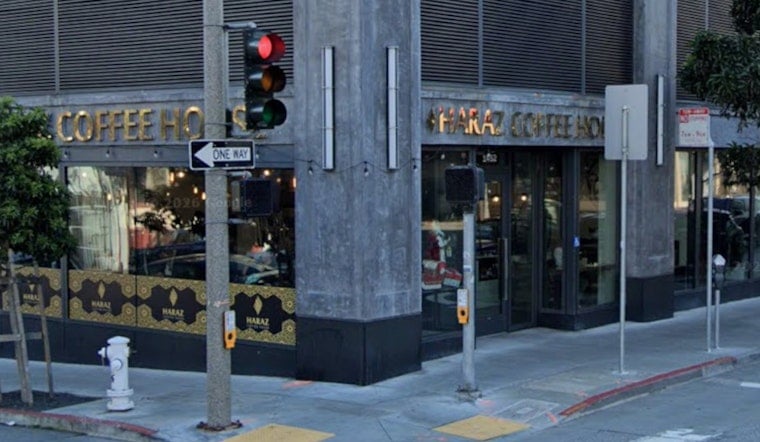
Three Yemeni-American coffee chains have opened locations across Tampa Bay over the last year and a half, and a fourth is about to plant its flag in downtown St. Petersburg. Haraz Coffee House, Arwa Yemeni Coffee and Qamaria Yemeni Coffee Co. have all landed storefronts in the region, part of a wave that industry tracker Technomic calls the fastest-growing coffee sector in the nation.
The Tampa Bay arrivals are the local face of a much bigger national story, first detailed in Tampa Bay by Axios. Technomic found that the number of Yemeni coffee shops grew 50% in 2025 alone, according to the outlet, and the firm has placed three Yemeni chains on its Future 50 growth list. Haraz, Arwa and Qamaria all trace their roots to Dearborn, Michigan, where the trend began, and where these Michigan-born brands built the franchise model now spreading south into Florida, as Daily Coffee News has reported.
Temple Terrace Becomes Ground Zero
Tampa Bay's version of the trend first took root along North 56th Street in Temple Terrace, a corridor near the University of South Florida with a dense concentration of Muslim-owned businesses. Local estimates cited by Rakwa put that share as high as 70% of businesses in the corridor, which is anchored by institutions including the Islamic Society of Tampa Bay Area. Independent shop Socotra Yemeni Coffee & Co. opened at 6860 E. Fowler Ave. in Temple Terrace in 2025, offering an on-site meeting room and weekend hours stretching to midnight, according to FOX 13 Tampa Bay.
Qamaria opened its own Temple Terrace storefront at 11301 N 56th St., building on a supply chain its founders spent eight years assembling with Yemeni farmers before processing the imported beans at the company's roastery in South Dearborn, per the Arab American News. Arwa Yemeni Coffee, a chain founded in Richardson, Texas, in 2021, followed with a soft opening on July 12 at 8633 N 56th St. in Temple Terrace, WhatNow Tampa reported. Arwa's menu includes traditional drinks like Jubani and Mofawer alongside standard espresso beverages.
Wesley Chapel And St. Pete Join the Rush
Haraz Coffee House, founded in Dearborn in 2021 by entrepreneur Hamzah Nasser, has grown into a franchise operation Crain's Detroit valued at more than $70 million by mid-2026, with more than 50 open locations and over 120 more in development nationwide, as Hoodline previously reported on Haraz's rapid rise. That expansion reached Tampa Bay with a Wesley Chapel storefront at 1722 Bruce B. Downs Blvd. inside the Publix-anchored Shoppes at New Tampa plaza, run by franchisee operators Abed Mahmoud and Naif Ahmad in a space that once housed a Pinot's Palette, according to WhatNow Tampa.
Downtown St. Petersburg is next. Mocha Bay plans to open its first St. Pete shop this fall in a 2,000-square-foot ground-floor space at 401 1st Avenue North, taking over the former Deja Vu Café storefront, per St. Pete Rising. The cafe will occupy the ground floor of the Princess Martha, a 10-story red-brick tower that opened in January 1924 as the Hotel Mason during Florida's land boom, built in six months for $1.5 million before it became a 55-and-older senior living community in 1990, according to the St. Pete Catalyst. The building sits on a downtown block alongside nightlife spots like Bar Chinchilla.
Why the Coffee Costs More — and Why It Matters
Yemen is widely considered the birthplace of coffee, and its beans remain among the most expensive in the world. Specialty Yemeni coffee retails for $25 to $80 or more per pound and can fetch $300 to over $1,800 per kilogram at international auctions, according to the Global Coffee Report, a reflection of manual harvesting on steep mountain terraces, extreme water scarcity and supply disruptions tied to the country's civil war. Yemeni coffee growers often export beans to relatives who run cafes in the U.S., supporting small growers back home even as instability complicates the trade.
Inside the cafes themselves, the draw goes beyond espresso drinks. Menus typically include iced and hot lattes, matcha, cappuccino and traditional brews like Jubani and Qishr, made from dried coffee husks and spices. Adeni chai takes its name from the Yemeni port of Aden, while Mocha itself is named for a Yemeni port city that was once a center of the global coffee trade. Pastry cases often feature cookies, cheesecake, cinnamon rolls and elaborate confections, including large fruit-shaped pastries filled with fruit, cream and cake. Many locations stay open until 10 p.m. or midnight, catering to customers seeking an alcohol-free late-night gathering spot.
Nasser, the Haraz founder, has said he expects Yemeni cafes to become as ubiquitous in the U.S. as Starbucks by 2030. Tampa Bay's rapid string of openings — from Temple Terrace's university corridor to Wesley Chapel's suburban plazas to a century-old St. Petersburg high-rise — suggests the chains are testing whether that momentum can hold well beyond the Dearborn neighborhoods where the movement began.





