

























































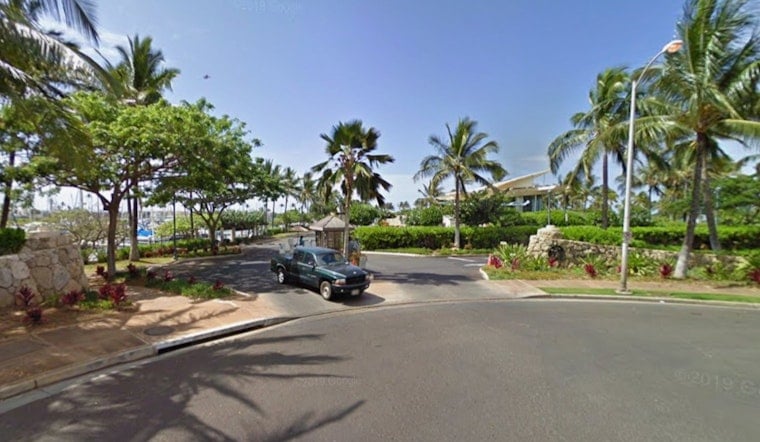
An 88-year-old man died Sunday after he was found unresponsive while snorkeling in the waters off Ko Olina Marina, part of a tour group aboard a 60-foot catamaran. Tour staff began CPR on the man while the boat headed back to harbor, and lifeguards took over resuscitation efforts once it arrived. He was later pronounced dead at a hospital after being rushed there in critical condition.
According to Hawaii News Now, the Honolulu Ocean Safety Department responded to a call about an unresponsive adult male in the waters off Ko Olina Marina. HOSD lifeguards took over CPR efforts once the vessel reached shore, and the Honolulu Fire Department assisted with those resuscitation efforts. Honolulu Emergency Medical Services then administered advanced life support onshore before transporting the man to an emergency room, where he was pronounced dead.
A Second Fatal Snorkeling Incident in Less Than Two Weeks
Sunday's death came just 11 days after a 62-year-old man was found unresponsive while snorkeling in the same waters off Ko Olina on August 26, a case Hoodline previously reported. That man was also pulled from the water and later pronounced dead at a hospital, with no signs of foul play. The back-to-back incidents mark a troubling stretch for the Ko Olina coastline, which has also seen other water emergencies in recent years, including the fatal April 2023 drowning of a 5-year-old child at Ko Olina Lagoon 4 and a November 2025 rescue that left a 23-year-old diver in critical condition, according to the same Hoodline report.
Commercial catamaran operators running snorkeling excursions out of Ko Olina Marina are required under Coast Guard and charter regulations to keep crew members trained and certified in first aid, CPR, and AED operation, per Ko Olina Ocean Adventures. That training was on display Sunday, as tour staff performed CPR during the return to harbor before lifeguards and fire crews took over.
Why Snorkeling Poses an Outsized Risk for Visitors
Snorkeling is the single leading cause of ocean drownings among non-residents visiting Hawaii, accounting for 42% of tourist ocean drowning deaths statewide, according to the Hawaii State Department of Health. Visitors are ten times more likely than local residents to drown during ocean activities, and tourists account for 53% of all ocean drowning fatalities statewide, the department notes, pointing to a lack of ocean familiarity and physical exertion as major contributing factors.
A landmark Hawaii Snorkel Safety Study published in 2022 identified a condition called Snorkel-Induced Rapid Onset Pulmonary Edema, or SI-ROPE, as a primary mechanism behind unexplained snorkeling deaths, in which fluid fills the lungs due to negative pressure created by breathing resistance through narrow snorkels. The study, led by pulmonologist Dr. Philip Foti and funded by the Hawaii Tourism Authority, has since informed safety messaging efforts across the islands. Official summaries of the study released by the Honolulu Ocean Safety Commission in December 2025 advise incoming airline passengers to consider waiting two to three days after long-distance air travel before snorkeling, citing findings that many victims suffered rapid pulmonary edema shortly after arriving on long-haul flights.
A Seasonal Pattern Along West Oahu's Coast
Between 2009 and 2018, the coastal corridor spanning from Yokohama to Ko Olina on West Oahu logged 54 ocean drownings, with 83% of those fatalities occurring between April and September, according to state health data cited in Hoodline's earlier coverage of a Kaena Point rescue attempt. Roughly two-thirds of ocean drowning deaths along Oahu's 227-mile coastline occur at unguarded beaches where permanent Ocean Safety lifeguard towers are absent, underscoring the role vessel crews and mobile lifeguard units play in offshore reef zones where fixed towers do not reach.
State health officials reported in May 2026 that public safety messaging is now being placed in hotel rooms and airport baggage claims, even as researchers continue pushing for expanded data collection on post-flight pulmonary edema in snorkelers, according to Honolulu Civil Beat. Whether state agencies or tour operators should be required to issue formal warnings about post-flight ocean entry or the breathing resistance built into snorkel equipment remains an open policy question as investigators continue to examine what role, if any, those factors played in Sunday's death.





