

























































Nearly 794 acres of former farmland at Dutch Gap Forest Preserve in Antioch are about to be torn apart and rebuilt from the ground up. Lake County Forest Preserves and the U.S. Army Corps of Engineers Chicago District are launching a long-planned, roughly $15 million effort to restore wetlands, streams, prairies and savannas across the property, undoing more than a century of agricultural drainage designed to keep the land dry and farmable.
The scale of the undertaking is striking even by Army Corps standards. According to Shaw Local, the project is designed to restore water flow and wetland habitat across the entire preserve, which includes about 534 acres of farmland with degraded soil and little remaining native habitat. Previous landowners installed underground drainage systems, dug drainage ditches and redirected a natural stream into the Dutch Gap Canal, leaving the landscape less able to hold stormwater, filter water or support native plants and wildlife, per the same report.
Environmental contractor Resource Environmental Solutions, LLC was awarded a five-year contract by the Army Corps to plant more than 190,000 native plugs, trees and shrubs across the preserve, according to Resource Environmental Solutions. Restoring the site's natural hydrology requires disabling more than 64,000 linear feet — over 12 miles — of legacy underground drain tile buried during decades of intensive agriculture, the contractor notes.
A Canal Straightened More Than a Century Ago
A Canal Straightened More Than a Century Ago The Dutch Gap Canal itself was artificially created in 1916, when North Mill Creek was straightened and deepened, marking the start of more than a century of human modification to the local watershed, according to the Daily Herald. Contractors will now reshape that canal into a more meandering stream corridor as part of the 2026 work, Shaw Local reports. Crews also plan to disconnect sections of the underground drain tile system so water can once again spread across wetlands and floodplains, a step that followed a 2024 study by a contractor hired to map water movement across the preserve and develop a plan to remove or disable the drainage network.
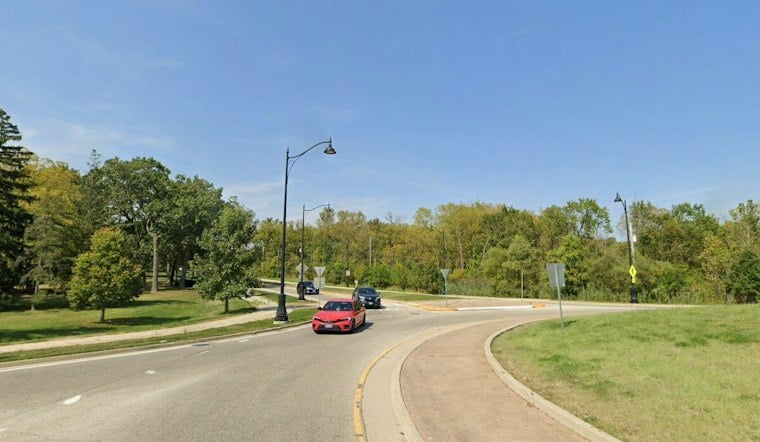
The site sits east of Route 45 and north of Route 173, wedged between Prairie Stream and Pine Dunes forest preserves as part of a larger ecological complex and greenway in north-central Lake County, per Shaw Local's reporting. Dutch Gap was first identified as a restoration priority back in 2015. Pati Vitt said opportunities to restore an entire preserve at a landscape scale are scarce, adding that the work will improve water quality, reduce flooding and create healthier habitat for wildlife, according to the outlet.
National Scale, Local Cost-Share
National Scale, Local Cost-Share The effort falls under the Army Corps' Continuing Authorities Program, Section 206, per the Lake County Forest Preserves. Army Corps officials noted that the 785-acre, $15 million project is one of the largest Continuing Authorities Program Section 206 restorations ever awarded nationwide, the Daily Herald reports.
The funding split leans heavily federal: the Army Corps will cover 65% of the project, providing $9.75 million, while Lake County Forest Preserves will contribute about $1.24 million directly and receive a $4 million credit for the value of the land, per Shaw Local. The forest preserves acquired the site through five purchases in 2010 and 2011, plus a small donation in 2025. That 2025 gift consisted of 2.5 acres given by a local family to permanently protect a nearly 300-year-old bur oak tree bordering the preserve, according to Lake County Forest Preserves. The district's acquisition history includes five purchases in 2010 and 2011.
Protecting a Rare Fen and a Threatened Fish
Beyond the drainage overhaul, the project will protect a rare one-acre remnant fen and reestablish native prairie, savanna and wetland communities across the preserve, per Shaw Local. Contractors also plan prescribed burns and removal of invasive trees and shrubs to maintain those restored habitats. The Dutch Gap Canal waterway is home to the Iowa Darter, an Illinois state-threatened fish species, according to the Illinois Department of Natural Resources.
The nearby restoration of Pine Dunes Forest Preserve on Crawford Road offers a preview of what success could look like. That project restored wetland and prairie habitats and supported rare bee species, according to the Daily Herald's coverage of the broader restoration push.
Neighbors Voice Concerns as Access Waits
The restoration will involve public spending and may require tree removal near property lines. Tree removal is often a required step in prairie and savanna restoration to clear out invasive woody species, though it frequently runs up against adjacent homeowners' preferences for how their view looks.
Contractors expect the restoration work to take three years, and for now, Dutch Gap has no parking or trails for visitors. A future trail connection is planned for the preserve, but the timing of public recreational amenities is not specified.





