

























































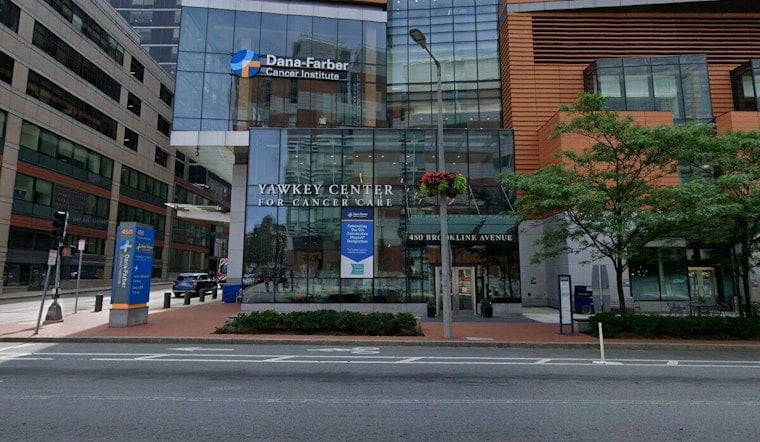
Eldon Clingan has seen the same Dana-Farber Cancer Institute specialist for more than two decades, managing prostate cancer. Now the 88-year-old retired accountant, who takes a drug costing $10,000 a month that he is expected to need for the rest of his life, must decide whether to find a new oncologist or switch insurance plans altogether. Mass General Brigham Health Plan is removing Dana-Farber from its Medicare Advantage network effective October 1.
“I feel like I'm collateral damage,” Clingan told The Boston Globe, which first reported the network change. His wife, Carol Clingan, said losing coverage for the medicine could bankrupt them, according to the same report. The couple is among roughly 1,000 MGB Medicare Advantage plan members who had or are slated to have Dana-Farber appointments this year, with about 250 currently receiving active cancer treatment there, per the Globe's reporting.
A Breakup Years in the Making
The network change is the latest fallout from a broader split between Mass General Brigham and Dana-Farber. The two institutions are undergoing a breakup of their longtime partnership, and Dana-Farber plans to build a new cancer hospital with Beth Israel Lahey Health instead. The partnership with Brigham and Women's Hospital is scheduled to end in fall 2028.
In March 2025, the Massachusetts Public Health Council approved Dana-Farber's application to build a $1.7 billion, 300-bed freestanding adult cancer hospital on Brookline Avenue, expected to open around 2031 as a standalone adult cancer hospital in the region, according to CBS News. Mass General Brigham has responded with its own buildout, announcing plans to invest $400 million in its own cancer institute and securing $865.5 million in tax-exempt bond financing through MassDevelopment in April to help fund the Ragon Building bond deal, a multi-specialty facility expanding its cancer and cardiovascular services.
A Massachusetts Public Health Council staff report dated Mar. 20, 2025, identified Dana-Farber Cancer Institute, Inc. as the applicant for a Determination of Need for the proposed project.
Mass General Brigham Health Plan is removing Dana-Farber from its Medicare Advantage network, The Globe reported.
Why Dana-Farber's Special Status Matters
Why Dana-Farber's Special Status Matters. Medicare Advantage plans can affect which providers are available to members. The network change applies to MGB's Medicare Advantage members.
The network change will affect patients fighting cancer, including older adults enrolled in Medicare Advantage. Mass General Brigham's Medicare Advantage plan has about 20,500 members.
A Narrow Window Before Open Enrollment
Affected patients can maintain in-network coverage of Dana-Farber providers for 90 days or through the end of their treatment plans, whichever comes first. Dana-Farber has offered patients access to financial counselors.
Medicare Advantage enrollees are generally 65 or older, though Medicare is also available to certain people under 65 with qualifying disabilities, and those who want to switch plans or return to Original Medicare outside a Special Enrollment Period may have to wait for the national Medicare Open Enrollment Period, per federal rules from the Centers for Medicare and Medicaid Services. Because MGB's exclusion of Dana-Farber takes effect October 1, enrollees may need to review their coverage options. Whether an enrollee qualifies for a Special Enrollment Period when a provider leaves a Medicare Advantage network midyear depends on applicable federal rules. According to the Medicare Payment Advisory Commission, a Jan. 22, 2026 proposal would replace the current Special Enrollment Period for significant changes in provider networks with a broader SEP for provider terminations.
Part of a Bigger National Retrenchment
The Boston dispute lands amid a wider national pattern. At least 28 health systems dropped or severed contracts with Medicare Advantage plans in 2026, with providers frequently citing prior authorization delays, high denial rates, and lower federal reimbursement, according to Becker's Hospital Review. Medicare Advantage covers more than half of all eligible Medicare enrollees nationwide, meaning network changes ripple widely through senior care. Such changes can require seniors to navigate different provider options and out-of-pocket structures, potentially disrupting long-standing doctor-patient relationships like the one Clingan has built over two decades.
Massachusetts has taken some steps to ease friction between insurers and cancer providers. In May, Governor Maura Healey signed regulations during an event at Dana-Farber that stripped prior authorization requirements from several routine and chronic care services and set stricter decision deadlines for insurers operating in the Commonwealth, part of a prior authorization crackdown that followed oncologists' and patients' testimony about treatment delays. The rules concern prior authorization rather than the network change now facing Clingan and hundreds of other MGB Medicare Advantage members with ties to Dana-Farber.





