

























































Several Broward County arts and culture organizations are bracing for the loss of government funding under a new Florida law restricting diversity, equity and inclusion spending, with groups like the Gay Men's Chorus of South Florida, Florida Singing Sons and Women in Music Ayo all facing ineligibility for county grants going forward. The Broward County Cultural Division has been reviewing its roster of previously funded groups to determine which ones the law affects, after issuing 167 cultural grants totaling more than $6 million, according to The Miami Herald.
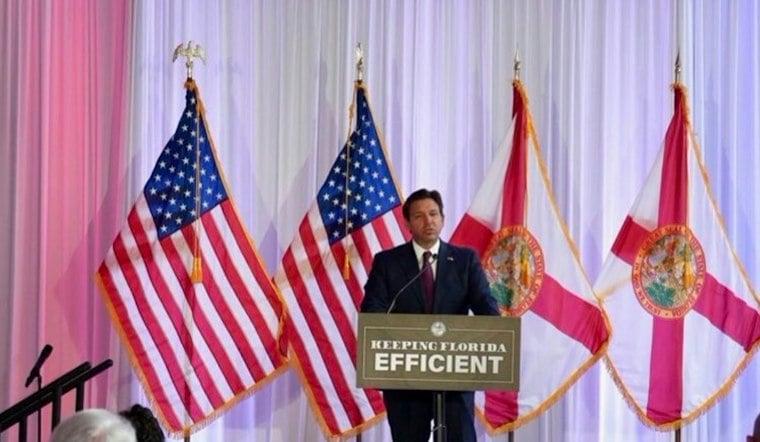
According to the Miami Herald, the Florida Department of Government Efficiency has criticized Broward County's diversity, equity and inclusion priorities in its cultural grant funding, part of a broader statewide crackdown. Florida's state law bans cities and counties from funding offices or grants related to diversity, equity and inclusion, and it defines DEI as preferential treatment based on race, sex, gender identity or sexual orientation. Governor Ron DeSantis vetoed more than $30 million in state budget grants in 2024, a move that predates the current county-level reckoning but set the stage for it.
The law, enacted as Chapter 2026-43, does not take effect until Jan. 1, 2027. Before receiving a county or municipal grant or contract, organizations will have to provide a certification under the law. The law also allows county residents to sue over alleged violations, with courts able to order relief and award damages and costs. The statute’s effective date and grant-certification requirements set a deadline for Broward’s funding changes.
The Gay Men's Chorus of South Florida, which formed in 2010 in an Oakland Park church hall and performs three mainstage concerts each year, has already lost about $90,000 in state funding two years earlier and now stands to lose about $90,000 in local funding as well, with its budget reduced by about 8% overall, as reported by The Miami Herald. The chorus will not be eligible for Broward County funds going forward, per the same Herald report. Executive director Mark Kent leads the organization as it works through the loss.
Museums and Music Groups Also Lose Ground
Island Space Caribbean Museum in Plantation, described as the first and only pan-Caribbean heritage museum in the world, will also not be eligible for Broward County funds. The museum, which offers exhibits on Usain Bolt and Bob Marley along with its Mango Festival and Rum Cake Festival programs, previously lost an Institute of Museum and Library Services African American museums grant. Executive director Calibe Thompson said county funding helped establish the museum in the first place, the outlet reports.
Broward County will not fund Island Space, the Broward County Black Chamber of Commerce or the South Florida Greek Film Festival, the Cultural Division's review found. Florida Singing Sons, which provides arts education to students in grades 2 through 12, and Women in Music Ayo will likewise not be eligible for county funding, as noted by The Miami Herald. Not every organization is walking away from Broward's cultural scene entirely, though: the Hallandale Section CID-UNESCO may still hold socials, according to the same account.
Sarasota County offers an early example of how the law is affecting arts funding elsewhere in Florida. Urbanite Theatre declined to sign a county acknowledgment tied to the new restrictions and gave up a $40,000 tourism grant administered by Sarasota County for its 2026-27 season. Thirty-three other local cultural organizations signed the acknowledgment and were slated to share $2.1 million in grants. The Sarasota dispute shows how the law’s grant conditions can force organizations to weigh public funding against their programming and values.
A Cultural Division Leader Departs Amid the Shift
Phil Dunlap, who began as director of the Broward County Cultural Division in 2019 and changed the division from a reimbursement-based funding model to a trust-based system, left the role in August 2026. Dunlap said the law contributed to his departure from Broward County before he joined Phoenix city government in Arizona, the Herald notes.
Task Force and County Plan Also Under Review
The funding fight is playing out alongside broader changes to Broward's DEI-related structures. The Racial Equity Task Force, formed in 2020 with 37 members who met every other month, held town halls and produced reports for the county commission, including a housing subcommittee focused on increasing home ownership among racial minority groups and an education subcommittee examining after-school tutoring programs. Broward County attorneys have recommended eliminating the task force, and assistant county administrators said its name and mission would not comply with the DEI ban, the Herald reports. The county commission may repeal the ordinance that established it.
The commission updated the climate change section of its comprehensive plan to remove references to initiatives supporting DEI, and the Broward County Status of Women report, which examines women's economic development, health, safety and education, may not take place after 2025, per a report from The Miami Herald. Broward County Commissioner Nan Rich said commissioners acted because of the state law, while supporters of the law say it prevents funding divisive activities under the guise of DEI. State Senator Jason Pizzo voted for the DEI funding legislation, per the same reporting.
The U.S. Tennis Association and National Women's Tennis Organization are still set to hold Women's Intersectional Team Championships in Plantation, but the championships themselves would not meet the new funding criteria.





