

























































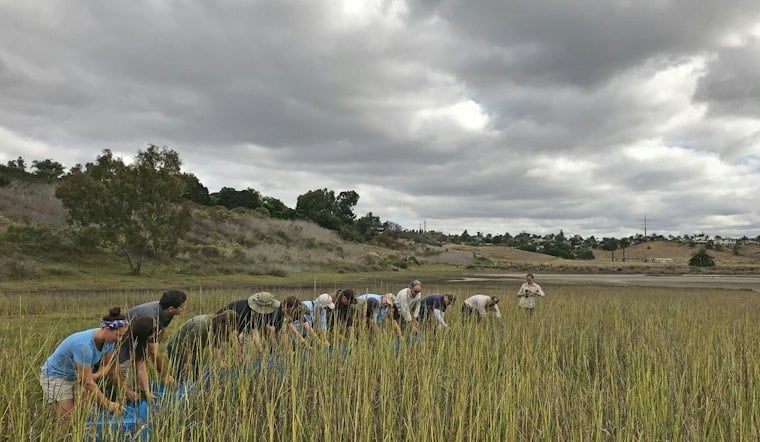
For one weekend each year, access to Batiquitos Lagoon's waters is opened to the public so people can paddle across water otherwise reserved for endangered shorebirds and sensitive marsh habitat. The Batiquitos Lagoon Foundation will host its 20th Annual Kayak Fundraiser & Cleanup Event on Saturday, October 3, and Sunday, October 4, giving Carlsbad-area residents a rare chance to explore the 610-acre tidal estuary by water while helping pull trash from the habitat along the way.
Tickets are still available, according to a news release cited by the San Diego Union-Tribune. A two-person tandem kayak costs $160, structured as a tax-deductible donation to the Batiquitos Lagoon Foundation. The event runs across four launches on Saturday and three on Sunday.
Kids as young as six are welcome to join, though children six and older must be accompanied by a parent or guardian, per the same account. Proceeds from the weekend will go toward the foundation's habitat restoration work and other ongoing projects around the reserve.
Why the Lagoon Is Normally Off-Limits
Batiquitos Lagoon is a California State Ecological Reserve, a designation it received in 1983; the lagoon also includes the Batiquitos Lagoon State Marine Conservation Area, according to the California Department of Fish and Wildlife. The 544-acre ecological reserve includes coastal salt marsh, mudflats, and riparian habitat. The lagoon's waters are normally closed to public boating to limit disturbance to nesting and feeding wildlife, making the foundation's fundraiser weekend an unusual exception on the calendar.
The lagoon's ecological stakes are considerable. It supports more than 200 bird species and at least 19 special-status wildlife species, including the endangered California least tern, the endangered light-footed Ridgway's rail, and the endangered western snowy plover, according to the San Diego Natural History Museum.
From Choked Basin to Tidal Estuary
The lagoon has undergone restoration work.
That upkeep never really stops. The 610-acre ecosystem receives freshwater runoff from a 55,000-acre drainage basin fed primarily by San Marcos Creek and Encinitas Creek, spanning portions of Carlsbad, San Marcos, and Encinitas before emptying into the Pacific under Interstate 5.
Volunteers Tackle Invasive Plants
Beyond the kayak weekend, the Batiquitos Lagoon Wetland Restoration Project targets more than 30 acres of degraded riparian and wetland habitat around the reserve, relying on community volunteers to eradicate invasive palms and eucalyptus trees and replace them with native flora, according to the Southern California Wetlands Recovery Project. Removing that non-native vegetation is meant to improve climate resilience and let native salt marsh plants migrate naturally as conditions shift.
Remaining estuaries like Batiquitos are critical targets for protection against urban encroachment and sea level rise.
Getting Involved
The Nature Center at 7380 Gabbiano Lane in Carlsbad serves as the starting point for docent-led tours along an approximately 1.6-mile north-shore public trail, offering brochures for visitors, according to the City of Carlsbad.



