

























































A Coweta County family is preparing for a toddler's high-risk cancer surgery in New York after reporting that a life-threatening tumor returned months after its initial removal. The account, shared with FOX 5 Atlanta, does not identify the child's diagnosis or explain why the operation is planned out of state.
A Tumor's Unexpected Return
The family told FOX 5 Atlanta that the tumor returned months after it was surgically removed. The family is now preparing for a more complicated procedure in New York, according to the report.
Recurrence like this is not unusual in pediatric oncology, even if it is devastating for families living through it. Roughly 41 children and adolescents ages 0 to 19 are diagnosed with cancer each day, according to the National Center for Childhood Cancer. Research published in PubMed Central discusses tumor heterogeneity and how subclonal tumor populations can re-emerge after chemotherapy and an initial resection.
Why the Family Is Looking to New York
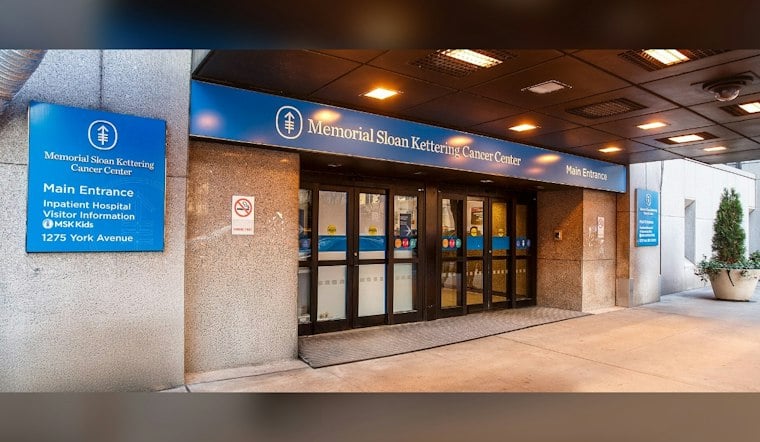
Georgia already has substantial pediatric cancer infrastructure close to home. According to Children's Healthcare of Atlanta, its Aflac Cancer and Blood Disorders Center treats more than 500 newly diagnosed pediatric cancer patients each year and offers programs focused on major types of childhood cancer. Children's Healthcare of Atlanta has also highlighted its statewide fundraising and support network through events such as the WSB Care-a-Thon. Specialized national programs, including Memorial Sloan Kettering's pediatric effort, MSK Kids, offer pediatric cancer care, research and clinical trials in New York.
Coweta County sits roughly 35 to 45 miles southwest of Atlanta, with Newnan as its county seat, and reached an estimated population of about 160,200 in 2025, according to USAFacts. It's a reminder that even families in a fast-growing metro Atlanta suburb can find themselves needing to travel to New York for surgery.
The Financial Toll of Out-of-State Care
What the Broader Data Show
National figures provide context but cannot predict the outcome for this unidentified child. According to the National Cancer Institute, an estimated 14,690 children and adolescents ages 0 to 19 would be diagnosed with cancer in 2025, while 1,650 would die of the disease. The institute also says more than 80% of children with cancer who have access to contemporary therapies are expected to survive into adulthood, though that population statistic does not predict an individual child's outcome, particularly when the diagnosis and treatment history are unknown. Families can also face employment disruption during treatment. The National Cancer Institute notes that, in one survey of cancer patients and caregivers, approximately 25% reported significant caregiver employment changes after diagnosis and 8% reported that a caregiver took at least two months of leave from work, according to its financial-toxicity guidance.
Traveling for treatment can create costs beyond medical bills, including transportation, lodging and missed work. The family's account does not detail its expenses, but caring for a child with cancer can add logistical pressure.
The story arrives amid pediatric cancer support efforts in Georgia, including work by corporate partners and healthcare institutions. The issue also highlights broader challenges in pediatric healthcare access across the state.
Local Fundraising Efforts Continue
Georgia's pediatric cancer fundraising efforts include the 26th annual WSB Care-a-Thon, which was scheduled for July 23-24, 2026, and had raised more than $36 million since 2001, according to Children's Healthcare of Atlanta. Nationally, childhood cancer remains a significant health concern, while historical advances have improved outcomes.
The family's account shared with FOX 5 Atlanta did not identify the toddler's exact diagnosis or the New York hospital performing the surgery. Those missing details limit what can be concluded about the child's treatment plan or how the case compares with other pediatric cancers.



