

























































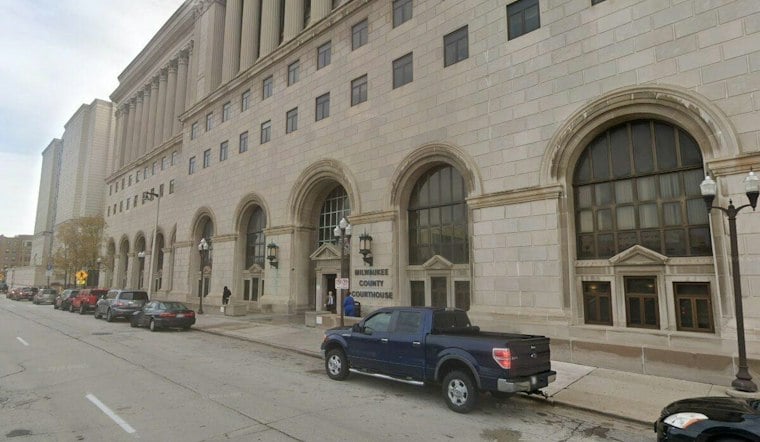
David Crowley, the Democratic candidate for Wisconsin governor, wants to build a wall between elected officials and the stock market. Speaking at a news conference in Madison on Monday, the Milwaukee County Executive unveiled a package of proposals aimed at combating corruption, including limits on stock trading by public officials and new rules to make lawmakers' public records easier for the public to access.
Crowley said people in public office should use their positions to help people rather than enrich themselves, according to the Milwaukee Journal Sentinel. The plan calls for creating what Crowley described as a firewall between elected officials and the stock market, an idea that lands as both federal and state ethics rules face fresh scrutiny.
A Wisconsin Legislature Records Exemption
The public-records piece of Crowley's plan takes aim at a quirk in Wisconsin law that has drawn criticism for years. Under current statute, state legislators can delete emails and internal records before a formal open-records request is filed, a privilege not extended to local officials or executive branch staff, according to Civic Media. Gov. Tony Evers tried to close that loophole through his 2025 state budget proposal, but the Republican-controlled Joint Finance Committee removed the measure from the final budget, the outlet reported.
Crowley's proposal would improve access to lawmakers' public records, though the specifics of how his plan would eliminate the deletion exemption were not detailed in the Journal Sentinel's report. The move fits a broader pattern of Democratic executives pushing transparency measures that have stalled in the legislature.
What Current Ethics Law Does and Doesn't Cover
Wisconsin's existing ethics code already bars public officials from using their position for private financial gain or acting on matters where they hold a personal financial stake, per the Wisconsin Ethics Commission. Crowley's firewall proposal appears designed to address those concerns, though the campaign's exact statutory language was not detailed at the press conference.
Scrutiny over individual stock trading by Wisconsin politicians intensified this year after reports surfaced that freshman U.S. Rep. Tony Wied, a Republican, conducted more than $1.3 million in individual stock trades in February alone. The Badger Project noted that federal enforcement remains toothless in such cases.
A National Push Against Congressional Stock Trades
Crowley's state-level proposal arrives alongside a growing federal effort. The U.S. House passed H.R. 7008, the Stop Insider Trading Act, on July 22 by a 232-198 vote, a measure that would prohibit members of Congress and their immediate family members from purchasing individual stocks, as Hoodline reported in its coverage of the bill's momentum.
The Political Backdrop in Madison
Crowley narrowly defeated progressive State Rep. Francesca Hong in the August 11 Democratic primary, setting up a general election matchup with Republican U.S. Rep. Tom Tiffany after Evers declined to seek a third term, according to Ballotpedia. If elected, Crowley would become Wisconsin's first Black governor, a milestone tied to his path from the State Assembly to Milwaukee County Executive, PBS News noted.
An August 12-13 Badger Battleground Poll taken right after the primaries showed Crowley with a slim 48% to 44% lead over Tiffany, but the same survey found 31% of likely voters still didn't know enough about Crowley to form an opinion, a gap Hoodline covered in its earlier poll analysis. That unfamiliarity helps explain why Crowley is moving quickly to define himself around a reform-minded ethics agenda.
Tiffany is running for governor.



