

























































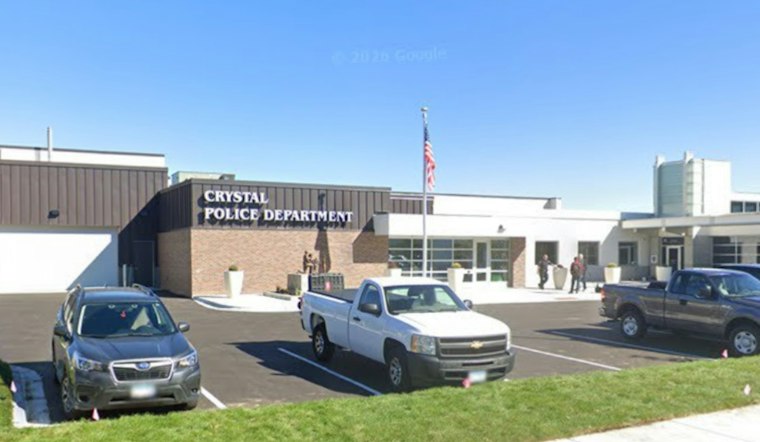
Crystal police are pulling down all six of the Flock Safety license plate cameras stationed around the city, with Chief Brian Hubbard announcing the department will completely end its involvement with the automated surveillance vendor. The cameras, which use artificial intelligence to photograph every vehicle passing by and read license plates, had drawn mounting complaints from residents over data collection and potential misconduct.
According to CBS News Minnesota, the Crystal Police Department is now working to return all six cameras to the vendor. Hubbard said Flock's use had been beneficial in solving crimes, recovering property, arresting suspects, and bringing justice to victims, even as he moved to sever the relationship. The department also plans to turn off all data sharing with other agencies during the current retention period, per that same report.
The Crystal City Council originally approved its Flock Safety contract in June 2025, funding five of the six cameras through a Minnesota auto theft grant, according to CCX Media. The cameras were installed incrementally through June 2026, just months before Hubbard's reversal.
Neighbors Took Direct Action Against the Cameras
Opposition in Crystal went well beyond public comment at council meetings. Resident Brady O'Rourke used a modified roof rake with a sign attached to physically block a 12-foot-tall Flock camera multiple times a week over the summer, as reported by NPR.
Crystal's decision follows a rapid wave of Flock contract cancellations across the Twin Cities metro, with Brooklyn Park, Columbia Heights, Duluth, and West St. Paul all pulling back in August, according to KARE 11. Sherburne County, St. Paul, St. Louis County, and Winona each said they would end their Flock contracts or opt not to replace stolen cameras, per CBS News Minnesota's reporting.
In Winona, the situation escalated further: all eight of the city's Flock cameras were cut down from highway mounting poles and stolen in August, after which the police department decided not to reinstall the network, according to WDIO. That extreme case sits alongside the broader trend documented by advocacy group DeFlock, which found that at least 100 cities nationwide had deactivated Flock cameras or canceled vendor contracts by August 2026, as the same NPR report notes.
What Minnesota Law Says About Plate Data
Under Minnesota Statute § 13.824, license plate reader data not tied to an active criminal investigation is classified as nonpublic and must be destroyed within 60 days of collection, while agencies must notify the state Bureau of Criminal Apprehension within 10 days of placing stationary readers, according to reporting from MinneapoliMedia. A state House bill introduced by Rep. Brad Tabke that would have mandated warrants for out-of-state data access and tightened retention rules deadlocked in a 7-7 party-line committee vote in March 2026, per BillTrack50, leaving city councils as the main venue for the fight over camera policy.
Golden Valley Police Department guidelines require officers who receive an ALPR match alert to obtain independent verification through state or national crime databases, such as MNJIS or NLETS, before initiating a traffic stop based on camera data alone.
Vendor Changes Failed to Stop the Cancellations
Flock Safety's CEO announced changes to the system, shortening the default data retention period from 30 days to seven and requiring case audit codes for searches, according to CBS News Minnesota. Law enforcement agencies using Flock will also have to turn on a tool intended to flag abnormal search behavior, and customers can now limit which types of offenses outside agencies can search for. Flock is also cutting down the time data is retained, though those adjustments have not been enough to stop the wave of cancellations sweeping Minnesota and beyond.
The ACLU of Minnesota has said its 2026 investigation found out-of-state and federal agencies were executing up to 300,000 monthly searches against local Minnesota ALPR databases, a volume that drove the organization to prepare comprehensive regulatory legislation for the 2027 legislative session. That inter-agency search volume has been central to the alarm fueling municipal contract terminations across the state.



