

























































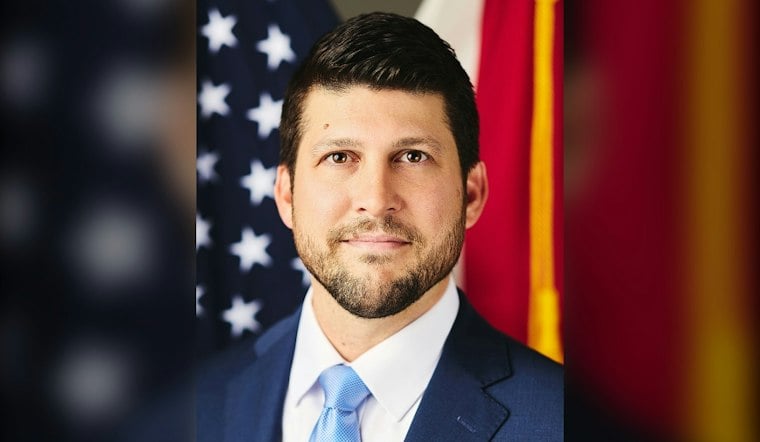
Florida Attorney General James Uthmeier stood before state officials in Pembroke Pines and pitched a bill he says would finally give prosecutors teeth against the phone and text scammers flooding residents' devices. The proposal, dubbed the Florida Anti-Spam Communications Act, would raise penalties for high-volume fraud, crack down on the phone farms behind mass robocalls, and hand the attorney general's office new investigative power. Uthmeier framed it as a direct response to scams increasingly aimed at Florida's elderly population.
According to NBC Miami, Uthmeier introduced the act at a news conference at the Southwest Focal Point Community Center in Pembroke Pines. State officials at the event discussed the rise in scams targeting elderly residents, per the seed reporting from WSVN 7News. Florida officials called for action against scammers preying on the state's elderly residents, and Uthmeier said the legislation would let officials investigate and shut down spam calls and texts targeting Floridians.
From Misdemeanor to Felony
Uthmeier said fraudulently sending unwanted text messages is often prosecuted only as a misdemeanor under current law, according to WSVN. He suggested prosecutors should be able to elevate fraudulent calls and texts to felony charges in the worst cases. The bill itself would increase penalties for high-volume or high-loss cases, including treating some offenses as an elevated felony carrying mandatory prison time, NBC Miami reports.
Uthmeier said the Florida Anti-Spam Communications Act would empower prosecutors to put the worst offenders in prison if enacted, per WSVN's reporting. The proposal would also make possessing or importing a phone farm or SIM farm a felony and classify that equipment as contraband, according to NBC Miami. Officials described phone farms and SIM farms as operations capable of blasting thousands of numbers from a single room.
New Rules for Carriers and Telemarketers
The bill would also reach into how phone and text providers operate. It would require communications providers to authenticate caller ID, respond to traceback requests, and cut off a named unlawful campaign after written notice, according to Gulf Coast News Now. Telemarketers would need to honor STOP requests within days instead of the weeks it can currently take, the outlet reports.
The same outlet notes the proposal would give the attorney general independent authority to investigate spam calls and texts, separate from other enforcement channels. It would also define impersonation, number spoofing, using an undisclosed AI voice to obtain money, and serving a fake warrant as forms of communications fraud. The Department of Legal Affairs would run a statewide campaign teaching seniors how to spot a spam call, per the same report.
The Tactics Scammers Are Using Now
Officials at the news conference detailed how these scams typically unfold. Scammers pose as jury duty warnings and active arrest warrant alerts, and Taylor Chatting said law enforcement typically does not warn people before executing an arrest warrant, according to WSVN. Scammers also impersonate IRS representatives and demand immediate payment for supposedly unpaid taxes, though Chatting said the IRS contacts taxpayers by mail and does not call, text or reach people through social media about tax issues.
Chatting said scammers are increasingly using artificial intelligence to impersonate law enforcement officials, financial professionals, romance partners, friends and family. Technical support scams involve callers posing as employees of large companies who seek remote access to a target's computer, and Chatting advised anyone getting a suspicious tech-support call to hang up and contact the company directly through its official website. The attorney general's office said scammers spoof government agencies, banks and utilities, and send fake warrants and official-looking papers by text, per NBC Miami.
A Pembroke Pines Resident's Story
The event also put a human face on the losses officials are trying to prevent. Pembroke Pines resident Ileana Ferrera was duped by a deal offering a year's worth of cable service in exchange for an upfront gift-card payment, according to WSVN. Ferrera advised others to be cautious of unusually favorable deals made over the phone, warning that scammers are using increasingly complex methods as technology advances.
How Florida Law Already Treats Spam
Florida already has some rules on the books for digital fraud, though they focus on email rather than phone and text traffic. The state's Electronic Mail Communications Act prohibits fraudulent, false or deceptive email messages and software designed to falsify email-header information, according to the Florida Attorney General's Office. Violators of that law can be sued by the attorney general or by internet service providers, and may owe actual damages or $500 for each unlawful message, plus attorney's fees and costs. The office also says it enters spam complaints into a database to monitor trends and identify potential enforcement targets.
Federal regulators have long taken a hard line on unwanted sales calls generally. The Federal Trade Commission says robocalls trying to sell something are almost always illegal, and many are probably scams, advising consumers who haven't given written permission to simply hang up. Uthmeier's proposal would create new state-level authority if enacted.
The evidence does not establish whether the Florida Anti-Spam Communications Act has been formally filed, assigned a bill number, or advanced through the Florida Legislature. For now, it remains a proposal unveiled at a news conference rather than law on the books.



