

























































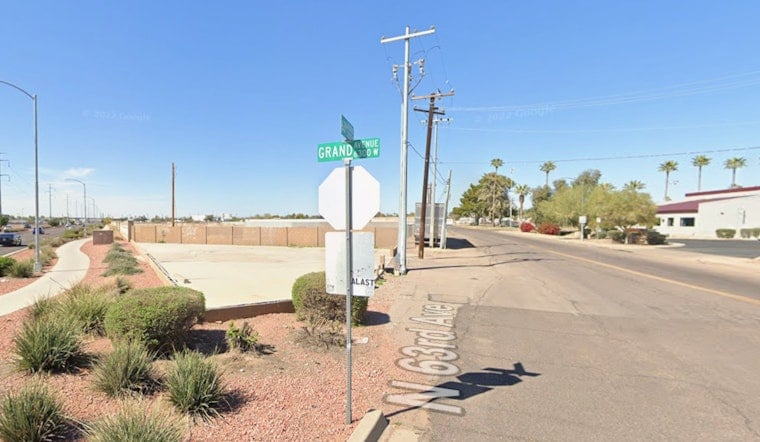
Construction crews are still finishing a 50-cottage village for homeless veterans near 63rd and Grand avenues in Glendale, but the tiny homes won't open their doors to the first residents until summer 2027. That timeline, confirmed by the Veterans Community Project, means veterans currently sleeping on the streets of the Phoenix metro area have another year or more to wait even as the buildings take shape just steps from the Sandy Coor VFW Post 1433.
The wait is frustrating for advocates who have pushed the project for years. As reported by ABC15 Arizona, Glendale Mayor Jerry Weiers said the construction pace is too slow, even though he and the Glendale City Council spent more than two years working to bring the project to the Valley. Don Nelson, who attended the project's 2025 groundbreaking, called it a step in the right direction and said it is a good beginning for helping veterans today, according to the same report.
A $14 Million Build With Public and Private Money
The Veterans Community Project carries an overall budget of roughly $14.2 million, according to ABC15's reporting and the City of Glendale, which detailed how the eight-acre site came together through $3.84 million in city land contributions, $3.21 million in Arizona state general funds, and $3 million in Maricopa County American Rescue Plan Act dollars. That public funding covers both construction and staffing costs, per the ABC15 account. Private support has filled remaining gaps, including a $250,000 gift from the Arizona Diamondbacks and Sanderson Ford and a $100,000 contribution from Mayor Weiers' foundation matched by the BHHS Legacy Foundation, according to the Scottsdale Independent's coverage of the project.
City and state leaders broke ground on the site on February 1, 2025, in a ceremony attended by roughly 300 community members, including Arizona Governor Katie Hobbs, the Scottsdale Independent reported. The village sits on city-contributed property directly adjacent to the VFW post, a placement 12News noted gives future residents access to established veteran peer support networks nearby.
Fully Furnished Cottages With Trauma-Informed Design
Once complete, the community will include 50 individual cottages plus a central village services building, according to ABC15's reporting. The cottages themselves range from 240 to 360 square feet and come fully furnished with kitchenettes and private bathrooms, built using trauma- and PTSD-informed layouts, per the Good News Network's description of the design. The Veterans Community Project can house 50 homeless veterans at a time and will open in phases, starting with a small number of veterans and scaling up as staff are hired and trained, ABC15 reported.
Rebecca Tallman, who worked at the original Veterans Community Project site in Saint Louis, said case managers will work with veterans daily to determine their next steps toward permanent housing. The program requires case managers to help veterans address the underlying causes of homelessness rather than simply providing a bed. Tallman also said homelessness can happen to anyone and is not exclusively caused by mental health or addiction issues, per ABC15's report. Veterans in the transitional housing program stay an average of 12 to 14 months, according to the same account.
Veteran Homelessness Still High Across Arizona
The need is substantial. Arizona has nearly 1,000 homeless veterans, according to figures from the U.S. Department of Housing and Urban Development cited by ABC15. Regionally, the 2026 Maricopa Association of Governments Point-in-Time count recorded 429 veterans experiencing homelessness in Maricopa County as of January 26, 2026 — a 9% decrease from the prior year, according to Maricopa County figures, even as overall regional homelessness remained high at 9,726 people.
Nationally, the Veterans Community Project model has posted strong results elsewhere. Across its network of villages, the organization maintains an 85% success rate helping homeless veterans transition into permanent housing, with residents staying an average of 335 days, according to The American Legion. The organization was founded in Kansas City in 2016 by combat veterans who said federal programs left too many gaps, and it relies primarily on private donations to operate — a deliberate choice that lets it serve any veteran regardless of discharge status, according to KMUW. Federal VA housing assistance often excludes veterans with bad conduct or less-than-honorable discharges, a gap the organization was built to fill.
Mayor's Long Push, and a Wider Push Across the Valley
Weiers has championed the project as part of his Mayor's Military Mission initiative, drawing on his background chairing the Military Affairs Committee in the Arizona House of Representatives before becoming mayor. Glendale leaders reportedly recruited the nonprofit after visiting its Kansas City headquarters in 2022, laying the groundwork for the years of fundraising and construction that followed.
The Glendale project arrives alongside other specialized investments in veteran housing across the Phoenix metro. U.S. VETS Phoenix opened a dedicated 22-bed secure wing for female veterans at its North Phoenix campus in August, a move Hoodline previously reported addresses gender-specific trauma and housing instability among the county's homeless veteran population. Organizers of the Glendale village say they will still need ongoing operational support from the community once the cottages open, since the project's budget is built to sustain construction and initial staffing rather than indefinite operations.
For now, the message from local leaders is one of impatience mixed with hope. Weiers wants the pace to pick up, and Nelson sees the effort as a beginning rather than a finish line. But for the veterans counted in this year's Point-in-Time survey, the calendar still points to summer 2027 before the first cottage door opens.





