

























































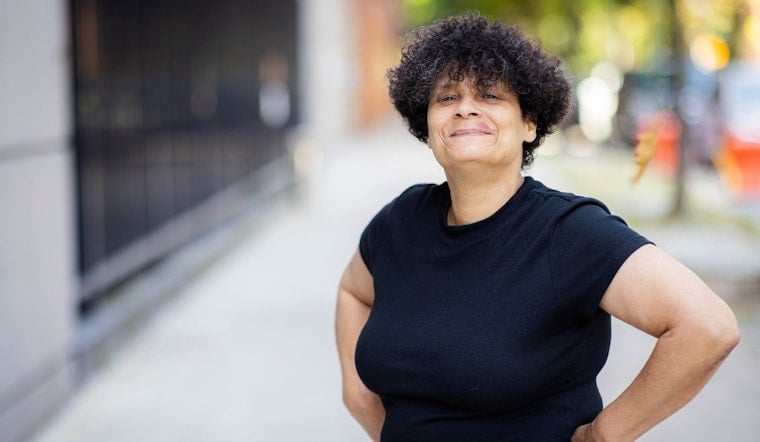
Juanita Figueroa woke up in a hospital bed after suffering a heart attack and other life-threatening complications, and in that moment, after decades of addiction, she decided she was not ready to go yet. That realization sent her to NYC Health + Hospitals/Harlem, where she sought treatment on Monday and is now sober.
Figueroa's story was shared by NYC Health + Hospitals to mark National Overdose Awareness Day, an annual observance held August 31 to remember victims and promote recovery options, according to a Facebook post from NYC Health + Hospitals. The post was retweeted by the New York City Department of Buildings, illustrating how city agencies outside the health sector are amplifying recovery narratives during the awareness push. In the post, Figueroa is quoted saying, “I'm not ready to go yet,” and she says she is sharing her story to remind others that it is never too late to ask for help.
A Safety-Net Hospital With Multilingual Recovery Services
Figueroa sought care at Harlem Hospital, which operates comprehensive chemical dependency services licensed by the New York State Office of Addiction Services and Supports, including an inpatient Medically Managed Detoxification Unit and walk-in outpatient withdrawal care offering same-day assessment, according to NYC Health + Hospitals. The hospital functions as a major public safety-net facility in Manhattan, providing both inpatient detox and outpatient addiction counseling for people who might otherwise face barriers to treatment.
The hospital's outpatient addiction program also delivers substance use disorder treatment in nine languages, including Spanish, French, Chinese, Russian, Arabic, and Haitian Creole, according to Sober Nation, a detail that speaks to the multicultural makeup of the recovery community it serves. Language access can be a significant hurdle for people seeking medical treatment for substance use disorders, and Harlem Hospital's approach is designed to reduce that barrier for New Yorkers across the city's diverse immigrant communities.
A Neighborhood Long Burdened by Overdose Deaths
East Harlem, which sits adjacent to Harlem Hospital, has consistently ranked among New York City's five highest-burden neighborhoods for fatal drug overdoses, alongside four South and Central Bronx communities, according to data cited by NYC.gov. Overdose mortality in the area has historically remained significantly higher than the overall Manhattan average, underscoring why accessible treatment options in Upper Manhattan carry particular weight for local public health.
Figueroa's recovery also arrives amid a broader citywide shift. New York City recorded 2,192 unintentional drug overdose deaths in 2024, a 28% drop from 3,056 in 2023 and the city's first major annual decline in fatal overdoses in nearly a decade, per data reported by the Summit Addiction Center. Provisional figures through the first quarter of 2025 showed 441 overdose deaths, the lowest first-quarter total since 2020, according to the same report.
Statewide and National Trends Point the Same Direction
The decline extends beyond city limits. Drug overdose deaths across New York State fell by more than 30% in 2024 to an estimated 4,567 deaths, paralleling a national reduction of nearly 27% to roughly 80,000 fatal overdoses, according to Healthbeat. Public health experts cited in that report attribute part of the downturn to expanded harm reduction tools, including naloxone and drug testing supplies.
Still, the progress has not reached everyone equally. Overdose mortality rates in New York City remain disproportionately high among Black and Latino residents, at more than double the rate of white residents, as well as among New Yorkers aged 55 to 64, according to NYC.gov. City initiatives like HealthyNYC aim to cut overall overdose deaths by 25% by 2030, though the disparities highlight how individual recovery stories like Figueroa's play out against a backdrop of uneven risk.
Hospital-Based Programs Aim to Catch Survivors Early
Beyond inpatient detox, the city has built out emergency response systems meant to reach people in the immediate aftermath of a nonfatal overdose. The New York City Department of Health operates Relay, an emergency department initiative that dispatches peer Wellness Advocates within one hour of a nonfatal overdose to offer 90 days of personalized support and harm reduction resources, as Hoodline previously reported. The program expanded to its 16th NYC hospital location at Wyckoff Heights Medical Center in Brooklyn earlier this year.
The stakes remain especially high for New Yorkers experiencing homelessness. Between July 2024 and June 2025, drug overdoses killed 251 unhoused New Yorkers, accounting for 40% of all homeless deaths in the city and remaining the leading cause of mortality for that population, though that figure represented a 28% decline in homeless drug-related deaths compared to the previous fiscal year, Hoodline has reported.
Legal Protections Encourage People to Seek Help
New York State Public Health Law Section 3309 and the state's 911 Good Samaritan Law provide the legal framework and liability protections that allow non-medical responders to administer naloxone while shielding people who call 911 during an overdose from drug possession charges. New York established its Opioid Overdose Prevention Program in 2006 to expand community access to overdose-reversing drugs, a framework that continues to underpin the city's harm reduction strategy today.
Figueroa's decision to walk into Harlem Hospital after her heart attack reflects the kind of low-barrier, same-day access that public health officials say is critical to helping people in crisis choose treatment before it is too late. Her message, shared as part of the hospital's National Overdose Awareness Day feature, was simple: it is never too late to ask for help.





