

























































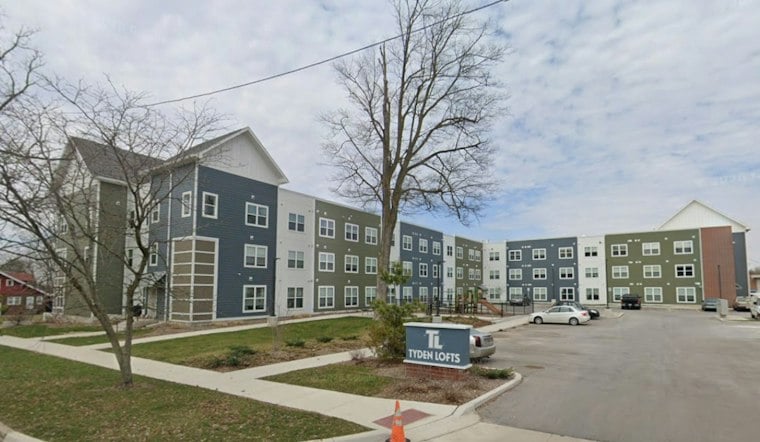
A person isolated at Corewell Health Pennock Hospital in Hastings, Michigan, told officials they had personally manufactured a suspected batch of ricin inside their own apartment at the Tyden Lofts complex, triggering a sprawling hazardous materials response that has displaced roughly 145 residents and drawn in the FBI. The individual walked into the hospital's emergency department claiming to have made the toxin at home, according to the Barry-Eaton District Health Department.
That detail, reported by WWMT, helps explain why emergency crews moved to contain contamination at both the patient's apartment and the hospital's emergency room simultaneously. Initial testing indicated the substance was ricin, according to CBS News Detroit, though officials have stressed that additional testing will confirm those preliminary results. The FBI has since transferred the recovered chemical samples to the federal Laboratory Response Network for official confirmatory testing following the initial presumptive field tests, according to the Hastings City Police Department.
Evacuation Empties Downtown Complex
Emergency response teams evacuated roughly 145 residents from Tyden Lofts, according to the same WWMT report, relocating displaced families to a shelter the American Red Cross established at the Barry Community Enrichment Center. Tyden Lofts is a 60-unit workforce housing complex in downtown Hastings, created through a municipal land sale agreement approved by the Hastings City Council in 2022. Apartment residents were evacuated from the complex as part of the broader response, per CBS Detroit's reporting, which also noted that the FBI Detroit Field Office is investigating the suspected exposure alongside the health department, Barry County Emergency Management Department, Michigan State Police, Corewell Health, and the American Red Cross.
Before anyone can return home, Barry-Eaton District Health Department Public Information Officer Emily Smale confirmed that a formal chemical decontamination process will be required, according to WOOD Radio. That mandatory protocol explains why evacuees now face an extended displacement rather than a quick return, and no timeline for completing the decontamination has been made public.
What Ricin Does Inside the Body
Ricin is a naturally occurring poison derived from castor plant beans or oil, and it is harmful if swallowed, injected, or breathed in, per CBS Detroit's reporting on the incident. People can be exposed through direct contact with someone carrying the toxin on their body or clothes, or through powder released into the air, the outlet notes. Symptoms of ricin poisoning may occur four to 24 hours after exposure and can include difficulty breathing, fever, cough, nausea, chest tightness, heavy sweating, fluid buildup in the lungs, blue skin discoloration, low blood pressure, and respiratory failure.
The biological mechanism behind that danger is severe: ricin is a ribosome-inactivating toxin that permanently halts cellular protein synthesis, causing irreversible cell death within four hours of systemic absorption, according to the Johns Hopkins Center for Health Security. Inhalation is considered the most lethal exposure pathway, with an estimated human lethal dose of just 5 to 10 micrograms per kilogram of body weight, per the National Institutes of Health's StatPearls resource. That potency helps explain why suspected airborne contamination can prompt a full building evacuation rather than a more limited response.
No Antidote, Only Supportive Care
There is no regulatory-approved antidote or vaccine for human ricin exposure, requiring medical teams to focus exclusively on supportive care such as respiratory support and fluid management, WOOD Radio reports. That reality underscores why hospital personnel responded with strict containment and isolation protocols once the suspected exposure was identified. Health care operations otherwise remain available at Corewell Health Pennock Hospital, and patient care continues at the facility, according to CBS Detroit.
Corewell Health, which operates Pennock Hospital in Hastings, is Michigan's largest healthcare system, formed through the merger of Spectrum Health and Beaumont Health. Hoodline has previously covered the health system's expanding footprint, including its 84-bed rehab hospital plans near a Troy emergency room, per Hoodline.
Officials Say No Broader Threat
Health officials said the public does not face a threat from the incident, according to CBS Detroit's reporting, even as the multi-agency investigation continues. Jennifer Runyan said response efforts need time and space to safely collect evidence, evaluate the material, and determine what occurred. She added that the safety of communities remains the highest priority for those involved in the response.
One person came to the hospital and was isolated there, but the individual's current medical condition has not been disclosed. Federal law under 18 U.S. Code § 175 penalizes the unauthorized production or possession of biological toxins without a peaceful purpose with up to 10 years in prison, with penalties escalating to life imprisonment if the toxin was manufactured for use as a weapon, according to the Federal Register. Whether federal charges will ultimately be filed remains an open question as the FBI's laboratory testing proceeds.





