

























































Dozens of Indiana public school superintendents say their districts will cut teaching and support staff in the coming years to cope with the financial fallout of a sweeping property tax overhaul. Half of the districts that responded to a new statewide survey have already cut support staff, and nearly all either are eliminating teaching positions or considering it.
A Statewide Survey Paints a Grim Picture
The Indiana Coalition for Public Education sent its survey to 290 superintendents across the state in August and received 144 responses, according to Indiana Capital Chronicle, which was republished by WTHR. Nearly all of those respondents said they anticipate negative financial impacts from Senate Enrolled Act 1, the law that established a series of major property tax reforms now rippling through district budgets.
The numbers behind that anxiety are stark. Half of respondents said they had already cut support staff, while another 16% said they would do so soon and 30% said they were considering the same move. Among responding superintendents, 46% said their districts were already eliminating some teaching roles; 93% represented districts that were already eliminating, planning or considering teaching-role cuts.
Rural Districts Bear the Brunt
Jim May, describing the findings as more disheartening than surprising, said many schools have already reduced both support and teaching staff. “We're seeing cuts to services. We're seeing a lot of rural corporations saying things like classroom sizes are growing,” May said, per the same report. Rural superintendents in particular said they worry lawmakers are pressuring them to consolidate or close schools, and survey data show rural districts were more likely than their urban and suburban counterparts to cut staff rather than pursue a referendum.
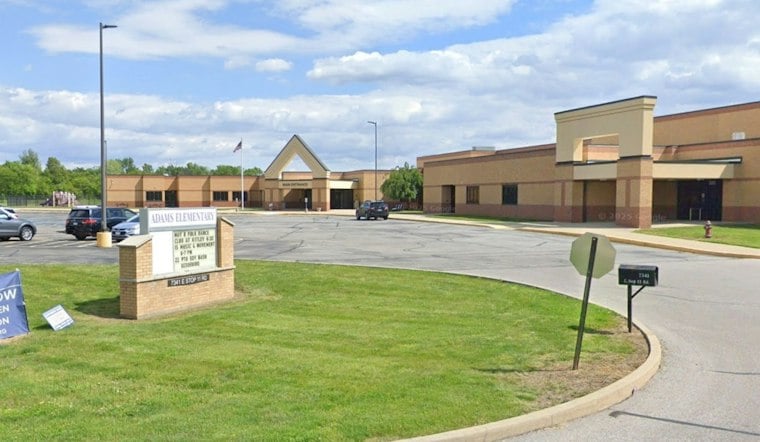
South Adams Community Schools cut two bus routes, five instructional assistants and two custodians. The district's latest transfer data showed 120 students leaving for other schools while just 97 transferred in.
What Districts Say They'd Need to Stay Afloat
To maintain expected service levels, Indiana public schools would need one-time funding increases ranging from 1% to 25%, plus an average ongoing increase of about 6%, according to survey respondents. Districts also reported turning to new general obligation bonds in nearly 40% of cases, and many are weighing delayed maintenance, reduced staff raises, transportation cuts, and reductions to electives, field trips or consolidation as ways to close the gap.
Referendums, the traditional tool for districts seeking more local revenue, have also fallen short of expectations this year. About 39% of respondents cited a lack of community support as their reason for not pursuing one, and Indiana districts cannot seek a fresh referendum until 2028. Ninety percent of urban districts and 84.8% of suburban districts said they were considering or pursuing operating referendums, a pattern the Capital Chronicle found in an earlier report on the reforms.
Consolidation Talk Spreads to Elkhart
The financial pressure has already pushed at least one large district toward structural change. Elkhart Community Schools, built to hold more than 17,000 students but currently enrolling about 10,000, is weighing the consolidation of classrooms and buildings amid the expected financial fallout from Senate Enrolled Act 1, according to WNDU. Only 58% of the district's elementary classrooms are currently in use. In October 2025, Superintendent Larry Huff said Elkhart was not then considering layoffs, though the consolidation discussions underscore how far districts are willing to go to cut costs.
School Choice Adds Another Layer of Pressure
Superintendents surveyed also raised concerns about universal school choice and how much funding the General Assembly will ultimately steer toward public schools, noting that public budgets are affected by state funding for voucher, charter-school and statewide online-school programs. Indiana's private school vouchers became available to all Hoosier families regardless of income for the first time in 2026. Statewide, voucher participation reached 80,548 students in the 2025-26 school year, with spending totaling roughly $548 million, according to WFYI. Traditional public schools still enrolled 85% of Indiana students statewide that year, compared with 5% for public charter schools and roughly 9% for non-public schools.
One anonymous superintendent told researchers that funding is “bleeding small schools dry,” and said their district may soon have no choice but to run a referendum because of inadequate financial support. That same superintendent reported that 51% of their district's students do not have English as their native language, and argued that Indiana is now effectively a 100% school choice state. The superintendent recommended that private schools accepting publicly funded vouchers face accountability measures similar to public schools, and suggested that laws applying to public education should also apply to other school systems accepting state dollars, adding that prioritizing private education for wealthy families was not a wise financial decision.
Districts Get Creative to Cut Costs
One Indiana district was advised to eliminate $2.5 million from its budget, illustrating the scale of the cuts some school leaders are confronting. In response, districts statewide have turned to unconventional cost-saving and revenue-generating measures, including prairie grass planting, removing televisions and launching a student-run business. Even so, one superintendent raised the possibility that their district may not be able to sustain student internships, career pathways and dual-credit offerings if the financial pressure continues.
Separate estimates from the Indiana Coalition for Public Education indicate the scale of the losses ahead: public schools statewide are projected to lose $744.4 million in total revenue over three years starting in 2026 because of the property tax cuts, with the steepest single-year hit, $336 million, expected in 2028, according to the coalition. Those figures, paired with the survey responses, suggest the cuts superintendents are already describing may be just the beginning.





