

























































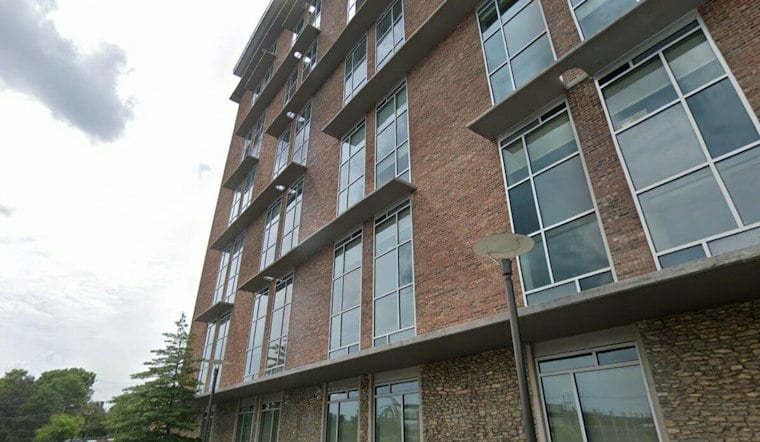
Indianapolis will host its first PRISM Initiative Summit on October 9, a full-day gathering built specifically to support Black and Brown mental health clinicians who are navigating burnout, workforce shortages, and the added weight of serving communities long underserved by the system. The event, organized by the Center for Praxis, will bring together working clinicians, private practice owners, and students at the Ivy Tech Community College Culinary and Conference Center.
According to WISH-TV, the summit will address both recruiting and retaining clinicians of color, along with helping mental health professionals manage burnout. Licensed social worker Taquasha Manns, owner of Renewed Hope Therapy Services, told the station that self-care is especially important for clinicians who spend their careers helping others. Research cited by the organization found that 93% of behavioral health workers report experiencing burnout, a figure that underscores why the summit's organizers built rest and recharging into the day's agenda alongside professional development.
A Day of Workshops, Networking and Credentialing
Attendees can expect training in evidence-based treatment models, clinical innovation workshops, and business development resources aimed at clinicians who want to build or expand a private practice. Dr. Karlin J. Tichenor, senior partner and vice president of Family Links, said business development is important for mental health professionals hoping to grow their own practices, per the station's report. The summit also includes networking opportunities for students interested in mental health careers, part of a broader PRISM Initiative pipeline that introduces students to the field as early as eighth grade.
Organizers are aiming to draw 200 clinicians from across the mental and behavioral health fields, and eligible attendees can earn up to 6 Continuing Education Units through a partnership with the Indiana University School of Social Work, according to the Center for Praxis. Mental health professionals and students interested in attending can register by contacting the Center for Praxis directly, which shares updates on LinkedIn, Instagram and Facebook under the handle @centerforpraxis.
Manns and Tichenor on Burnout and Growth
Manns said spaces where clinicians of color can connect, recharge and gain new resources can help them continue serving their communities, adding that the summit can help clinicians reset, reevaluate and return with more skills and resources, the same account notes. Clinicians of color often face additional challenges when serving communities affected by systemic barriers, a dynamic that organizers say makes dedicated spaces like the PRISM Summit especially necessary rather than a luxury add-on to standard professional development.
Why Indiana's Shortage Makes This Urgent
The summit lands against a stark backdrop: federal health data as of 2024 designated all 92 counties in Indiana as mental health workforce shortage areas, and researchers estimated that 345,000 Indiana adults needing mental health care receive none, according to WFYI. An advocacy report released in March found Indiana is meeting only 32% of its total mental health workforce needs, a gap driven partly by a 20% pay disparity between psychiatrists and physical health clinicians, as reported by WIBC.
In Marion County specifically, research cited by state medical leaders estimated that 66% of residents suffering from serious mental illness did not receive treatment, leaving nearly 26,000 people in the Indianapolis area without care, according to the Indiana State Medical Association. Statewide, a survey by the Indiana Hospital Association found 64% of Indiana healthcare workers experienced at least one symptom of burnout, such as emotional exhaustion or detachment, in 2023.
The Diversity Gap Behind the Push
National data help explain why organizers zeroed in on clinicians of color. A report using American Psychological Association figures found that 80.85% of U.S. psychologists were white in 2021, while Black or African American professionals made up just 5.08% of the workforce, per Psychiatric Times. Historical re-licensure survey data collected by Indiana University researchers showed the state's own licensed mental health workforce was 89.8% white, with only 3.4% identifying as Hispanic or Latino.
State advocates say the stakes extend well beyond individual clinics. Untreated mental illness costs the Indiana economy an estimated $4.2 billion per year in direct healthcare expenditures, lost workplace productivity, and public system strains, according to the Indiana Mental Health Roundtable. Meanwhile, demand for the field keeps climbing: employment for substance abuse, behavioral disorder, and mental health counselors is projected to grow 18% nationally from 2025 to 2035, per the U.S. Bureau of Labor Statistics — growth that will be hard to meet without addressing who enters, and stays in, the profession.




