

























































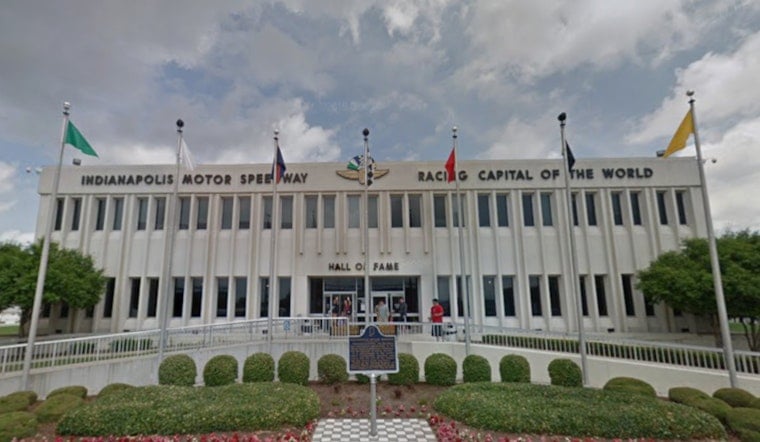
Teenagers with a learner's permit or probationary license will get a rare shot at practicing skid recovery, emergency braking and distracted-driving scenarios on the grounds of the Indianapolis Motor Speedway next Saturday, September 12, from 9 a.m. to 3 p.m. The free event, called Rule the Road Traffic Safety Day, is open to the public and organized by the Indiana Criminal Justice Institute at 4790 W 16th St.
According to the Marion County Sheriff's Office, the day is built around eight hands-on stations, including a controlled braking course, an evasive maneuvering course, a blind spot recognition station, a seat belt convincer, an impaired driving course, a distracted driving simulation, a mock traffic stop, and parallel parking practice. The driving portions require participants to bring their own vehicle and hold a valid permit or license, per the sheriff's office post. Beyond the driving track, families can stop by a certified child passenger safety clinic where technicians check car seat installations, fit, and recall statuses, according to IN.gov.
The event isn't just about cones and brake pedals — IndyCar drivers Tony Kanaan and Conor Daly are scheduled to sign autographs all day, joined by Felix Rosenqvist, Ed Carpenter, Sting Ray Robb, and Christian Lundgaard, according to Wandering Westfield. Teens who take part in the driving activities are also eligible for a free safety gift courtesy of event partner AAA, the same source notes.
Why the Speedway Is Hosting Emergency Driving Drills
The program, known statewide as Rule the Road, is designed specifically for drivers ages 15 to 18 who are preparing for or have recently earned a license, and it's taught by certified emergency vehicle operators and law enforcement officers. Standard driver education courses rarely offer this kind of behind-the-wheel hazard simulation with emergency responders, according to IN.gov. The September 12 stop at the Speedway caps off a string of regional clinics the Indiana Criminal Justice Institute held throughout 2026 in Fort Wayne, Evansville, Muncie, Lafayette, and Crown Point, as documented by the Allen County Sheriff's Department on Facebook.
Keeping the training free is possible because of grant funding from State Farm Insurance to the Indiana Criminal Justice Institute, which covers the costs of the hands-on clinics, per IN.gov. The event's slogan, Drive Safe. Drive Smart. Rule the Road., appears throughout its promotional materials, and more information is available at RuleTheRoadIndiana.com.
The Numbers Behind Indiana's Teen Driving Laws
Motor vehicle crashes are the leading cause of death among American teenagers, and having just one peer passenger in the car doubles a teen driver's risk of being involved in a fatal crash, according to Indiana Criminal Justice Institute safety data cited by IN.gov. Nationally, drivers ages 16 to 19 are nearly three times more likely to be involved in a fatal crash per mile driven than drivers 20 and older, per the Centers for Disease Control and Prevention.
Those statistics sit behind Indiana's Graduated Driver Licensing framework, which allows teens enrolled in an approved driver education course to obtain a learner's permit at age 15, or at 16 without driver's ed, but requires 50 supervised driving hours — including 10 at night — before they can apply for a license, according to usdriving.net. Once licensed, drivers under 21 are issued a probationary license that bars any telecommunication device use behind the wheel, except for 911 calls, and restricts nighttime driving and peer passengers for the first 180 days, as reported by WTHR-TV. Indiana is among a small number of states where those probationary rules stretch to age 21 rather than ending at 18, the station notes.
Organizers are framing next Saturday's event at the Speedway as the practical complement to those legal requirements — a chance for teens to rehearse the kinds of split-second decisions that written driver's ed rarely simulates, under direct supervision from law enforcement and certified instructors, before they're navigating those risks alone.




