

























































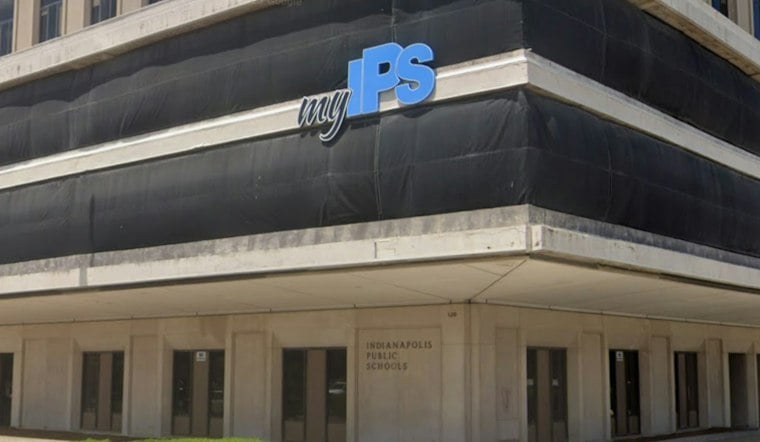
Indianapolis Public Schools is walking away from the shared enrollment platform it has used alongside charter schools for roughly a decade, shifting instead to PowerSchool starting with the 2027–28 enrollment cycle. The move means families across Marion County will soon have to juggle two separate systems just to compare their public school options.
District spokesman Marc Ransford confirmed that IPS' contract with Enroll Indy expired in June 2026, according to Chalkbeat. PowerSchool is already familiar to IPS families since the district uses it for other functions, and the switch will fold applications, lottery placement and registration into that single existing tool. As IndyStar reports, IPS Superintendent Aleesia Johnson has framed the withdrawal as a way to redirect money back into classrooms.
The reaction from charter advocates has been sharp. The Enroll Indy Board of Directors said the departure creates confusion and instability for families, and groups including The Mind Trust and the Indiana Charter Innovation Center argued the move could run counter to the state's own push for unified enrollment, per the same Chalkbeat report. Enroll Indy was built to spare parents exactly this kind of headache — the platform's OneMatch common application launched for the 2018–19 school year specifically to eliminate separate admissions lotteries across the county, according to WFYI. It traces back to 2015, when former IPS board member Caitlin Hannon established it through a Mind Trust fellowship.
Two Systems, One Deadline Season
Come November 2026, families hoping to weigh both district and charter options will need to complete two separate application systems rather than one, the Chalkbeat report notes — a change that will touch non-charter Innovation Network schools in addition to direct IPS schools. That's a reversal of the entire premise Enroll Indy was built on: eliminating the need for parents to track separate applications and deadlines across school types.
IPS frames the switch as a practical cost-saving step that leans on software the district already pays for, while charter advocates see it as a step backward that fragments the enrollment process for parents, per Chalkbeat's account of the dispute. Neither side disputes the timeline — the disagreement is over what it means for families trying to navigate school choice starting this fall.
A District Already Under Financial Strain
The Enroll Indy exit lands at a rough moment for IPS. The district's enrollment fell 6% to 19,774 students, prompting Superintendent Johnson to announce $17 million in central office budget cuts and 87 position eliminations back in May 2026, as Hoodline previously reported. Excess capacity has been a persistent problem districtwide — Enroll Indy data from the 2024–25 school year showed roughly 9,000 vacant public school seats across Indianapolis, with nearly 7,000 of those empty seats sitting inside IPS-operated buildings, according to Chalkbeat's earlier reporting.
That capacity crunch has already reshaped IPS' physical footprint. Under Indiana's facility-sharing statute, districts must offer closed or underused buildings to charter operators for $1 before selling them on the open market, a rule that led IPS to transfer Raymond Brandes School 65 to Dynamic Minds Academy in March 2026, as Hoodline detailed in coverage of the real estate shakeup.
A Tax Vote and a New Oversight Body Raise the Stakes
The enrollment split also arrives just weeks before Marion County voters decide a high-stakes referendum. In June 2026, the newly formed Indianapolis Public Education Corporation voted to place a 37.2-cent property tax referendum on the November 2026 ballot, aiming to raise $90 million annually — with state law requiring nearly half of that revenue to be shared with charter schools. IPEC itself is a product of state intervention: created under House Enrolled Act 1423, the mayor-appointed corporation hired Karega Rausch as its first executive director in August 2026 at a $285,000 salary to oversee shared facilities, transportation and property tax distributions, according to WFYI's reporting on the new governance structure.
Indiana lawmakers have also reshaped the politics surrounding these decisions. Senate Bill 287 allowed IPS school board candidates to list party affiliations on the ballot for the first time in 2026, adding a partisan layer to races that were historically nonpartisan, Hoodline reported in its coverage of a write-in candidate fight. Against that backdrop, the Enroll Indy split adds one more front in the broader rivalry between district and charter interests over enrollment, facilities and now tax dollars across Marion County.





