

























































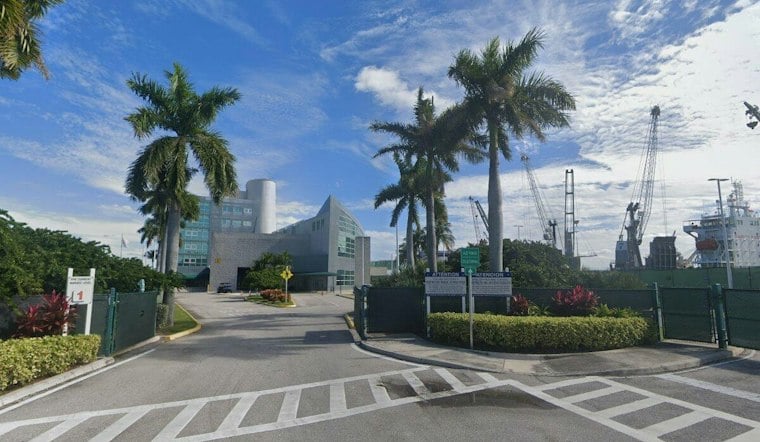
A Cold War-era bunker built to shield President John F. Kennedy from a nuclear attack has sat sealed off on Peanut Island since 2017, and Palm Beach County is still working toward the millions of dollars it would take to bring the underground shelter back to life. The bunker, tucked near Riviera Beach, was built in 1961 to protect Kennedy during stays at his family's Palm Beach retreat, known as the Winter White House, according to WLRN Public Media.
Palm Beach County commissioners took a major step toward saving the site back in January 2022, when they approved a 30-year lease with the Port of Palm Beach covering the bunker and other historic properties on the island, according to the Palm Beach Post. The county's cost for that lease: just $10 a year. In exchange, the county took charge of managing, maintaining and eventually renovating not just the Kennedy bunker but also the former Coast Guard station and its boathouse on the island, the newspaper reported.
A Tourist Draw That Went Dark
The bunker wasn't always off-limits. It became a tourist attraction in 1999 under a small operator called the Palm Beach Maritime Museum, according to CBS12. That arrangement ended in 2017 when the museum's lease expired and the company folded, and the Port of Palm Beach took the property back, the station reported. The bunker closed its doors for good that October, according to ABC 3340, and it has remained sealed off from the public since, per WLRN.
Before it could reopen under a new lease, the county needed to complete a safety assessment of the area, according to WFLX. The Port of Palm Beach had already sunk $20,000 into a feasibility study for the museum and bunker facilities, the station noted.
The Price Tag of Bringing It Back
Estimates of what full restoration will cost have varied. Port of Palm Beach Commissioner Joseph Anderson put the number at about $5 million or more to get the bunker operable again, per CBS12's reporting. A separate estimate cited by the Palm Beach Civic Association put restoration of the bunker, buildings and docks at around $6 million and said the work should take at least two years to complete.
County parks director Eric Call said a significant amount of work, plus permitting and fundraising, would be needed before the facilities could be restored, the Palm Beach Post reported. Some funding has already started trickling in: State Rep. Mike Caruso requested $1.5 million from the legislature for the project, and county commissioners separately approved $100,000 in park impact fee dollars to cover design and engineering work, according to the same report. Call said at the time that he expected it would be several years before the bunker was accessible to the public again.
What's Inside the Shelter
The shelter itself includes decontamination and radio rooms and is reached through a reinforced tunnel, according to the Palm Beach Civic Association. It's classified as a nuclear fallout shelter, per WLRN, and the surrounding Winter White House grounds once included secure communications infrastructure and Secret Service facilities, the outlet reported. The bunker's interior has also been preserved digitally through a 3D rendering that's available free online, according to ABC 3340.
Under the 2022 lease, Palm Beach County planned to manage the site as part of a passive historical park run through its Parks and Recreation Department, the Civic Association reported. Once restored, county rules were expected to allow up to four special events per year at the site, according to the same account. Potential future operators would likely take on the Coast Guard station and its boathouse bundled together with the bunker itself, CBS12 reported.
Palm Beach County has said it wants to fully restore the bunker, according to WLRN, and broader Peanut Island plans call for upgrades to the old Coast Guard station, new docks and shoreline protection. Those improvements are tied to a parks bond that includes more than a dozen projects, per WLRN's reporting. The bunker attraction is currently closed for restoration, according to The Clio, and it remains unclear when — or whether — visitors will be able to walk through the underground shelter that once stood ready to protect a sitting president.


