

























































More than a decade ago, retired U.S. Army Sgt. 1st Class Vincent Morales drove his ATV off a cliff on Kansas City's Westside in a suicide attempt, then spent 10 hours at the crash site before anyone found him and got him to a hospital. Today, the combat veteran who survived multiple tours in Iraq and Afghanistan is using that near-death experience to push open conversations about mental health that he says are long overdue in his own community.
Morales, who struggled with PTSD, depression and isolation after leaving active duty, has said returning to civilian life felt disorienting from the start. As reported by KSHB 41, he found himself self-medicating to cope with physical and mental pain, and he has spoken about feeling out of place after coming home to Kansas City, where relationships eroded and the isolation deepened. He carries combat memories that still weigh on him, including watching a friend die in his arms during deployment.
From Crisis to Co-Founding a Veteran Support Network
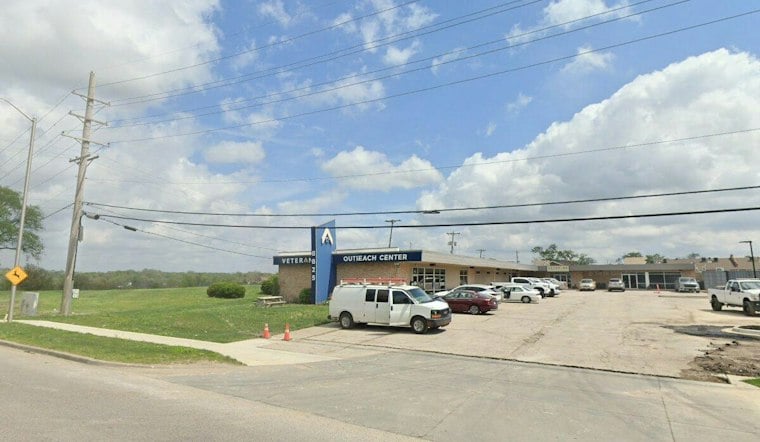
Morales' path back from that low point led him to help build one of Kansas City's most visible veteran support institutions. In 2016, he co-founded the Veterans Community Project alongside fellow combat veterans Bryan Meyer, Chris Stout and Brandonn Mixon, creating tiny home villages for veterans experiencing homelessness, according to DC Journal. The organization intentionally operates without federal funding so it can serve any veteran regardless of discharge status. Earlier this month, VCP expanded its South Kansas City campus with a $2 million Welcome Center on Troost Avenue, a centralized hub for case management and benefits navigation that sits across from the flagship village of 49 tiny homes, as Hoodline reported in its coverage of the new welcome center.
Morales' book is titled El Corazon De Un Oso: A Bear's Heart. He says he found new purpose in raising mental-health awareness and preventing suicide, and per KSHB 41, he hopes his experience will spark broader mental-health conversations, calling mental health “a byproduct of the journey.”
Veteran Mental Health Support
Morales isn't working alone. Justin Hoover, executive director of the Kansas City nonprofit The Battle Within, has said service-related trauma often follows veterans and first responders home long after deployment ends.
Extending the Conversation to Latino Families
Morales is also focused on Kansas City's Westside community and on normalizing mental-health conversations among Latino families, particularly around the strain of deportation and political uncertainty. He has said, per Morales, that 600,000 people are being deported under the current administration, and he wants to normalize conversations about the effects that has on Latino families. He points out that Latinos contribute $4.4 trillion to the U.S. gross domestic product, framing the community's economic weight alongside its unmet mental-health needs.
Sandy Curry, a clinical social worker for the Fuerza program at the Guadalupe Centers, says mental-health discussion in the Latino community is overdue. Fuerza treats vulnerable children and their families. Curry has said Latino children experience insecurity about their identity and future, compounded by language barriers, political uncertainty, and family and financial stressors.
The Numbers Behind the Push
Federal data adds weight to the local push. Hispanic and Latino adults in the United States were 28% less likely than the overall adult population to receive mental health treatment in 2024, according to the HHS Office of Minority Health.
Morales says he plans to keep having what he calls courageous conversations about mental health across his neighborhood, his community and the country. Anyone struggling with mental health can call the 988 Suicide and Crisis Lifeline. Anyone in immediate danger should call 911.



